

Ever wondered where those vibrant and nutritious beets on your plate come from? Do you find yourself curious about the journey of these earthy delights before they reach your kitchen? Picture this: You’re strolling through a farmer’s market, mesmerized by the array of colorful produce, and you stop at a stand overflowing with ruby-red beets. But have you ever pondered where these humble root vegetables actually grow? In this article, you’ll uncover the fascinating world of beet cultivation and discover the diverse regions where these versatile veggies thrive. Get ready to deepen your connection with this vegetable powerhouse and gain insights that will enrich your appreciation for these crimson gems.
The Origin of Beets
Beets have a fascinating history and have been cultivated for centuries. Here are some key points about their origins:
- Beets have a long history, believed to have originated in Mediterranean regions.
- Ancient civilizations, including the Romans, Egyptians, and Greeks, utilized beets for both culinary and medicinal purposes.
- Beets later spread to Europe and Asia, becoming a staple in various cuisines.
Beets are versatile root vegetables that thrive in temperate climates. Let’s explore where they grow today.
Climate and Soil Requirements
When considering where beets grow best, it’s essential to understand their Climate and Soil Requirements. Beets prefer cool weather with temperatures consistently between 50-75°F for optimal growth. They thrive in loose, well-draining soil with a pH level of 6.0-7.0.
- Climate:
- Beets are cold-hardy plants that can withstand light frost, making them suitable for early spring and fall planting.
- They require full sunlight but can tolerate some shade, especially in regions with hot summers.
- Soil:
- Loamy soil rich in organic matter is ideal for beets, promoting healthy root development.
- Ensure the soil is free of stones or hard clumps that could impede root growth.
- Avoid compacted soil, as it can hinder root expansion and lead to deformed beets.
Understanding these requirements will help you create the perfect environment for growing flavorful and nutritious beets in your garden.
Temperature Range: 50-75°F
Recommended Products

Quick, at home results for Soil pH, Nitrogen, Phosphorous and Potash Innovative and inexpensive soil test kit features an easy-to-use capsule system and patented color comparators

Kindly NOTE: This soil tester can not be applied to test pH value of any other liquid. If the soil is too dry the indicator will not move, and water it before testing.
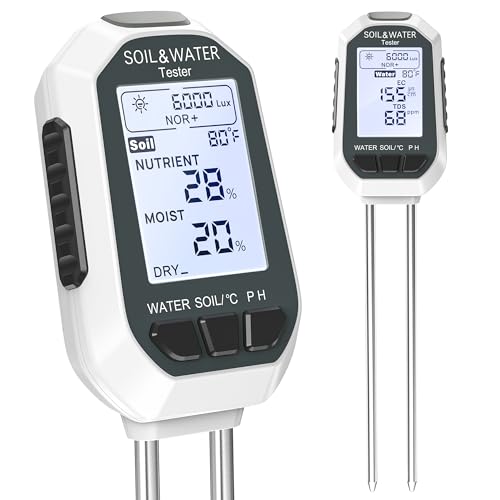
【7-in-1 Features】This is a 7-in-1 multi-function soil tester. Our soil tester quickly measures soil moisture, pH, temperature and light intensity, and its fertility function helps you take better care of your plants. With this device you can measure the soil moisture, pH, temperature and light intensity for your plants and with the EC and TDS functions you will know when it is time to water the soil.
Major Beet Producing Regions
When considering where beets grow on a larger scale, there are some notable regions globally that excel in beet production. Understanding these regions can provide insight into the ideal conditions for cultivating beets effectively.
Europe
- Europe is a significant beet-growing region, with countries like Russia, France, and Germany leading in beet production.
- The temperate climate of many European countries offers optimal conditions for beet growth, with cool temperatures and adequate sunlight.
United States
- In the United States, states such as Minnesota, California, and Idaho are known for their beet cultivation.
- These regions typically have fertile soil and suitable climate conditions for successful beet production.
Asia
- Countries like China, India, and Japan also contribute significantly to the global beet production.
- Diverse climates across different regions of Asia allow for the cultivation of beets in various conditions.
South America
- South American countries like Brazil and Argentina have emerging beet industries.
- The fertile lands and varied climates in South America offer opportunities for successful beet cultivation.
Oceania
- Australia and New Zealand are notable beet producing countries in the Oceania region.
- The temperate climates in parts of Oceania provide suitable conditions for growing beets.
- Certain regions in Africa, such as Egypt and South Africa, have favorable conditions for beet cultivation.
- The presence of rich soil and adequate sunlight supports the growth of beets in these African regions.
Understanding these major beet-producing regions can offer valuable insights into where beets thrive and the key factors that contribute to successful beet cultivation globally.
Growing Beets at Home
Interested in cultivating beets in your own backyard? Here’s how you can get started:
Soil Preparation
- Choose well-draining soil rich in organic matter.
- Ensure the pH level is between 6.0 and 7.0 for optimal growth.
Planting
- Plant beet seeds 1-2 inches apart in rows.
- Water seeds regularly, keeping the soil consistently moist but not waterlogged.
Sunlight and Watering
- Beets thrive in full sun but can tolerate partial shade.
- Water the plants 1-2 inches per week, adjusting based on rainfall.
Thinning and Harvesting
- Thin seedlings to 3-4 inches apart when they reach a couple of inches in height.
- You can start harvesting beet greens when they are young for salads.
Pests and Diseases
- Keep an eye out for common pests like aphids and flea beetles.
- Practice crop rotation to reduce the risk of diseases like Cercospora leaf spot.
- Store harvested beets in a cool, dark place with good airflow.
- Beet roots can last for several months when stored properly.
Conclusion
You now have a comprehensive understanding of where beets grow best and how to cultivate them in your own garden. By following the tips on soil preparation, planting, care, and harvesting, you’re well-equipped to embark on your beet-growing journey. Remember, with a little dedication and the right techniques, you can enjoy a bountiful harvest of fresh, homegrown beets. Happy gardening!
Frequently Asked Questions
Where are some major beet-producing regions globally?
Major beet-producing regions globally include Europe, Russia, North America, and China. These regions have ideal climatic conditions for beet cultivation.
How can I cultivate beets at home?
To cultivate beets at home, prepare well-draining soil, sow beet seeds directly into the ground or containers, ensure they receive adequate sunlight and water, thin the seedlings to proper spacing, and protect against pests and diseases.
When should I harvest beets?
Beets are typically ready for harvest 60-70 days after planting. Harvest them when they reach 1 to 3 inches in diameter or the desired size.
How do I store harvested beets?
After harvesting, store beets in a cool, dry place. Remove the tops, leaving an inch of stem, and store them in a perforated plastic bag in the refrigerator for up to a few weeks.
