

Ever wondered if your beets and broccoli could be the ultimate power duo in your garden? Picture this: You’ve carefully planned your vegetable patch, but are you missing out on the magic of companion planting?
Imagine the convenience of having your beets and broccoli thrive together, supporting each other’s growth while naturally deterring pests.
In this article, discover the secrets behind the synergy of beets and broccoli as companion plants. Unveil the benefits of this dynamic duo and unlock the potential of your garden with this simple yet effective gardening strategy.
Understanding Companion Planting
When it comes to gardening, companion planting is a smart strategy that involves growing specific plants near each other to maximize their growth and deter pests. It’s like having vegetable buddies that watch each other’s backs.
Beets and broccoli are a perfect example of companion plants that complement each other’s needs. Beets release nutrients into the soil that benefit broccoli, while broccoli’s tall structure provides shade for the beet’s roots. This mutual support leads to healthier plants and higher yields.
To create a thriving garden with companion plants like beets and broccoli, consider factors such as soil compatibility, light requirements, and growth habits. By understanding these aspects, you can ensure that your plants work together harmoniously.
Benefits of Companion Planting: Beets and Broccoli
When planting beets and broccoli together, you unlock a world of benefits that can enhance the growth and health of both plants. Here’s why this duo makes an excellent pair:
- Natural Pest Control: Broccoli is known to repel pests that enjoy beets, such as cabbage worms. This natural defense mechanism means fewer pests to deal with in your garden.
- Soil Enrichment: Beets are great at improving soil structure and adding essential nutrients like potassium. This enriches the soil for broccoli, promoting healthier growth.
- Space Utilization: Broccoli’s tall stature provides shade for the beet roots, helping them thrive in the right conditions and maximizing your garden space efficiently.
- Harvest Variety: By planting beets and broccoli together, you diversify your harvests and enjoy a range of fresh produce right from your garden.
- Complementary Nutrient Uptake: Beets and broccoli have different nutrient needs, making them ideal companions as they won’t compete for the same resources in the soil.
- Visual Appeal: Beyond their practical benefits, the vibrant colors and different shapes of beets and broccoli create an aesthetically pleasing garden bed.
By understanding the advantages of companion planting with beets and broccoli, you can harness nature’s synergies to create a thriving and harmonious garden.
Recommended Products
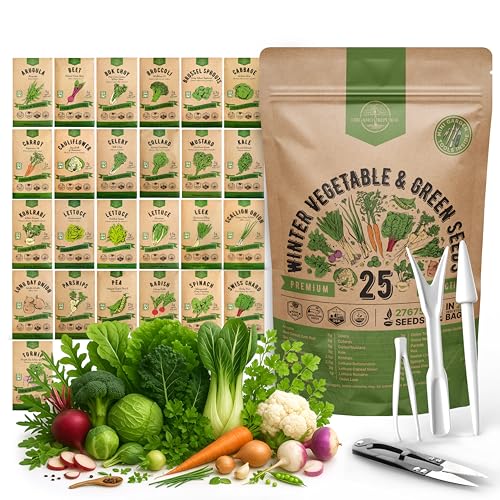
Gardening Kit: 25 Winter Vegetable & Greens Garden Seeds Variety Pack NON GMO Heirloom Seeds LESS THAN $1.00 PER SEED VARIETY PACK 27,675+ seeds including: Arugula, Beet Detroit Dark Red, Bok Choy, Broccoli, Brussel Sprouts, Cabbage, Carrot Imperator 58, Cauliflower, Celery, Collards, Curled Mustard, Kale, Kohlrabi, Buttercrunch, Oakleaf Green, Romaine, Leek, Tokyo Long White Scallion, Walla Walla, Parsnip, Pea, Radish Cherry Belle, Spinach, Swiss Chard, Turnip

STUNNING ITALIAN HEIRLOOM – Romanesco (Brassica oleracea var. botrytis) forms mesmerizing chartreuse lime green spirals with an unusual appearance prized by chefs and gardeners

Classic sweet beetroot + greens, Detroit Dark Red, a dependable heirloom table beet (Beta vulgaris); deep red, round roots with strong tops; great for roasting, salads, pickling, and storage
How Beets and Broccoli Support Each Other
When planting beets and broccoli together, you’re not just placing them side by side – you’re actually creating a synergistic relationship that benefits both plants. Here’s how beets and broccoli support each other in your garden:
- Pest Control: Broccoli acts as a natural repellent for pests that target beets, helping to keep your beet plants healthy and thriving.
- Soil Enrichment: Beets and broccoli have different root structures, with beets growing deeper and broccoli spreading wide. This difference helps enhance the soil structure by breaking up compacted soil and allowing for better water and nutrient absorption.
- Space Optimization: Broccoli’s taller leaves provide shade for the lower-growing beet roots, allowing both plants to coexist in the same area without competing for sunlight.
- Diversified Harvest: By planting beets and broccoli together, you’re increasing the variety of vegetables you can harvest from your garden, adding color, texture, and flavor to your meals.
- Nutrient Sharing: Beets and broccoli have different nutrient needs, making them ideal companions as they don’t compete for the same resources in the soil.
By understanding how beets and broccoli complement each other, you can maximize the benefits of companion planting in your garden and create a more robust and sustainable growing environment.
Natural Pest Deterrents in Beets and Broccoli
Planting beets and broccoli together is a smart move for your garden. Besides sharing the same growing conditions, they also team up well as natural pest deterrents. Here’s how they can help each other out:
- Broccoli’s strong scent acts as a natural repellent, deterring pests that are attracted to beets.
- Beet plants, with their natural compounds, protect broccoli from certain pests that might target it.
By planting these two together, you’re creating a mini ecosystem that can naturally fend off unwanted visitors.
Enhancing Garden Productivity with Beets and Broccoli
Pairing Strategies
- Interplant: Grow beets and broccoli in proximity to each other to maximize their protective benefits.
- Border Planting: Place beets around the edges of your broccoli patch to create a barrier against pests.
Pest Control
- Beet Protection: Beets shield broccoli from cabbage worms and aphids.
- Broccoli’s Repellent Properties: The strong scent of broccoli deters pests that target beets, such as flea beetles.
Complementary Growth
- Root Development: Beets and broccoli have different root structures that complement each other in the soil.
- Nutrient Uptake: Beets help balance the soil by absorbing different nutrients than broccoli.
Plant Health Benefits
- Increase Yield: The symbiotic relationship boosts both beets’ and broccoli’s growth.
- Natural Pest Management: Reduce the need for chemical interventions by leveraging these plant pairings.
- Extended Harvest: Stagger planting to enjoy continuous harvests of both crops.
- Crop Rotation: After harvesting, consider rotating these crops to maintain soil health and prevent pest build-up.
Conclusion
Pairing beets and broccoli in your garden can be a beneficial strategy to boost productivity. By utilizing interplanting and border planting techniques, you can take advantage of their natural protective properties against common pests. Beets act as a shield for broccoli, warding off cabbage worms and aphids, while broccoli’s aroma deters pests like flea beetles that may harm beets. Their distinct root systems and nutrient requirements work harmoniously to support each other’s growth, resulting in healthier plants and increased yields. This symbiotic relationship not only aids in natural pest control but also reduces the reliance on chemical treatments. Remember to incorporate practices such as staggered planting and crop rotation for prolonged harvests and sustained soil health.
Frequently Asked Questions
How can pairing beets and broccoli benefit my garden’s productivity?
Pairing beets and broccoli in the garden can enhance productivity by utilizing interplanting and border planting techniques. Beets protect broccoli from cabbage worms and aphids, while broccoli’s scent repels pests like flea beetles that target beets. Their different root structures and nutrient uptake complement each other, promoting overall plant health and increasing yield.
What strategies can I use to maximize the protective benefits of pairing beets and broccoli?
Utilize interplanting and border planting techniques to maximize the protective benefits of pairing beets and broccoli. These methods help shield each other from pests like cabbage worms, aphids, and flea beetles. By combining their natural defenses, you can create a symbiotic relationship that aids in natural pest management, reducing the need for chemical interventions.
Are there additional benefits to pairing beets and broccoli in the garden?
Beyond pest protection, pairing beets and broccoli in the garden offers advantages such as extended harvests through staggered planting and improved soil health via crop rotation. These practices not only increase productivity but also contribute to the overall sustainability of your garden by reducing pest build-up and maintaining soil fertility.
