

Ever wondered how to grow your own crunchy cucumbers right in your backyard? Picture this: you’re in your kitchen, ready to make a fresh salad, but you realize you’re missing the key ingredient – cucumbers. What if you could just step outside and pick them from your own garden? In this article, you’ll discover the simple steps to plant cucumbers and enjoy the satisfaction of harvesting your homegrown produce. Ready to turn your garden into a cucumber paradise?
Selecting the Perfect Location
When choosing a spot to plant your cucumbers, opt for an area that receives at least 6-8 hours of sunlight daily. Cucumbers thrive in the sun, so find a sunny patch in your garden for the best results.
Ensure the location has well-draining soil. Waterlogged soil can lead to root rot, so pick an area where water doesn’t accumulate after rain. Loamy soil works best for cucumbers as it retains moisture while allowing for proper drainage.
Consider vertical space when selecting the location. Cucumbers are climbers, so they need support structures like trellises or cages to grow vertically. Make sure your chosen spot allows for these structures to be set up easily.
Avoid planting cucumbers near potatoes, melons, or aromatic herbs as they can affect growth. Opt for a location away from these plants to prevent any potential issues with pests or diseases.
Lastly, convenience is key. Choose a spot that’s easy for you to access for watering, tending to the plants, and harvesting the cucumbers. A location closer to a water source can also make your gardening tasks more manageable.
Preparing the Soil
When it comes to planting cucumbers, preparing the soil plays a crucial role in the success of your crop. Here are some essential steps to get your soil ready:
- Start by testing the soil to determine its pH level and nutrient content. This will help you understand what amendments are needed.
- Ensure the soil is well-draining to prevent waterlogging, which can harm cucumber plants.
- Incorporate organic matter like compost or well-rotted manure to improve soil structure and fertility.
- Remove any weeds from the planting area to reduce competition for nutrients and water.
- Consider adding a balanced fertilizer based on soil test results to provide essential nutrients for healthy cucumber growth.
| Soil pH Level | Nutrient Content | Drainage |
|---|---|---|
| Neutral to Slightly Acidic | Rich in Nitrogen and Potassium | Well-Draining |
By following these soil preparation tips, you’ll create an ideal environment for your cucumber plants to thrive and produce a bountiful harvest.
Recommended Products

Quick, at home results for Soil pH, Nitrogen, Phosphorous and Potash Innovative and inexpensive soil test kit features an easy-to-use capsule system and patented color comparators

Kindly NOTE: This soil tester can not be applied to test pH value of any other liquid. If the soil is too dry the indicator will not move, and water it before testing.

KNOW BEFORE YOU GROW | Grow the healthiest, sustainable lawn and garden with the most accurate and easy to use professional soil test kit on the market
Choosing the Right Cucumber Seeds
When choosing cucumber seeds, it’s essential to select varieties that align with your preferences and growing conditions.
Recommended Products
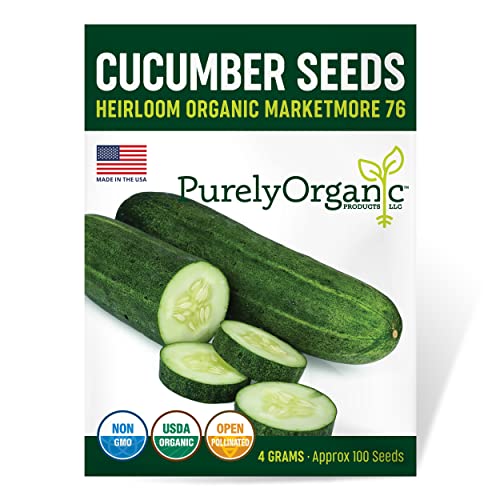
Cucumis Sativus: These finest quality, non-GMO, USDA Organic Marketmore Cucumber seeds produce hefty dark green, smooth fruits 8-9 inches long with a sweet and mild flavor ideal for slicing, salads, sandwiches and soups.
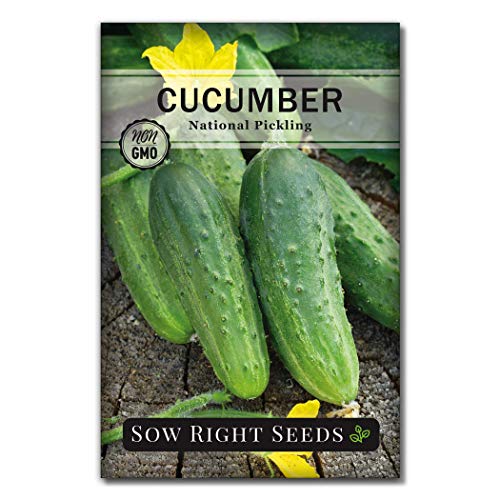
Beautiful - Full-color packet of National Pickling Cucumber seeds (Cucumis Sativus), a heavy producing self-pollinating variety that is burpless and wonderful for pickles or eating fresh. Sweet skins do not need to be peeled. Minimum of 1g per packet (about 39 seeds).

The Straight Eight Cucumber receives its name by being best harvested when it reaches 8 inches long
Factors to Consider:
- Cucumber Type: Decide if you want slicing cucumbers for fresh consumption or pickling cucumbers for preserving.
- Space Requirements: Check if the seed package specifies the vine length to ensure it fits your garden space.
- Disease Resistance: Look for seeds resistant to common cucumber diseases to promote plant health.
- Hybrid vs. Heirloom: Hybrids offer disease resistance and consistent traits, while heirlooms boast unique flavors and characteristics.
- Early Maturing: Opt for early-maturing varieties if you have a shorter growing season.
- Climbing vs. Bush: Consider the support system needed; climbing cucumbers may require trellising.
With these pointers, you can confidently choose cucumber seeds best suited for a successful harvest.
Planting Your Cucumber Seeds
Now that you’ve selected the perfect cucumber seeds, it’s time to plant them and kickstart your gardening journey. Follow these steps to ensure your cucumber plants thrive:
- Prepare the Soil: Choose a sunny spot with well-draining soil. Add compost to enrich the soil and ensure healthy plant growth.
- Planting Depth: Plant your cucumber seeds about 1 inch deep into the soil. Space them out accordingly, following the guidelines on the seed packet.
- Watering: Keep the soil consistently moist but not waterlogged. Cucumbers need 1-2 inches of water per week, so adjust accordingly based on the weather conditions.
- Support Structures: If you’ve chosen a climbing cucumber variety, provide trellises or stakes for them to climb. This helps save space and prevents fruit from touching the ground.
- Mulching: Consider mulching around your cucumber plants to retain soil moisture, suppress weeds, and maintain even soil temperature.
- Fertilization: Once your cucumber plants have established, you can apply a balanced fertilizer following the recommended guidelines.
- Watch for Pests and Diseases: Keep an eye out for common pests like cucumber beetles and diseases like powdery mildew. Early detection can help prevent significant damage.
- Harvesting: Different cucumber varieties have varying harvesting times. Generally, you can start harvesting when the cucumbers reach their mature size and are a consistent color.
Caring for Your Cucumber Plants
Growing healthy cucumber plants requires proper care and attention. Here are essential tips to help you nurture your cucumber crop:
Watering:
- Ensure your plants receive about 1-1.5 inches of water per week, especially during dry spells.
- Water at the base to prevent disease and avoid wetting the foliage.
Sunlight:
- Cucumbers thrive in full sun, so aim for at least 6-8 hours of sunlight daily for optimal growth.
Mulching:
- Use organic mulch like straw or grass clippings to retain moisture, suppress weeds, and maintain even soil temperature.
Fertilizing:
- Apply a balanced fertilizer when the plants start to vine, and side dress with compost during mid-season for added nutrients.
Pest Management:
- Keep an eye out for common pests like aphids and cucumber beetles. Consider using organic remedies to minimize damage.
Disease Prevention:
- To prevent diseases like powdery mildew, ensure good air circulation, avoid overhead watering, and promptly remove any affected leaves.
Supporting Climbing Varieties:
- Install trellises or cages for climbing cucumber varieties to encourage upward growth and save space.
- Regularly harvest cucumbers when they reach the desired size to encourage more fruit production.
By incorporating these care tips into your routine, you’ll enhance the health and yield of your cucumber plants for a bountiful harvest.
Conclusion
You’ve now learned the key steps to caring for your cucumber plants, ensuring they thrive and produce a plentiful harvest. By following these care guidelines, you can nurture your cucumbers to optimal health and yield. Remember to provide adequate water, sunlight, mulch, fertilizer, and pest control. Supporting climbing varieties and practicing proper harvesting techniques will further enhance your cucumber plants’ growth. With these tips in mind, you’re on your way to enjoying a successful cucumber harvest in your garden. Happy gardening!
Frequently Asked Questions
How often should I water my cucumber plants?
Water cucumber plants deeply once or twice a week, ensuring the soil is consistently moist but not waterlogged to promote healthy growth.
How much sunlight do cucumber plants need?
Cucumber plants thrive in full sun, requiring at least 6-8 hours of sunlight daily to grow vigorously and produce abundant fruits.
Is mulching necessary for cucumber plants?
Mulching around cucumber plants helps retain soil moisture, suppress weeds, and maintain even soil temperature for optimal growth and fruit development.
When should I fertilize my cucumber plants?
Apply a balanced fertilizer when planting and side-dress with additional fertilizer when the plants begin to set fruit for improved nutrient uptake.
How can I manage pests on my cucumber plants?
Regularly inspect plants for pests like aphids and cucumber beetles, and use organic insecticidal soap or neem oil for effective pest control.
How do I prevent diseases in my cucumber plants?
Prevent fungal diseases by ensuring good air circulation, avoiding overhead watering, and applying copper fungicides preventively.
How can I support climbing cucumber varieties?
Provide a trellis, stake, or cage for climbing cucumber varieties to save space, improve air circulation, and keep fruits off the ground to prevent rot.
When is the right time to harvest cucumbers?
Harvest cucumbers when they reach a mature size and firmness, typically 8-10 inches long for slicers and 3-4 inches long for picklers, to ensure peak flavor and texture.
