

Ever wondered how you can enjoy fresh cucumbers all year round, even without a garden? Picture this: craving a crisp cucumber for your salad, only to find wilted ones at the store. What if you could pluck one straight from your indoor garden whenever you pleased? In this article, you’ll uncover the secrets to successfully planting cucumbers indoors, bringing a burst of green goodness right into your home. Get ready to savor the satisfaction of homegrown cucumbers, no matter the season.
Choosing the Right Cucumber Variety
When selecting a cucumber variety for indoor planting, consider these key factors:
- Space: Opt for compact varieties like Bush Champion or Spacemaster if you have limited space.
- Light: Choose a cucumber variety that thrives indoors with adequate light, such as Salad Bush or Diva.
- Pollination: If pollinators are scarce indoors, go for parthenocarpic varieties such as Diva or Sweet Success that set fruit without pollination.
- Flavor: Select cucumber types like Japanese or Persian cucumbers for a unique and delicious flavor profile.
- Purpose: Determine if you want cucumbers for fresh eating, pickling, or both to choose the right variety.
By considering these factors, you can pick the perfect cucumber variety for your indoor garden.
Selecting the Ideal Containers
When choosing containers for your indoor cucumber plants, opt for well-draining pots that are at least 12 inches deep. Consider containers made of plastic or glazed ceramic to retain moisture.
Avoid overcrowding by selecting containers that can accommodate one to two cucumber plants comfortably. Remember, cucumbers have extensive root systems, so ample space is key.
Select containers with adequate drainage holes to prevent waterlogged roots. You can also place a saucer underneath to catch excess water and avoid mess.
Consider the weight of the containers when filled with soil and water. Lightweight containers are ideal if you plan to move your plants around for optimal sunlight exposure.
| Important Points | Details |
|---|---|
| Container depth | At least 12 inches |
| Material | Plastic or glazed ceramic |
| Drainage | Adequate holes, with a saucer if needed |
| Plant capacity | 1-2 cucumber plants per container |
| Weight | Consider when filled with soil and water |
Recommended Products
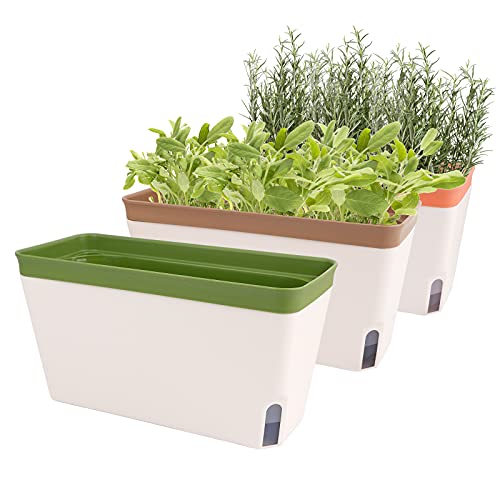
SELF-WATERING PRINCIPLE: Through two absorbent cotton ropes, the self watering pots provide water to the soil and keep the soil moist through the principle of osmosis, without having to water the plants regularly. Even if you leave home for a few days, it can help you take care of the plants and avoid plants die from water shortage.

Plant Pots / Flower Pots - Invest in a beautiful garden to harvest the seeds of love, with the set of pots for indoor or outdoor plants

🌱【Effortless Self-Watering Design】Say goodbye to daily watering! The cotton rope system wicks water from the reservoir, self watering pots for indoor plants ensure consistent soil moisture—perfect for beginners and busy plant lovers
Providing Adequate Light and Temperature
To thrive indoors, cucumber plants rely on ample light and consistent temperatures. Here’s how you can ensure optimal conditions for your indoor cucumber garden:
- Light Requirements:
- Place your cucumber plants near a south-facing window to receive at least 6-8 hours of sunlight daily.
- Consider using grow lights if natural light is insufficient, positioning them a few inches above the plants for adequate brightness.
- Temperature Recommendations:
- Daytime temperature: Ideally between 70-85°F for cucumber growth.
- Nighttime temperature: Aim for around 60-70°F to promote healthy development.
Recommended Products

NOTE: The product stand needs to be pressed down by the flower pot to be stable. Not wireless style. 2 Installation Methods: Specially designed plant light for indoor plants, which can be inserted in the soil or stand for lighting.Unique and easy to assemble and disassemble.

FULL SPECTRUM & NATURAL LIGHT: A19 full spectrum grow light appears 4000K white to eyes but has a red/blue light spectrum. Same as natural sun shine, perfect for tomatoes, cucumbers, peppers, leafy greens and herbs at all growth stages.
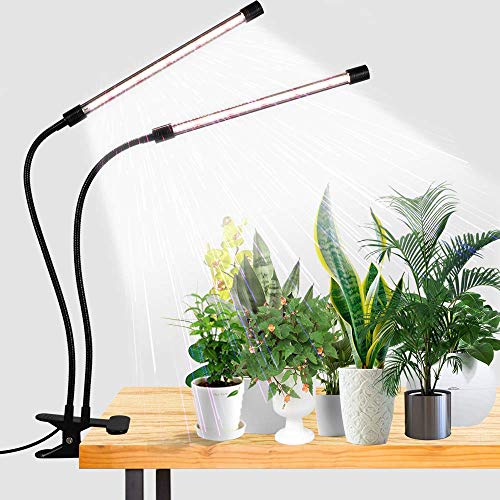
6000K White Light - equipped with 10 Red + 74 White LEDs, this growing Lamp is similar to the full-spectrum sunlight at noon,that is professionally designed for indoor garden plants.Moreover, its color rendering index is as high as 95, the light is soft and flicker-free, which is very suitable for reading lamp
Watering and Fertilizing Tips
When it comes to watering your indoor cucumber plants, ensure the soil is consistently moist but not waterlogged. Here are some watering tips:
- Check the moisture level by inserting your finger into the soil. If it feels dry about an inch below the surface, it’s time to water.
- Water at the base of the plant to avoid getting the foliage wet, which can lead to disease.
- Consider using a watering can with a narrow spout for more precise watering.
For fertilizing, it’s important to provide your cucumber plants with nutrients for healthy growth. Here are some fertilizing tips:
- Use a balanced fertilizer with equal parts nitrogen, phosphorus, and potassium.
- Start fertilizing when the plants have developed their first true leaves.
- Avoid over-fertilizing, as this can damage the plants.
Remember, adjust your watering and fertilizing routine based on the specific needs of your indoor cucumber plants to ensure they thrive.
Managing Pests and Diseases
Dealing with pests and diseases is crucial for the health of your indoor cucumber plants. Here are some tips to help you keep them at bay:
- Inspect Regularly: Check your plants often for any signs of pests or diseases.
- Natural Repellents: Consider using natural remedies like neem oil to deter common pests.
- Proper Air Circulation: Ensure good air circulation around your plants to prevent diseases.
- Quarantine New Plants: Isolate new plants before introducing them to your indoor cucumber garden.
- Early Intervention: Address any pest or disease issues promptly to prevent them from spreading.
Maintaining a watchful eye and taking preventive measures are key to ensuring your indoor cucumber plants stay healthy and productive.
Conclusion
Keep a close eye on your indoor cucumber plants for any signs of pests or diseases. Utilize natural repellents such as neem oil and ensure proper air circulation to maintain their health. Remember to quarantine new plants and address any issues promptly to prevent further spread. With these preventive measures in place, your indoor cucumber plants will flourish and continue to yield bountiful harvests. Happy gardening!
Frequently Asked Questions
How can I ensure the health of my indoor cucumber plants?
Regularly inspect your plants for any signs of pests or diseases. Utilize natural repellents such as neem oil, maintain good air circulation, quarantine new plants, and address any issues promptly to prevent further spread.
What are some preventive measures to keep pests and diseases away from indoor cucumber plants?
Applying neem oil, practicing good plant hygiene, isolating new plants, ensuring proper ventilation, and promptly addressing any issues are effective preventive measures to maintain the health of indoor cucumber plants.
How important is it to address pest and disease issues promptly?
Addressing pest and disease issues promptly is crucial to prevent them from spreading and causing further damage to indoor cucumber plants. Vigilance and quick action can help maintain the health and productivity of your plants.
