

Ever wondered why your green bean plants seem to struggle under the scorching sun? Picture this: vibrant green leaves wilting, pods failing to develop – a gardener’s nightmare, right? But fret not, as we’ve got your back! In this article, you’ll uncover the secrets to combatting excessive heat in your green bean gardens.
Are you tired of watching your precious green beans suffer in silence? Imagine a garden where your plants thrive despite the relentless heat. That dream can be your reality! By learning simple yet effective strategies, you’ll be equipped to shield your green bean garden from the sun’s harsh rays and ensure a bountiful harvest.
Understanding the Impact of Excessive Heat on Green Bean Gardens
When the sun’s intensity rises, green bean plants are put to the test. The effects of excessive heat on your green bean garden can be quite challenging to tackle. Here’s what you need to know:
- Wilting Leaves: One common effect of extreme heat is the wilting of leaves on your green bean plants. This occurs as a survival mechanism to cope with high temperatures.
- Stunted Growth: The intense heat can lead to stunted pod growth in green bean plants, impacting your yield for the season.
- Increased Water Needs: During hot spells, green bean plants require more water to stay hydrated and healthy.
To combat these challenges and ensure your green bean garden thrives, it’s essential to understand how excessive heat can affect your plants.
Selecting Heat-Tolerant Green Bean Varieties
When it comes to managing excessive heat in your green bean garden, Selecting Heat-Tolerant Green Bean Varieties is a key strategy to ensure the well-being of your plants. Here are some tips to help you choose the right varieties:
- Bush Beans: These varieties are known for their compact growth habit and are generally more heat-resistant than pole beans. Consider Contender or Provider for a reliable harvest in hot conditions.
- Southern Varieties: Look for green bean varieties specifically bred for warmer climates. Blue Lake 274 and Roma II are excellent choices for heat tolerance.
- Drought-Resistant Types: Opt for green bean varieties that are also labeled as drought-resistant. These types can often better withstand heat stress and minimal watering. Varieties like Strike and Royal Burgundy fall into this category.
- Heat-Loving Heirlooms: Some heirloom varieties have naturally adapted to thrive in hotter conditions. Cherokee Wax and Kentucky Wonder Wax are examples of heirlooms that can handle the heat.
- Consult Local Experts: Reach out to local gardening clubs or extension offices for recommendations on green bean varieties that have proven successful in your specific region’s heat conditions.
By selecting the right heat-tolerant green bean varieties, you can set a solid foundation for a successful garden even in the face of extreme temperatures.
Recommended Products

Heat-Resistant Growth Habit: This bush bean has a compact, upright growth habit that thrives in extreme southern heat

5 HEAT-LOVING BEAN VARIETIES – Rattlesnake (Phaseolus vulgaris), Jackson Wonder Lima (Phaseolus lunatus), Black-Eyed Pea & Purple hull Cowpea (Vigna unguiculata), and Chiba Green Soybean (Glycine max); selected for reliable production in long, hot summers
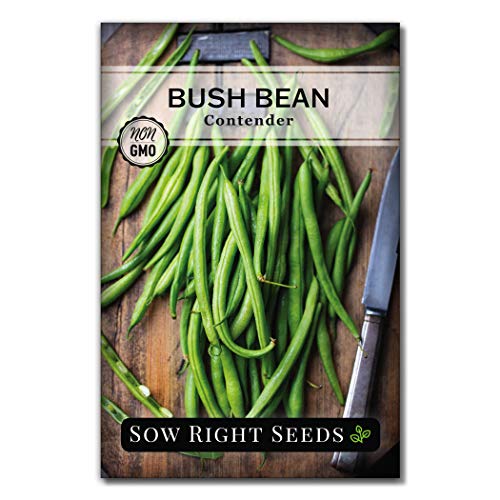
Beautiful - Large premium seed packet of Contender Bush Bean (Phaseolus vulgaris) seeds. Minimum of 16.5g per packet (about 30 seeds). Stringless bush bean that matures early and produces high yields. Adaptable, performing well in short, cool growing seasons or in hot weather. Beans are 5-8" long and retain their flavor when frozen or canned.
Providing Adequate Water and Mulching Techniques
When facing excessive heat in your green bean garden, proper watering is key. Ensure your plants get enough moisture without overwatering. Here are some tips for providing adequate water and using mulching techniques effectively:
- Watering schedule:**** Schedule watering sessions in the early morning or late evening to minimize evaporation.
- Consistent watering:** Ensure a consistent supply of water to your green bean plants to help them thrive.
Mulching: Using mulch in your garden can help retain soil moisture and regulate soil temperature. Some popular mulching options include straw, grass clippings, or shredded leaves. Apply a layer of mulch around your green bean plants, keeping it a few inches away from the plant stems.
- Water early or late: Minimize evaporation by watering in the early morning or late evening.
- Consistency is key: Maintain a regular watering schedule to keep your green beans healthy.
- Mulch benefits: Use mulch to retain soil moisture and regulate soil temperature in your garden.
Recommended Products

Natural Weed Control: Our biodegradable mulch film naturally suppresses weeds, keeping your garden clean without the use of harsh chemicals.


ONE-PIECE DESIGN — BUILT FOR GARDENING, NOT SHIPPING, Unlike multi-piece rings, our solid one-piece design won’t leak, shift, or require assembly. The continuous circular wall keeps water contained and delivers it directly to the root zone for better plant performance.
Stay tuned for more tips on managing excessive heat in your green bean garden!
Implementing Shade Structures and Row Covers
To protect your green bean plants from the scorching sun, implementing shade structures is a smart idea. You can use umbrellas, shade cloths, or even plant tall crops like sunflowers strategically to provide shade during the hottest parts of the day.
Row covers are also effective in shielding your green beans from excessive heat. These covers not only provide shade but also help maintain soil moisture levels. You can opt for lightweight, breathable fabrics that allow airflow while keeping the temperature around your plants cooler.
When setting up shade structures and row covers in your green bean garden, make sure to secure them properly to prevent them from being blown away by the wind. Additionally, remember to monitor the temperature under the covers to avoid trapping too much heat.
By incorporating these techniques into your garden maintenance routine, you can effectively manage the impact of excessive heat on your green bean plants.
Recommended Products

【35-45% Sun Shade for Healthy Plant Growth】 This garden shade cloth blocks about 35-45% of harsh sunlight while still letting enough light through. Perfect for vegetables, flowers, seedlings, tomatoes, and other plants that need protection without full shade.

Garden Hoops for Raised Beds: Note: There is NO netting included. You are no strangers to voracious critters, disease-ridden bugs and winter harsh weather conditions. FuBegi garden tunnel hoops helped to provide the protection your veggies needed, improving the quality of your harvests big time! You will have a lot fewer problems with insects eating your crop as well as the sun scorching the tender leaves.

SIZE: Measures 6.5 feet in width and 10 feet in length (2 meters x 3 meters). you can easily cut it to your desired size and shape to suit your needs
Monitoring and Adjusting Care Practices During Heatwaves
Monitor Soil Moisture Levels:
- Check soil moisture frequently during heatwaves.
- Water green bean plants deeply and less frequently to encourage deep root growth.
Adjust Watering Schedule:
- Water in the early morning or late evening to reduce evaporation.
- Increase watering frequency if the soil dries out quickly.
Check Plant Health:
- Watch for signs of wilting or yellowing leaves.
- Trim damaged leaves to help the plant allocate energy more effectively.
| Statistic | Data |
|---|---|
| Average soil temperature for green bean growth | 60-85°F |
| Optimal soil pH for green beans | 6.0-7.0 |
| Recommended inches of water per week for green beans | 1-1.5″ |
Utilize Shade Structures:
- Set up shade cloths or umbrellas to shield plants during peak sunlight hours.
- Consider planting tall crops as natural sun blockers.
Protective Row Covers:
- Use row covers to provide a barrier against intense heat.
- Secure covers properly to prevent damage from wind.
- Place a thermometer under row covers to track the temperature.
- Remove covers if temperatures rise excessively to prevent overheating.
Remember, proactive monitoring and adjusting care practices are essential to help green bean plants thrive during heatwaves.
Conclusion
You’ve learned the essential strategies for managing excessive heat in your green bean garden. By closely monitoring soil moisture, adjusting watering routines, and keeping a close eye on plant health, you can ensure your green bean plants thrive even during heatwaves. Remember to implement deep watering techniques, water at optimal times, and trim any damaged leaves to promote plant resilience. Consider using shade structures like umbrellas and tall crops, as well as protective row covers to shield your plants from extreme heat. With proactive care and regular adjustments, your green bean garden will flourish, even in the hottest conditions.
Frequently Asked Questions
Q: Why is monitoring soil moisture levels important during heatwaves?
A: Monitoring soil moisture levels is crucial during heatwaves to prevent drought stress and ensure green bean plants receive adequate hydration for growth and development.
Q: How should watering schedules be adjusted during heatwaves?
A: Watering schedules should be adjusted during heatwaves by deep watering less frequently to encourage root growth and prevent moisture loss due to evaporation.
Q: What are key plant health indicators to check during heatwaves?
A: Key plant health indicators to check during heatwaves include wilting leaves, yellowing foliage, and signs of heat stress such as leaf scorch or curling.
Q: How can shade structures help protect green bean plants during excessive heat?
A: Shade structures like umbrellas and tall crops can help shield green bean plants from excessive heat by providing shade and reducing direct exposure to intense sunlight.
Q: Why is proactive monitoring and adjusting care practices essential for green bean plants during heatwaves?
A: Proactive monitoring and adjusting care practices are essential for green bean plants during heatwaves to prevent heat-related stress, maintain plant health, and promote optimal growth and productivity.
