

Ever wondered if you could enjoy fresh cucumbers right from your own backyard, even without a sprawling garden? Picture this: craving a crisp cucumber for your salad or sandwich, only to realize you’re fresh out. But what if you could pluck one from your very own potted plant, ready to elevate your dish? Exciting, right?
In this article, you’ll uncover the secrets to successfully growing cucumbers in pots, right on your porch or balcony. Imagine the satisfaction of nurturing your cucumber plant from seed to harvest, all within arm’s reach. Say goodbye to store-bought cucumbers and hello to homegrown goodness. Get ready to embark on a rewarding journey of cultivating your own cucumbers, no garden required.
Choosing the Right Container
When choosing a container for your cucumbers, opt for a large pot to accommodate their extensive root system. Ensure that the container has drainage holes at the bottom to prevent waterlogging, which can lead to root rot.
Plastic, ceramic, or wood containers are all suitable options, but avoid metal containers as they can heat up, potentially harming the roots.
Consider the mature size of the cucumber plant when selecting a container. A general rule is to have at least a 5-gallon (19-liter) capacity for each plant to thrive and produce an abundant harvest.
Remember to place the container in a sunny spot that receives 6-8 hours of sunlight daily for optimal growth. Additionally, consider the mobility of the container, as you may need to move it to capture the best sunlight throughout the day.
For climbing cucumber varieties, choose a container with a trellis or tomato cage to provide support for the vines as they grow vertically. This not only saves space but also encourages better air circulation around the plant.
When selecting your container, prioritize functionality and suitability to create an ideal environment for your cucumber plants to thrive and flourish.
Recommended Products

Durable, thick black plastic

5 Gallon Plastic Pots 5 Pack:12-inch plastic pots with a 5-gallon capacity provide ample space for plant growth(5 gallons of packed loose soil or 3.2 gallons of liquid);this pack includes five pots for handling multiple planting projects simultaneously
Selecting the Perfect Cucumber Variety
There are various cucumber varieties to choose from, each with its unique characteristics that cater to different preferences and growing conditions. Here are some popular options to consider:
- Classic Slicer Cucumbers: Excellent for fresh eating, salads, and pickling.
- Pickling Cucumbers: Ideal for making pickles due to their small size and firm texture.
- Burpless Cucumbers: Known for their mild flavor and easy digestibility.
- Lemon Cucumbers: Distinctive yellow color and round shape, perfect for unique salads.
- Miniature Cucumbers: Great for snacking and smaller gardens.
Providing Adequate Sunlight
To ensure your cucumber plants thrive in pots, place them in a spot that receives at least 6-8 hours of sunlight each day. Position your pots in a sunny area like a balcony, patio, or windowsill where they can soak up the sun’s rays.
Rotate your pots regularly if sunlight is unevenly distributed in your chosen spot. This will help all sides of the plant receive adequate sunlight, promoting balanced growth.
Consider using reflective material around your pots to maximize sunlight exposure. Reflective surfaces bounce light back onto the plants, especially beneficial in areas with limited direct sunlight.
Regularly monitor the sunlight levels in your chosen location throughout the day. Observe any shadows that may move over your plants, and adjust their placement accordingly to maintain optimal sunlight exposure.
Remember, cucumbers are sun-loving plants, so ensuring they receive sufficient sunlight is crucial for healthy growth and a bountiful harvest.
Watering and Fertilizing Tips
When growing cucumbers in pots, watering is key. Make sure the soil remains moist, but not soggy.
Fertilize your cucumber plants every 2-3 weeks to keep them healthy and productive.
Consider using a balanced fertilizer with equal parts nitrogen, phosphorus, and potassium.
Aim to water your cucumber plants at the base to prevent wetting the leaves, which can lead to disease.
Test the soil moisture by sticking your finger one inch into the soil. If it’s dry, it’s time to water your plants.
Remember, overwatering can be harmful, so ensure proper drainage in your pots.
| Key Points | Data |
|---|---|
| Sunshine Hours | 6-8 hours daily |
| Fertilization | Every 2-3 weeks with balanced fertilizer |
Recommended Products

🥒 EXPERTLY CRAFTED FOR CUCUMBER PRODUCTIVITY – Gardenera LIQUID POWER Cucumbers Fertilizer is designed to enhance vine growth, flowering, and high-yield fruiting for all cucumber types, including slicing, pickling, and greenhouse varieties.

Contains natural ingredients to feed microbes in the soil

Burpee Organic All Purpose Granular Plant Food is formulated for long-lasting results
Dealing with Pests and Diseases
Dealing with pests and diseases is crucial to ensure the health of your cucumber plants. Here are some tips to help you tackle common issues:
Inspect Your Plants Regularly
Use Natural Predators
Neem Oil Spray
Proper Pruning
- Fungal Diseases
| Fungal Disease | Symptoms |
| ———– | ———– |
| Powdery Mildew | White powdery spots on leaves |
| Downy Mildew | Yellow spots on leaves with fuzzy growth | - Bacterial Diseases
| Bacterial Disease | Symptoms |
| ———– | ———– |
| Bacterial Wilt | Wilting of leaves and sudden plant death |
| Angular Leaf Spot | Water-soaked lesions on leaves | Preventive Measures
Crop Rotation
Healthy Soil Practices
Keep an eye out for any signs of pests or diseases, and take immediate action to protect your cucumber plants.
Recommended Products

3-IN-1 PLANT CARE: 3-In-1 Insect, Disease & Plant Mite Control provides insect control, disease control, and plant mite control all in one; Rainproof protection starts in 4 hours and lasts up to 14 days

3-in-1 FORMULA: Aphid spray for outdoor plants for use on roses, flowers, shrubs and trees to control listed insects, disease and mites
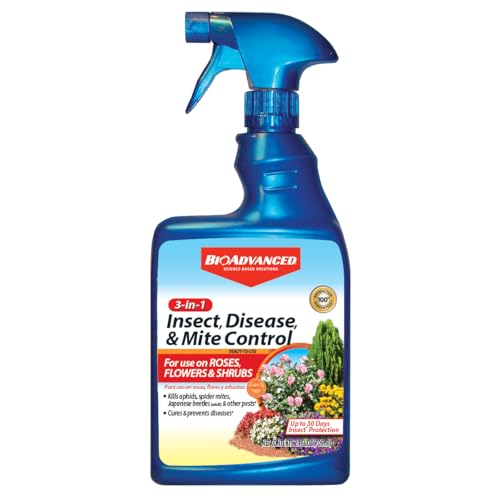
INSECT KILLER: Army worm killer. Also kills insects such as Aphids, Spider Mites, Japanese Beetles, Caterpillars, and other listed insects
Conclusion
Growing cucumbers in pots can be a rewarding experience, but it’s essential to stay proactive in dealing with pests and diseases. By regularly checking your plants, utilizing natural predators, and applying neem oil spray when needed, you can help protect your cucumber crop. Proper pruning techniques and recognizing symptoms of common diseases like powdery mildew and bacterial wilt are crucial for maintaining plant health. Remember to practice preventive measures such as crop rotation and healthy soil practices to ensure your cucumber plants thrive. Stay vigilant and act promptly at the first sign of trouble to keep your plants safe and flourishing. Happy gardening!
Frequently Asked Questions
Q: Why is dealing with pests and diseases important when growing cucumbers in containers?
A: Dealing with pests and diseases is crucial to ensure the health and productivity of cucumber plants. Ignoring these issues can lead to stunted growth, reduced harvest, and even plant death.
Q: How can I prevent pests and diseases on my container-grown cucumber plants?
A: Regularly inspecting plants, using natural predators like ladybugs, applying neem oil spray, proper pruning, and maintaining healthy soil practices help prevent pests and diseases.
Q: What are some common fungal and bacterial diseases that affect cucumber plants?
A: Common diseases include powdery mildew, which appears as white powdery spots on leaves, and bacterial wilt, which causes wilting and yellowing of leaves.
Q: What preventive measures can I take to protect my cucumber plants?
A: Implementing practices such as crop rotation, maintaining healthy soil conditions, and monitoring for early signs of pests and diseases are vital preventive measures.
Q: Why is it important to act promptly at the first sign of pests or diseases on cucumber plants?
A: Immediate action is essential to prevent the spread of pests and diseases, ensuring the longevity and productivity of your cucumber plants.
