

Ever wondered if you have what it takes to grow your own crisp, juicy cucumbers right in your backyard? Picture this: you step outside, pluck a fresh cucumber off the vine, and add it to your salad in minutes. Sounds tempting, doesn’t it? But the big question remains: How hard is it to actually grow cucumbers yourself?
Imagine skipping the grocery store and harvesting your own cucumbers whenever you want. No more soggy, store-bought veggies – just homegrown goodness at your fingertips. In this article, we’ll explore the ins and outs of cucumber cultivation, sharing tips and tricks to make your gardening journey a breeze. Get ready to discover the joys of growing your own cucumbers and enjoy a bountiful harvest right from your own garden.
Choosing the Right Cucumber Variety
When it comes to choosing the right cucumber variety for your garden, consider the following factors:
- Space: Determine if you have ample space for sprawling varieties or need compact ones for smaller areas.
- Taste: Think about your flavor preferences as cucumbers come in various tastes from sweet to slightly bitter.
- Use: Decide if you want them for fresh eating, pickling, or both.
- Climate: Select varieties that are suitable for your climate to ensure a successful harvest.
- Disease Resistance: Look for varieties that are resistant to common cucumber diseases for easier maintenance.
Exploring different cucumber types can be exciting and rewarding. Here are some popular cucumber varieties you might want to consider planting:
| Variety | Description |
|---|---|
| Straight Eight | Classic slicing cucumber with smooth skin. |
| Lemon Cucumber | Oval-shaped with a mild, slightly sweet flavor. |
| Pickling Cucumber | Ideal for pickling, with smaller fruits. |
| Armenian Cucumber | Long and slender cucumber with a mild taste. |
Each variety brings a unique flavor and texture to your table, enhancing your culinary experience. Remember, selecting the right cucumber variety sets the foundation for a successful and enjoyable gardening journey.
Recommended Products


ORGANIC CERTIFICATION: Certified Organic seeds ensure chemical-free cultivation from start to finish; Non-GMO heirloom variety maintains natural genetic integrity; Safe for organic gardening practices and sustainable agriculture

BURPLESS AND LOW ACID – Smooth-skinned cucumbers with no bitterness, ideal for easy digestion, fresh eating, or quick-pickling snacks
Selecting the Perfect Growing Location
When choosing a spot to grow your cucumbers, keep these tips in mind:
- Sunlight: Find a location with full sun exposure for at least 6-8 hours a day.
- Soil: Opt for well-draining soil rich in organic matter. Cucumbers prefer a pH level between 6.0 and 7.0.
- Space: Ensure your cucumbers have enough room to grow. They thrive when spaced 12-24 inches apart in rows 3-6 feet apart.
- Support: Consider providing a trellis or cage for vine support, especially for varieties like vining cucumbers to save space.
Selecting the right growing location is crucial for your cucumber plants’ success and productivity.
Preparing the Soil for Cucumber Planting
When getting ready to plant your cucumber seeds, preparing the soil is a crucial step that can influence the success of your crop. Here are some key points to keep in mind:
- Soil Testing: Test your soil to determine its pH level, ideally between 6.0 and 7.0. This will help ensure that your cucumbers have the right environment to thrive.
- Amending the Soil: If your soil pH is off, you can amend it by adding materials like lime to raise pH or sulfur to lower it. Follow soil test recommendations for best results.
- Organic Matter: Ensure your soil is rich in organic matter. This can be achieved by adding compost or well-rotted manure to improve soil structure and fertility.
- Drainage: Well-draining soil is essential for cucumber plants. To enhance drainage, consider incorporating sand or perlite into heavy clay soils.
- Weed Control: Clear the planting area of weeds before sowing your cucumber seeds. Weeds can compete with your plants for nutrients and water, hindering their growth.
- Mulching: Consider mulching around your cucumber plants once they are established. This can help retain moisture, suppress weeds, and regulate soil temperature.
- Avoid Compaction: Do not compact the soil around your cucumber plants. Avoid excessive walking or heavy machinery in the planting area to prevent soil compaction.
- Warm the Soil: Cucumbers thrive in warm soil. Consider using black plastic mulch to help warm the soil and promote early growth in cooler climates.
| Aspect | Recommendation |
|---|---|
| Soil pH | 6.0 – 7.0 |
| Organic Matter | Add compost or manure |
| Drainage | Ensure good drainage with sand or perlite |
| Weed Control | Clear the area of weeds before planting |
| Mulching | Consider mulching for moisture retention |
| Compaction | Avoid soil compaction |
| Warmth | Use black plastic mulch for warming soil |
Recommended Products

Quick, at home results for Soil pH, Nitrogen, Phosphorous and Potash Innovative and inexpensive soil test kit features an easy-to-use capsule system and patented color comparators

Kindly NOTE: This soil tester can not be applied to test pH value of any other liquid. If the soil is too dry the indicator will not move, and water it before testing.

Comprehensive Soil Analysis: Liquid soil test kits offer a comprehensive analysis of essential soil parameters, including pH, ammonia, nitrogen, phosphorus, and potassium. Having all these measurements in one kit provides a holistic understanding of the soil's fertility and health.
Planting and Caring for Cucumber Seedlings
Growing cucumber seedlings is an exciting journey that requires attention and care. Here’s how to ensure your cucumber plants thrive:
- Transplanting: When seedlings have two to three true leaves, transplant them into the garden or larger containers.
- Spacing: Leave 12-36 inches between plants and 48-72 inches between rows to allow for adequate growth.
- Sunlight: Place cucumbers where they receive at least 6-8 hours of sunlight daily.
- Watering: Keep the soil consistently moist, but not waterlogged, to prevent bitter cucumbers.
- Fertilizing: Apply a balanced fertilizer after the first flowers appear to promote fruit development.
- Pest Control: Monitor for common pests like cucumber beetles and aphids; use organic solutions like neem oil if needed.
- Support: Consider using trellises or cages to support vines and keep cucumbers off the ground.
Growing cucumbers takes patience, but with the right care, you’ll soon be enjoying a bountiful harvest.
Dealing with Common Cucumber Growing Challenges
Growing cucumbers can come with obstacles, but being prepared will help you navigate through them smoothly. Here are some common challenges you might encounter and how to handle them:
- Pest Infestations:
- Protect your plants from cucumber beetles by placing row covers early in the season.
- Combat aphids by spraying them off with a strong stream of water or introducing natural predators like ladybugs.
- Disease Prevention:
- Keep an eye out for signs of powdery mildew, a common fungal disease on cucumbers. Apply fungicides early to prevent its spread.
- To avoid bacterial wilt, practice crop rotation and choose disease-resistant cucumber varieties.
- Environmental Stress:
- Shield your plants from extreme heat by providing shade during the hottest parts of the day.
- Ensure adequate watering to prevent issues like blossom end rot caused by calcium deficiency.
- Overcrowding:
- Maintain proper spacing between plants to improve air circulation and reduce the risk of disease.
- Consider using trellises or cages for vertical growth to maximize space and sunlight exposure.
- Harvest Timing:
- Don’t let cucumbers become too large on the vine as they can turn bitter. Harvest regularly to encourage continuous fruit production.
By staying vigilant and addressing challenges promptly, you can enjoy a bountiful cucumber harvest and savor the rewards of your efforts.
Recommended Products

※Big Size to cover large area : The size of our plant cover is 10x30ft, the size can cover large areas. You can cut the plant covers freeze protection into different sizes for different use. You can cover it over the plant such as shrub tomato, pepper, pumpkin, and so on.
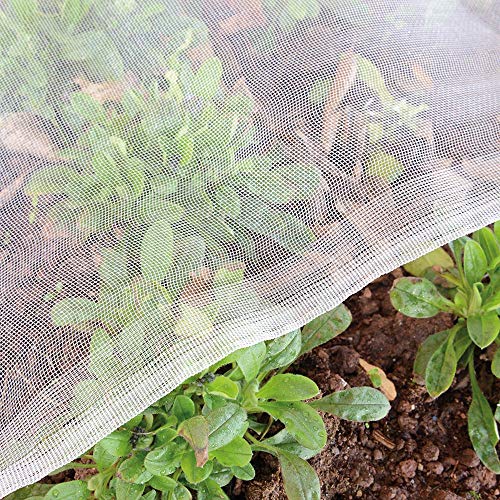
🥬Effective Bug Barrier: Protecting plants and vegetables from a wide range of pest insects and animals, such as cicadas, carrot fly and many species of aphids, you will get a healthier and happier garden
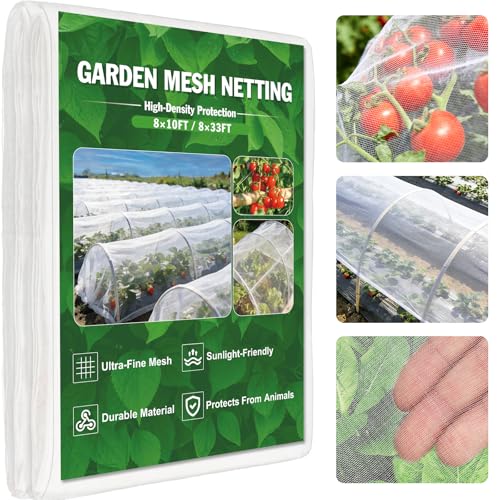
【Upgraded Fine Mesh Netting】This fine mesh garden netting uses 0.7*0.8mm high-density garden insect netting to block, birds, and small animals, offering reliable plant protection netting for vegetables and flowers
Conclusion
Growing cucumbers may present challenges, but with the right strategies in place, you can overcome them and enjoy a bountiful harvest. By implementing pest control methods, disease prevention measures, and proper environmental management techniques, you can ensure the health and productivity of your cucumber plants. Remember to maintain plant spacing, provide adequate support, and harvest at the optimal time for the best results. With a little effort and attention to detail, you’ll be able to savor the fresh taste of homegrown cucumbers in no time. Happy gardening!
Frequently Asked Questions
What are common challenges when growing cucumbers?
Growing cucumbers can face challenges like pest infestations, diseases, and environmental stress.
How to combat pest infestations in cucumbers?
Combat pest infestations by using row covers for cucumber beetles and introducing natural predators for aphids.
What disease prevention measures can be taken for cucumbers?
Prevent diseases by applying fungicide early for powdery mildew and practicing crop rotation to prevent bacterial wilt.
How to manage environmental stress for cucumbers?
Manage environmental stress by providing shade during extreme heat and proper watering to prevent issues like blossom end rot.
What are some tips for successful cucumber growth?
Maintain plant spacing, use support structures for vertical growth, and harvest cucumbers at the right time to avoid bitterness.
