

Ever wondered if you could turn that store-bought cucumber into a thriving cucumber plant right in your garden? Picture this: you’re slicing a fresh cucumber for your salad, and suddenly it hits you – “Can I actually grow cucumbers from this very cucumber?” Well, the answer is a resounding yes!
Selecting the Right Cucumber
When it comes to growing cucumbers from a store-bought one, selecting the right cucumber is crucial for success. Here’s what you should consider:
- Variety: Choose a fresh cucumber of a variety that thrives in your climate.
- Organic Preference: Opt for an organic cucumber to reduce the risk of introducing harmful chemicals into your garden.
Recommended Products

CUCUMBER LOVERS COLLECTION: This pack is perfect for cucumber enthusiasts, offering a mix of varieties ideal for fresh eating, pickling, and unique flavors. With options ranging from classic slicing cucumbers to specialty types, this collection ensures a bountiful and refreshing harvest.

USDA CERTIFIED ORGANIC VEGETABLES: Enjoy 100% clean, non-GMO heirloom crops grown from seed. Certified organic by Oregon Tilth, this open-pollinated variety pack ensures your home garden yields healthy, chemical-free organic vegetables directly to your table.

Extracting the Seeds
When extracting cucumber seeds, start by choosing a ripe cucumber – it’s key for viable seeds.
- Cut the cucumber lengthwise and scrape the seeds out with a spoon.
- Place the seeds in a bowl and rinse them under water to remove any pulp.
- Dry the seeds thoroughly by spreading them on a paper towel for a few days.
For successful seed extraction, choose healthy seeds from a quality cucumber.
| Important Data |
|---|
| Choose a ripe cucumber for seed extraction |
| Rinse seeds thoroughly to remove pulp |
| Dry seeds on a paper towel for a few days |
Preparing the Seeds for Planting
When it comes to growing cucumbers from a cucumber, the key is in properly preparing the seeds for planting. Here’s how to ensure your seeds are ready to thrive:
- Step 1: Rinse the Seeds: Start by rinsing the cucumber seeds under cool water to remove any remaining pulp.
- Step 2: Dry the Seeds: Once rinsed, lay the seeds out on a paper towel or a plate to dry completely. This could take a few days, so be patient.
- Step 3: Label the Seeds: To stay organized, consider labeling your seeds with the cucumber variety and the date they were harvested.
- Step 4: Proper Storage: Store the dried cucumber seeds in a cool, dark place until you are ready to plant them.
By following these simple steps, you’ll ensure that your cucumber seeds are well-prepared for planting.
Planting and Growing the Cucumber Seeds
Recommended Products

EASIER SEED STARTING: Our Burpee SuperSeed tray with 36 flexible pop-out cells is designed to simplify indoor seed starting for all your favorite vegetables, flowers and herbs. Just add seed starting mix, seeds, water and light to get growing! Rows are labeled alphanumerically for seedling identification with included Plant-o-Gram diagram. Tray dimensions: 11.5" x 10-3/8" x 2-1/4"

Upgraded with Adjustable Ventilation - Gardzen seed starter tray has been newly upgraded with two air vents added to the top, allowing you to easily adjust the ventilation for optimal seed growth. Say goodbye to stagnant air and hello to thriving plants!

Promotes Healthy Root Development: Each cell measures 1.5" square by 2.25" deep, designed to promote healthy root development and ensuring your seedlings get a strong start for robust growth.
Planting the Seeds
- Plant 1 to 2 cucumber seeds in each hole, about 1 inch deep in well-draining soil.
- Space cucumber hills 36 to 60 inches apart to allow for vine growth.
Providing Proper Care
- Ensure the soil is consistently moist, watering regularly but avoid over-watering.
- Fertilize every 3 weeks with a balanced fertilizer to support growth.
Managing Pests and Diseases
- Watch for common cucumber pests like aphids and cucumber beetles. Hand-pick pests or use insecticidal soap as needed.
- Prevent diseases like powdery mildew by spacing plants properly for adequate air circulation.
- Cucumbers are typically ready for harvest 50-70 days after planting.
- Pick cucumbers regularly to encourage more fruit production.
| Important Facts | Data |
|---|---|
| Time to Harvest Cucumbers | 50-70 days |
| Depth to Plant Cucumber Seeds | 1 inch |
| Space Between Cucumber Hills | 36-60 inches |
Caring for Your Cucumber Plant
Cucumbers are relatively easy to grow, but they still require consistent care to thrive. Here are some essential tips to ensure your cucumber plant stays healthy and yields a bountiful harvest:
- Watering: Keep the soil consistently moist but not waterlogged. Water at the base of the plant to avoid wetting the foliage.
- Fertilizing: Feed your cucumber plant every 3 weeks with a balanced fertilizer. This will provide the necessary nutrients for healthy growth.
- Pruning: Remove any dead or yellowing leaves to promote air circulation and reduce the risk of diseases.
- Support: If you’re growing vining varieties, consider providing trellises or stakes for them to climb. This will keep the fruit off the ground and promote straighter cucumbers.
- Pest Control: Keep an eye out for common pests like aphids and cucumber beetles. If you spot them, consider hand-picking or using insecticidal soap for control.
- Disease Prevention: To prevent diseases like powdery mildew, ensure proper plant spacing and avoid overhead watering. Adequate airflow can also help prevent issues.
Remember, healthy soil, adequate sunlight, and regular monitoring are key to successful cucumber growth. By following these tips, you’ll be on your way to enjoying fresh, homegrown cucumbers in no time.
Recommended Products
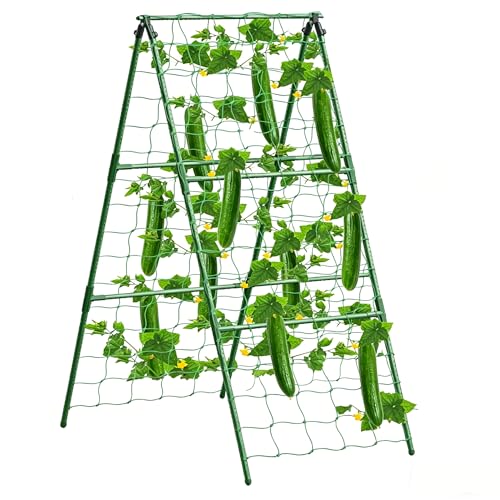
【Package included】:This Trellis for Climbing Plants Outdoor comes complete with everything you need to get started: 17pcs metal stakes, 8pcs T shape connect pipe, 2 A-shaped connectors, and a 0.9x1.8meter plant net.

Sturdy and Easy to Use: Crafted from premium, durable materials, our 2-pack of 48-inch moss poles empowers your climbing plants with reliable support while ensuring hassle-free installation

[DURABLE AND STURDY] Crafted from robust hollow steel, this garden stakes features a fade-resistant green plastic coating, offering reliable protection against wind, rain, and rust. With anti-slip ridges, it's easy to tie on plant ties, aiding in plant climbing. the pointed bottom design of tomato stakes enables effortless soil insertion, ensuring a secure anchoring effect with minimal effort
Conclusion
You now have the knowledge to successfully grow cucumbers from a single cucumber. By following the tips provided in this article, you can ensure your cucumber plants thrive. Remember to water consistently, fertilize every 3 weeks, prune dead leaves, offer support for vining varieties, and monitor pests and diseases. Healthy soil, ample sunlight, and proper care are key to a bountiful cucumber harvest. Enjoy the process of nurturing your cucumber plants and watch them flourish in your garden. Happy gardening!
Frequently Asked Questions
How often should I water my cucumber plants?
Water your cucumber plants consistently to keep the soil evenly moist. In general, aim to provide about 1-2 inches of water per week.
How frequently should I fertilize my cucumber plants?
Fertilize your cucumber plants every 3 weeks with a balanced fertilizer to ensure they have the nutrients needed for healthy growth and fruit production.
Should I prune my cucumber plants?
Yes, prune your cucumber plants by removing any dead or yellowing leaves to promote airflow and prevent disease spread.
Do cucumber plants need support while growing?
Provide support, such as trellises or stakes, for vining cucumber varieties to help them grow upward and prevent fruit from touching the ground.
How can I control pests like aphids and cucumber beetles on my cucumber plants?
Monitor your plants regularly for pests and use natural methods like spraying them off with water or applying insecticidal soap to control infestations.
How can I prevent diseases like powdery mildew on my cucumber plants?
Prevent diseases like powdery mildew by ensuring proper spacing between plants for good airflow and treating early signs with fungicides if necessary.
What are the key factors for successful cucumber plant growth?
Ensure your cucumber plants have healthy soil, receive sufficient sunlight, and are regularly monitored for pests, diseases, and watering needs to promote successful growth.
