

Selecting the Right Cucumber Varieties
When choosing cucumber varieties, consider factors like size, shape, and flavor. Here are some popular options to consider:
- Pickling Cucumbers: Ideal for making pickles due to their small size and crisp texture.
- Slicing Cucumbers: Perfect for fresh consumption in salads or sandwiches.
- Burpless Cucumbers: These have a mild flavor and are easy to digest.
It’s important to know your preferences and intended use for the cucumbers. Don’t forget to consider your climate and growing conditions when making your selection.
| Cucumber Type | Size | Flavor | Best Use |
|---|---|---|---|
| Pickling | Small | Crisp | Pickling |
| Slicing | Medium | Refreshing | Fresh Consumption |
| Burpless | Varies | Mild | Multi-purpose |
Providing the Ideal Growing Conditions
To ensure successful growth, cucumber plants require specific conditions. Here’s what you need to focus on:
- Sunlight: Plant your cucumbers in an area that receives 6-8 hours of sunlight daily.
- Soil Quality: Opt for well-draining soil rich in organic matter to promote healthy root development.
- Watering: Keep the soil consistently moist but not waterlogged to prevent issues like bitter-tasting cucumbers.
- Temperature: Cucumbers thrive in warm weather with temperatures around 70-85°F.
Creating the right environment for your cucumber plants is key to a bountiful harvest.
Planting Cucumber Seeds or Seedlings
When planting cucumber seeds, start indoors a few weeks before the last frost date. Plant the seeds 1 inch deep in small pots. Keep the soil consistently moist and ensure the pots receive plenty of sunlight.
Transplanting cucumber seedlings should be done when they have at least two sets of true leaves. Space the seedlings about 1-2 feet apart in well-draining soil with a pH level between 6-7. Water the seedlings gently to avoid disturbing the roots.
For direct planting, wait until after any threat of frost has passed. Plant the seeds in mounds, spacing them about 6-12 inches apart. Consider using mulch to retain moisture and suppress weeds.
- Seed Planting Depth: 1 inch
- Seedling Spacing: 1-2 feet apart
- Soil pH Level: 6-7
- Direct Planting Spacing: 6-12 inches apart
Remember, proper planting techniques ensure a strong start for your cucumber plants.
Recommended Products
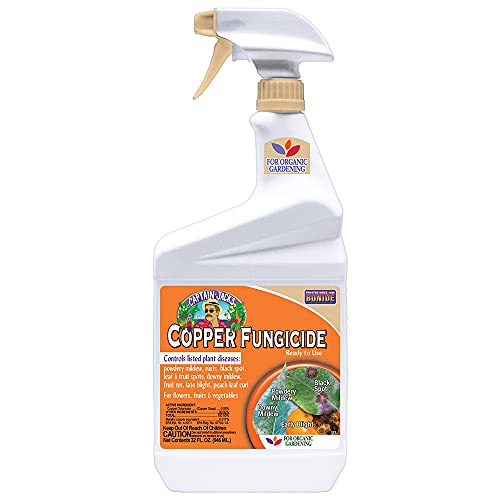
Control fungus and disease in your garden with Captain Jack’s ready-to-use Liquid Copper Fungicide!

3-in-1 FORMULA: Aphid spray for outdoor plants for use on roses, flowers, shrubs and trees to control listed insects, disease and mites

3-IN-1 PLANT CARE: 3-In-1 Insect, Disease & Plant Mite Control provides insect control, disease control, and plant mite control all in one; Rainproof protection starts in 4 hours and lasts up to 14 days
Watering and Fertilizing Cucumber Plants
To keep your cucumber plants healthy and thriving, adequate watering is key. Here’s what you need to know:
- Frequency: Water deeply once a week, providing about 1-1.5 inches of water.
- Consistency: Ensure even moisture levels to prevent stress and promote fruit development.
- Avoid Overwatering: Soggy soil can lead to root rot, so let the soil dry slightly between waterings.
When it comes to fertilizing, feeding your plants properly can make a significant difference. Here are some tips:
- Start Early: Begin by enriching the soil with compost or a balanced fertilizer before planting.
- Regular Feeding: Fertilize your cucumber plants every 3-4 weeks to support continuous growth.
- Nitrogen Boost: Use a fertilizer high in nitrogen to encourage healthy foliage development.
By following these watering and fertilizing practices, you’ll set your cucumber plants up for success.
Recommended Products

🥒 EXPERTLY CRAFTED FOR CUCUMBER PRODUCTIVITY – Gardenera LIQUID POWER Cucumbers Fertilizer is designed to enhance vine growth, flowering, and high-yield fruiting for all cucumber types, including slicing, pickling, and greenhouse varieties.

BIGGER PLANTS: Miracle-Gro Water Can Singles All Purpose Plant Food is a water soluble plant fertilizer that grows plants twice as big (vs unfed plants)

Feed Your Vegetable and Herb Plants: Miracle-Gro Water Soluble Plant Food Vegetables & Herbs and feeds vegetable plants including tomatoes, peppers, basil and more for an amazing harvest
Managing Pests and Diseases
Dealing with pests and diseases is crucial to ensure your cucumber plants thrive and produce a bountiful harvest.
Pests:
- Common pests that can harm cucumber plants include aphids, spider mites, and cucumber beetles.
- One way to manage pests is by regularly inspecting your plants for any signs of infestation.
- You can control pests by using natural remedies like neem oil or insecticidal soap.
- Another effective method is attracting beneficial insects that prey on harmful pests, such as ladybugs and lacewings.
Diseases:
- Cucumber plants are susceptible to fungal diseases like powdery mildew and bacterial infections such as bacterial wilt.
- To prevent diseases, ensure good air circulation around plants and avoid overhead watering.
- If you notice any signs of disease, promptly remove and dispose of infected plant parts to prevent further spread.
- Consider using disease-resistant cucumber varieties to minimize the risk of infections.
- Implementing an Integrated Pest Management plan can help safeguard your cucumber plants from pests and diseases sustainably.
- IPM focuses on prevention first, using methods like crop rotation, companion planting, and biological controls.
- Monitor your plants regularly to catch any issues early and take appropriate action.
Remember, staying vigilant and proactive in managing pests and diseases is key to promoting the health and vitality of your cucumber plants.
Conclusion
You’ve learned the importance of managing pests and diseases to ensure your cucumber plants thrive. By implementing natural remedies and attracting beneficial insects, you can effectively control common pests like aphids and cucumber beetles. When it comes to diseases, maintaining good air circulation and prompt removal of infected parts can help combat issues like powdery mildew and bacterial infections. Remember to focus on prevention through methods like crop rotation and biological controls as part of your Integrated Pest Management plan. Regular monitoring and proactive measures will be key in protecting the health and vitality of your cucumber plants. Happy gardening!
Frequently Asked Questions
What are the common pests that affect cucumber plants?
Common cucumber pests include aphids and cucumber beetles, which can hinder plant growth and reduce yield.
How can I control pests on my cucumber plants?
You can use natural remedies like insecticidal soap, neem oil, or introduce beneficial insects such as ladybugs to control pest populations effectively.
What are the common diseases that cucumber plants may suffer from?
Cucumber plants are susceptible to fungal diseases like powdery mildew and bacterial infections, which can weaken the plants and affect fruit production.
How can I prevent and manage diseases in my cucumber plants?
Maintain good air circulation, water plants at the base, and promptly remove any infected plant parts to prevent the spread of diseases.
What is Integrated Pest Management (IPM), and how does it benefit cucumber plants?
IPM is a holistic approach that combines prevention methods like crop rotation, cultivating disease-resistant varieties, and using biological controls to manage pests effectively while minimizing environmental impact.
How can I ensure the health and vitality of my cucumber plants?
Regularly monitor your plants for signs of pests and diseases, implement proactive measures such as IPM strategies, and provide proper care including sufficient water, sunlight, and nutrients to keep your cucumber plants healthy and productive.
