

Ever wondered what it takes to grow your own crunchy cucumbers right in your backyard? Picture this: you stroll outside, pluck a fresh cucumber off the vine, and enjoy its crispness in your salad. Sounds tempting, doesn’t it?
In this article, you’ll uncover the secrets to cultivating your very own cucumbers effortlessly. Say goodbye to store-bought veggies and hello to the satisfaction of harvesting your homegrown produce. Get ready to savor the taste of success as you learn the ins and outs of nurturing these green gems in your garden.
By the end of this read, you’ll be equipped with the knowledge and confidence to cultivate your cucumber patch like a pro. Get your gardening gloves on, and let’s dive into the rewarding journey of growing your cucumbers from scratch.
Choosing the Right Cucumber Variety
When selecting a cucumber variety for your garden, consider factors like your climate, available space, and taste preference. Here’s how to choose the perfect cucumber type for your patch:
- Cucumber Types:
- Slicing Cucumbers: Ideal for fresh eating, salads, and sandwiches.
- Pickling Cucumbers: Best for pickling due to their firm texture and size.
- Burpless Cucumbers: Great for those sensitive to cucumber-induced digestive issues.
- Climate Suitability:
- Warm Climates: Opt for heat-tolerant varieties like Marketmore or Straight Eight.
- Cooler Climates: Consider varieties such as Diva or Lemon for better performance.
- Space Consideration:
- Container-Friendly: Pick compact varieties like Spacemaster for small gardens or containers.
- Vining Varieties: Choose space-saving trellis-friendly cucumbers like Boston Pickling.
- Taste Profiles:
- Bitter vs. Sweet: Decide if you prefer a mild, sweet taste (e.g., Sweet Success) or a slightly bitter flavor (e.g., Armenian cucumbers).
Recommended Products
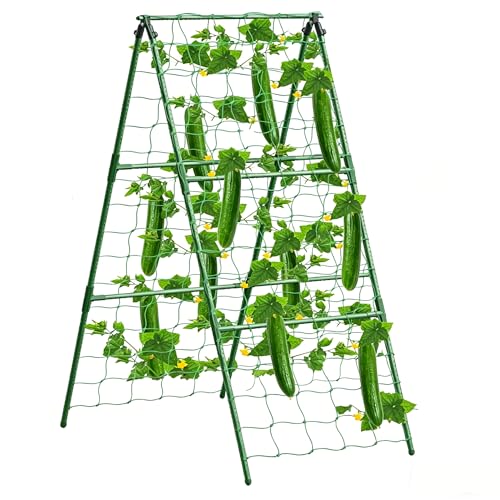
【Package included】:This Trellis for Climbing Plants Outdoor comes complete with everything you need to get started: 17pcs metal stakes, 8pcs T shape connect pipe, 2 A-shaped connectors, and a 0.9x1.8meter plant net.

【Multi-Function】 Tall Tomato Cage-Each tomato cage can be adjusted from 16inches to 47 inches in height,suit for different growth stages of plants, offering versatile supports for a wide variety of tomato plants, ensuring they grow tall and strong.

Small Tomato Cage for Pots: Each package contains 3 sturdy plant support cages and 10 pcs plant clips; Support sticks height: 18 inches, adjustable rings diameter: 5.5 inch, 6.2 inch, 7.1 inch; Perfect for small or medium size plants, starter plants
Selecting the Ideal Planting Location
When selecting the ideal spot for planting your cucumbers, sunlight is key. Aim for a location that receives 6-8 hours of direct sunlight daily.
Ensure proper drainage in the chosen area to prevent waterlogging, which can harm the roots of your cucumber plants.
Consider proximity to a water source for easy watering. Cucumbers require consistent moisture throughout their growth cycle.
Choose a location sheltered from strong winds to prevent damage to the delicate vines as they grow and climb.
Keep in mind the size of the cucumbers’ vines – ensure there is ample space for them to spread out or grow vertically if using trellises.
Remember, a well-thought-out planting location sets the foundation for the successful growth of your cucumber plants.
Preparing the Soil for Planting
When prepping the soil for planting cucumbers, consider these steps:
- Test the soil to know its pH levels.
- Ideal pH for cucumbers is between 6.0 and 7.0.
- Amend soil with compost for added nutrients.
- Ensure good drainage to prevent waterlogging.
- Loosen the soil to about 12 inches deep.
- Remove weeds to reduce competition for nutrients.
- Add mulch to retain moisture and suppress weeds.
Remember, healthy soil sets the foundation for thriving cucumber plants.
Planting Cucumber Seeds or Seedlings
To start growing your cucumbers, you’ll need to decide whether to plant seeds or seedlings. Here’s what you need to know:
- Cucumber Seeds:
- Plant seeds directly in the ground once the soil has warmed to at least 70°F.
- Sow the seeds about an inch deep and 4-6 inches apart in rows.
- Keep the soil consistently moist until the seeds germinate.
- Thin out the weaker seedlings to allow proper spacing.
- Cucumber Seedlings:
- If you opt for seedlings, start them indoors 3-4 weeks before the last frost date.
- Harden off the seedlings before transplanting them outdoors.
- Transplant them into well-prepared soil with a spacing of 12-36 inches between plants.
- Water seedlings after transplanting to help them establish in their new environment.
Planting cucumbers from seeds or seedlings is a crucial step in your gardening journey.
Recommended Products
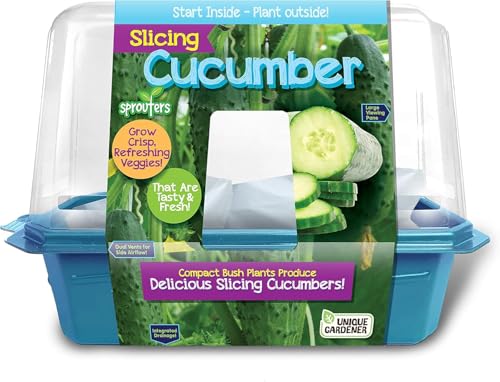
UNMATCHED FRESHNESS AND FLAVOR: Imagine savoring cucumbers straight from your home garden, bursting with flavor and crispness that store-bought veggies just can't match. By growing your cucumbers, you ensure a supply of fresh, and crisp cucumbers not go well with any dish.

Graphene Seed Heat Mat for Faster Germination: Compared to traditional electric heating mats, our graphene heat mat heats up faster and more evenly, with a built-in timer for convenience. It creates the ideal environment for indoor seed starting trays, greenhouse seed germination, and hydroponic plant propagation. Designed for indoor gardening, this waterproof and reusable heat mat accelerates growth and improves seedling survival rates.

Vegetable seeds variety pack: Grow 35 varieties of leafy greens, root vegetables, tomatoes, peppers, beans, peas, squash, melons, and more. Includes 16,000+ vegetable seeds for planting outdoors in raised beds, garden rows, or containers.
Caring for Your Cucumber Plants
To ensure your cucumber plants thrive, here are some essential care tips for a bountiful harvest:
- Watering: Keep the soil consistently moist, especially during hot weather.
- Fertilizing: Feed your plants with a balanced fertilizer every 3-4 weeks to promote healthy growth.
- Support: Consider using trellises or cages to support your cucumber vines and keep the fruit off the ground.
- Pest Control: Monitor for signs of pests like aphids or cucumber beetles. Consider natural remedies or insecticidal soap if needed.
- Pruning: Remove any yellow or diseased leaves to promote air circulation and prevent the spread of diseases.
- Harvesting: Pick cucumbers regularly once they reach the desired size to encourage more fruit production.
| Average Watering Needs: | 1-1.5 inches of water per week |
|---|---|
| Common Pests: | Aphids, cucumber beetles |
| Harvesting Time: | 50-70 days after planting |
Harvesting Your Cucumbers
Growing your cucumbers has been an exciting journey, and now it’s time to reap the rewards of your hard work. Harvesting your cucumbers at the right time ensures optimal flavor and texture. Here are some essential tips to guide you in this final step:
- Monitoring Size: Check your cucumbers daily once they reach 6-8 inches in length. Harvesting at this size ensures they are at their peak flavor and crunchiness.
- Frequent Harvest: It’s important to harvest your cucumbers regularly to encourage new fruit production. Aim to harvest every 2-3 days during peak growing season.
- Use Scissors or Pruners: When harvesting, use sharp scissors or pruners to cut the cucumber stem. Avoid pulling or twisting the fruit to prevent damage to the plant.
- Harvesting Timing: Cucumbers are typically ready for harvest within 50-70 days after planting, depending on the variety. Refer to the seed packet or plant label for specific guidelines.
- Check Color: Look for vibrant green cucumbers with a firm texture. A dull or yellowish color indicates overripeness, while a pale green hue suggests underripeness.
- Taste Test: If you’re unsure about the readiness of your cucumbers, do a taste test. Cucumbers should be crisp, mildly sweet, and free of bitterness when ready to harvest.
Conclusion
You now have all the essential care tips for growing delicious cucumbers. Remember to monitor soil moisture, provide proper fertilization, offer support as needed, keep an eye out for pests, prune when necessary, and harvest regularly. Don’t forget to water your plants adequately and be vigilant against common pests. When it’s time to harvest, pay attention to size, use the right tools, pick at the right time, check for ripeness by color, and conduct taste tests for the best flavor. By following these steps, you’ll ensure a bountiful cucumber harvest and savor the satisfaction of growing your own fresh produce. Happy gardening!
Frequently Asked Questions
1. What are the key care tips for cucumber plants?
Cucumber plants require adequate soil moisture, regular fertilization, sturdy support for climbing, monitoring for pests, strategic pruning, and consistent harvesting.
2. How should I water my cucumber plants?
Water cucumber plants consistently to maintain soil moisture, ensuring it is evenly moist but not waterlogged. Water at the base of the plants in the morning to prevent foliage diseases.
3. How do I identify and control common pests on cucumber plants?
Monitor for common pests like aphids, cucumber beetles, and spider mites. Use organic insecticidal soap or neem oil to control infestations while preserving beneficial insects.
4. When is the ideal time to harvest cucumbers?
Harvest cucumbers when they reach the appropriate size for the variety, have a vibrant color, firm texture, and are easy to snap off the vine.
5. What are the best practices for harvesting cucumbers?
Harvest cucumbers frequently to encourage new fruit production, use clean and sharp tools to avoid damaging the plant, and taste-test for optimal flavor and texture.
