

Ever wondered why your cucumber plants aren’t thriving as you hoped? Are you struggling to find the right balance when it comes to watering them? Picture this: you diligently care for your cucumber plants, but they still seem to be underperforming. Don’t worry, you’re not alone in this dilemma.
In this article, you’ll uncover the secrets to providing the perfect amount of water for your cucumber plants. By understanding the precise watering needs of your cucumbers, you can ensure they flourish and yield a bountiful harvest. Stay tuned to learn how to avoid common watering mistakes and nurture your cucumber plants to their full potential.
Importance of Proper Watering for Cucumber Plants
Effective watering is crucial for the optimal growth and development of your cucumber plants. Water plays a vital role in nourishing the plant, helping it absorb nutrients and maintain its overall health.
- Regular watering ensures that your cucumber plants stay hydrated and promotes fruit development.
- Inconsistent watering can lead to issues like bitter-tasting fruit and poor yields.
- Overwatering can suffocate roots and create conditions for diseases to thrive.
Proper drainage is just as important as the right amount of water. Good drainage prevents waterlogged soil, which can cause root rot and dehydration.
- Monitor your soil’s moisture levels regularly to find the balance between underwatering and overwatering.
- During hot weather, you may need to water more frequently to prevent dehydration.
- Utilize mulch to help retain moisture and reduce the frequency of watering.
Remember, each cucumber plant’s watering needs may vary based on environmental factors, so it’s essential to observe your plants and adjust your watering routine accordingly.
Signs of Underwatering in Cucumber Plants
If you notice any of these signs, your cucumber plants may be underwatered:
- Wilting leaves and stems
- Drooping or withering foliage
- Slow or stunted growth
- Dry and crispy leaves
- Shriveling or yellowing of leaves
- Reduced fruit production
Remember, cucumber plants need consistent moisture for optimal growth. Keep an eye out for these signs to ensure your plants are thriving.
Signs of Overwatering in Cucumber Plants
- Yellowing Leaves: One common sign of overwatering is yellowing leaves, particularly if it starts from the bottom of the plant.
- Wilting: While it may sound counterintuitive, overwatered plants can also show signs of wilting due to stressed roots.
- Edema: This may manifest as blister-like bumps on leaves, indicating excess water intake by the plant.
- Mold Growth: Overwatering can create a hospitable environment for mold and mildew, so keep an eye out for any fuzzy growth on leaves or stems.
- Stunted Growth: Too much water can hinder nutrient uptake, leading to slowed growth despite adequate sunlight and nutrients.
- Root Rot: Excessive moisture can cause roots to rot, impacting the plant’s ability to absorb water and nutrients efficiently.
| Yellowing Leaves | Wilting | Edema | Mold Growth | Stunted Growth | Root Rot |
|---|---|---|---|---|---|
| Could start from the bottom | Signs of stress | Blisters on leaves | Fuzzy growth | Hindered nutrient uptake | Rotting roots |
Remember to adjust your watering routine based on the specific needs of your cucumber plants to ensure optimal growth and health.
Recommended Products
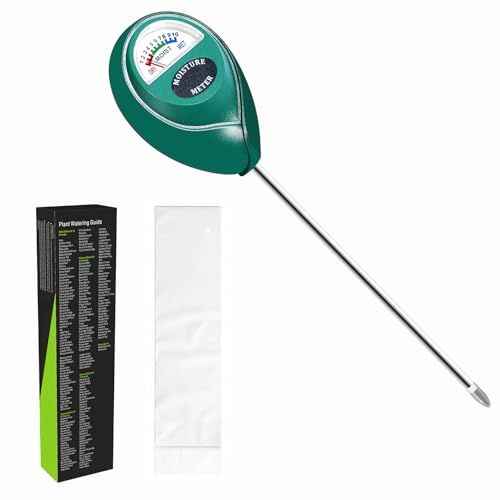
Trusted Since 2015: Become one of the many plant lovers who rely on the proven accuracy of XLUX. Established in 2015, our soil moisture meter has earned over 60,000+ verified ratings for its consistent performance. While many many newer brands come and go, we provide the long-term reliability and quality that American households have trusted for over a decade.
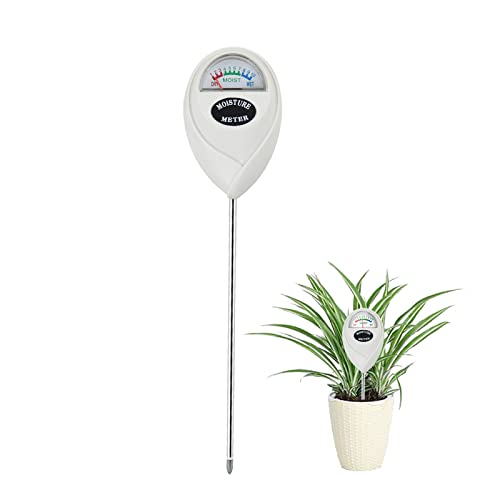
【SAVE YOUR PLANTS】: Over watering can cause problems with your plants or even kill them. This soil moisture meter helps you know the soil is dry, moist or wet.No more over watering!

✔️Accurate - A helpful tool of water meter for indoor plants which senses the moisture in the soil around plants. No more guess if the plant needs more or less water
Best Watering Practices for Cucumber Plants
When it comes to watering your cucumber plants, consistency is key for their health and productivity. Here are some best practices to ensure your cucumbers thrive:
- Deep watering: Ensure the soil is moistened at least 6-8 inches deep with each watering session.
- Morning watering: Water plants early in the day to allow foliage to dry, reducing the risk of diseases.
- Avoiding wet foliage: Direct water at the base of the plants to prevent leaf fungal issues.
Remember, proper watering is essential for the optimal growth and fruit development of your cucumber plants.
Recommended Products

WORRY-FREE VACATION PLANT SELF-WATERING SYSTEM: Never worry about your indoor plants while traveling. This automatic irrigation system acts as a reliable plant sitter for up to 15 pots,comes with 33 FT tube kit. Ideal for busy professionals, frequent travelers, or anyone needing reliable absentee plant management without relying on neighbors. NOTE: One fully charge can work 30+ Days by Setting watering Time 30 Sec Per Day,suitable for outdoor too.

【👍𝗞𝗡𝗢𝗪 𝗧𝗛𝗘 𝗡𝗘𝗫𝗧 𝗪𝗔𝗧𝗘𝗥𝗡𝗚 𝗧𝗜𝗠𝗘 𝗔𝗧 𝗔 𝗚𝗟𝗔𝗡𝗖𝗘】Our large LCD screen displays both your watering interval settings and the next scheduled watering time, so you can easily confirm when your plants will be watered again. No guessing, no manual calculation — just easier plant care when you’re busy or away.

Customizable Watering Schedules: Moistenland drip irrigation kits come with timers that allow you to set specific watering schedules. You can program the system to water your plants at the optimal times, even when you're not around. What's more, with internal clock, you can set a when you want to start to watering plants.
Conclusion
You’ve learned the critical role that proper watering plays in the growth and fruit development of cucumber plants. Remember, consistent watering is key to preventing issues like bitter fruit and low yields. By monitoring soil moisture, adjusting watering frequency in hot weather, and using mulch, you can ensure your cucumber plants thrive. Look out for signs of both underwatering and overwatering to maintain plant health. Deep watering, morning watering, and keeping foliage dry are essential practices for optimal cucumber plant productivity. Implement these strategies to enjoy a bountiful cucumber harvest!
Frequently Asked Questions
How crucial is proper watering for cucumber plants?
Proper watering is essential for cucumber plants as it directly impacts their growth and fruit development. Inconsistent watering can lead to issues like bitter fruit and poor yields.
What are the consequences of overwatering cucumber plants?
Overwatering cucumber plants can result in root suffocation and increased susceptibility to diseases. It is crucial to find the right balance to ensure optimal growth and health.
What strategies can be used to ensure proper watering for cucumber plants?
Monitoring soil moisture levels, adjusting watering frequency during hot weather, and using mulch can help maintain adequate moisture levels for cucumber plants.
How can one identify if cucumber plants are underwatered or overwatered?
Signs of underwatering include wilting and dry soil, while overwatering may manifest as yellowing leaves and waterlogged soil.
Are there any specific tips for watering cucumber plants effectively?
Deep watering is essential to encourage strong root growth. Watering in the morning can help prevent diseases, and it is advisable to avoid wetting the foliage to promote optimal plant health and productivity.
