

Tired of finding your cucumbers nibbled on by uninvited guests? Ever wondered how to keep those pesky pests away from your precious cucumber plants? In this article, you’ll discover simple yet effective strategies to safeguard your cucumbers and ensure a bountiful harvest.
Imagine stepping into your garden to find flourishing cucumber plants, untouched by pests, and ready to yield a plentiful supply of crisp, fresh cucumbers. With our tips and tricks, you can turn this dream scenario into a reality. Say goodbye to damaged crops and hello to a thriving cucumber patch!
Ready to bid farewell to pest-related cucumber woes? Stay tuned as we unveil practical methods to protect your cucumbers from invaders, allowing you to enjoy a fruitful harvest season without the hassle of battling unwanted guests.
Identify Common Cucumber Pests
Identify Common Cucumber Pests
When it comes to protecting your cucumber plants, it’s crucial to familiarize yourself with the common pests that may threaten your harvest. By recognizing these invaders early on, you can take proactive steps to prevent damage and maintain a thriving cucumber patch. Here are some key pests to watch out for:
- Cucumber Beetles
- Aphids
- Spider Mites
- Powdery Mildew
Cucumber Pests Overview
Cucumber Beetles are easily identifiable by their yellow and black stripes and can transmit diseases to your plants. Aphids, on the other hand, are tiny, pear-shaped insects that suck sap from leaves, causing them to wilt and distort. Spider Mites are minuscule pests that create fine webbing on plants and feed on plant juices, leading to discoloration and stunted growth. Powdery Mildew manifests as a white powdery coating on leaves, affecting photosynthesis and overall plant health.
Signs of Infestation
- Irregular Holes in Leaves
- Yellowing or Wilting Leaves
- Fine Webbing on Plants
- White Powdery Residue on Leaves
Prevention and Control Tips
- Inspect plants regularly for signs of pests
- Implement crop rotation techniques
- Introduce beneficial insects like ladybugs
- Use neem oil or insecticidal soap as organic pest control
Implement Physical Barriers
When it comes to protecting your cucumber plants from pests, implementing physical barriers can be an effective strategy. Here’s how you can do it:
- Row Covers: Covering your cucumber plants with row covers can prevent pests like cucumber beetles and aphids from reaching them.
- Netting or Mesh: Use fine netting or mesh around your plants to keep pests such as birds and larger insects away.
- Mulching: Applying mulch around the base of your cucumber plants can create a barrier that discourages pests from infesting your plants.
- Barriers for Crawling Insects: Place physical barriers like copper tape or diatomaceous earth around the base of your plants to deter crawling pests.
- Protective Collars: Installing protective collars around the stems of your cucumber plants can prevent pests like cutworms from damaging them.
By incorporating physical barriers into your pest management strategy, you can significantly reduce the risk of pest infestations and protect the health of your cucumber plants.
| Row Covers | Netting/Mesh | Mulching | Barriers for Crawling Insects | Protective Collars |
|---|---|---|---|---|
| Effective against cucumber beetles and aphids | Keeps birds and larger insects at bay | Creates a barrier to discourage pests | Deters crawling pests like slugs and snails | Prevents damage from cutworms |
Recommended Products

※Big Size to cover large area : The size of our plant cover is 10x30ft, the size can cover large areas. You can cut the plant covers freeze protection into different sizes for different use. You can cover it over the plant such as shrub tomato, pepper, pumpkin, and so on.

[1.5oz/yd² Frost Cloth for Plant Freeze Protection]Made with 1.5oz/yd² per sq yd garden fabric, this frost cloth helps protect plants from frost, cold wind, and sudden temperature drops while allowing sunlight, air, and moisture to pass through.

※Big Size to cover large area : The size of our plant cover is 10x50ft, the size can cover large areas. You can cut the plant covers freeze protection into different sizes for different use. You can cover it over the plant such as shrub tomato, pepper, pumpkin, and so on.
Try Companion Planting
When protecting cucumbers from pests, companion planting is a beneficial strategy to consider. This involves growing certain plants near cucumbers to deter pests naturally. Here are some companion plants that can help safeguard your cucumber crop:
- Planting dill near cucumbers can repel pests like aphids and spider mites.
- Marigolds are effective in deterring nematodes and cucumber beetles.
- Nasturtiums can attract aphids away from cucumber plants.
- Borage can repel tomato hornworms and cabbage worms, benefiting nearby cucumbers.
- Radishes not only act as a trap crop for flea beetles but also help deter cucumber beetles.
By incorporating these companion plants into your garden, you can benefit cucumbers by reducing the risk of pest infestations.
Natural Pest Deterrents
Planting companion plants around your cucumber crops is a natural way to deter pests and promote plant health. Companion plants like dill, marigolds, nasturtiums, borage, and radishes can help keep away harmful insects.
Dill, for example, attracts beneficial insects that prey on pests like aphids and spider mites. Marigolds emit a strong scent that repels nematodes, while nasturtiums act as a trap crop for pests like cucumber beetles and flea beetles. Borage repels tomato hornworms, and radishes deter cabbage worms.
Companion planting with these plants can create a diverse ecosystem that supports the health and vitality of your cucumber plants.
Recommended Products
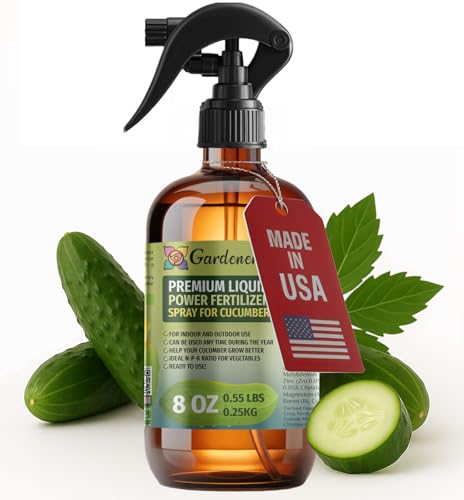
🌿 READY-TO-USE CONVENIENCE – Skip the hassle of measuring and mixing. This LIQUID POWER cucumber fertilizer spray comes fully premixed in an easy-to-use spray bottle, ready for immediate application to your garden or indoor plants.

Non-GMO & Organic Certified Seeds – Enjoy peace of mind with Marketmore Cucumber seeds that are USDA Certified Organic by OTCO and Non-GMO. Proudly grown in the USA, these seeds bring healthy, natural goodness straight to your garden.

🥒 EXPERTLY CRAFTED FOR CUCUMBER PRODUCTIVITY – Gardenera LIQUID POWER Cucumbers Fertilizer is designed to enhance vine growth, flowering, and high-yield fruiting for all cucumber types, including slicing, pickling, and greenhouse varieties.
Conclusion
Incorporating companion plants like dill, marigolds, nasturtiums, borage, and radishes can be a game-changer in protecting your cucumber plants from pests. By attracting beneficial insects that naturally prey on harmful pests, you’re creating a balanced ecosystem that supports the health and vitality of your cucumbers. Remember, a diverse garden is a resilient garden. So, next time you’re planning your cucumber crop, think about adding these companion plants to keep those pests at bay. Happy gardening!
Frequently Asked Questions
What are companion plants for cucumber crops?
Companion plants for cucumber crops include dill, marigolds, nasturtiums, borage, and radishes. These plants act as natural pest deterrents by attracting beneficial insects that prey on harmful pests like aphids, spider mites, nematodes, cucumber beetles, tomato hornworms, cabbage worms, and flea beetles.
How do companion plants help in deterring pests in cucumber crops?
Companion plants attract beneficial insects that feed on harmful pests, creating a balanced ecosystem that naturally controls pest populations. For example, marigolds repel nematodes, while dill attracts predatory insects that prey on cucumber beetles. By incorporating companion plants, cucumber crops are protected from destructive pests.
What is the benefit of using companion plants in cucumber farming?
Using companion plants in cucumber farming reduces the need for chemical pesticides, promotes biodiversity, and enhances soil health. These plants not only deter pests but also attract pollinators, improve nutrient uptake, and support the overall well-being of cucumber plants, leading to healthier yields and sustainable farming practices.
