

Ever wondered how to grow beets that are juicy and flavorful? Picture this: you’re in your kitchen, ready to cook a delicious meal, and you realize you’re out of fresh beets. What if you could step into your backyard and harvest your own vibrant beets whenever you needed them? In this article, you’ll discover simple yet effective techniques to cultivate your own beet garden right at home. Get ready to elevate your dishes with homegrown goodness!
Choosing the right beet variety
When selecting the right beet variety for your garden, it’s essential to consider a few key factors:
- Growth Conditions: Different beet varieties thrive in various growing conditions. Ensure you choose a variety that aligns with your climate and soil type.
- Taste Profile: Some beet varieties are known for their sweeter or earthier taste. Decide on a flavor profile that suits your culinary preferences.
- Purpose: Are you growing beets for fresh eating, canning, or pickling? Select a beet variety that best suits your intended use.
To help you get started, here are some popular beet varieties to consider:
| Variety | Growth Conditions | Taste Profile | Best Use |
|---|---|---|---|
| Detroit Dark Red | Versatile | Sweet | Fresh Eating |
| Golden | Thrives in various climates | Mild | Roasting |
| Chioggia | Cooler climates | Mild, slightly sweet | Salads, garnishes |
Recommended Products
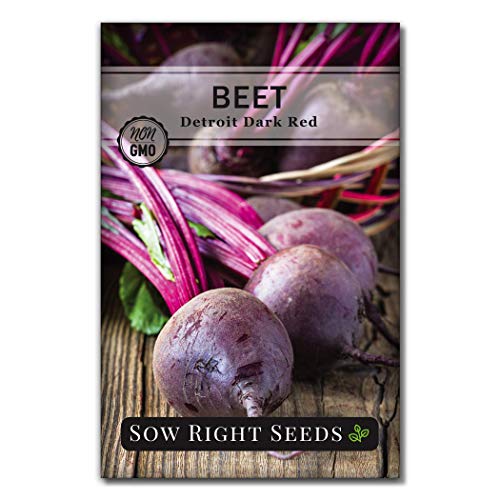
Beautiful - Large premium packet of Detroit Dark Red Beet (Beta var. ‘Detroit Dark Red’) seeds. Vivid, dark red 2-3" round beets have sweet flesh and tasty edible greens. This resilient variety can tolerate temperature variations, offering high productivity even in less-than-ideal soil conditions. Minimum of 1.5 g per packet (about 90 seeds).
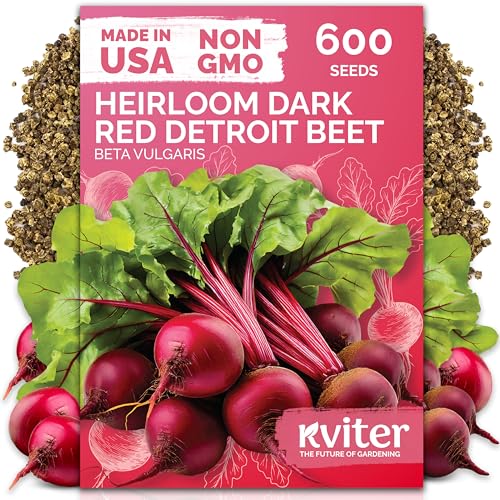
55-60 Day Harvest: Red beet seeds mature fast with tender 2-3 inch roots and sweet classic flavor; sow in loose, well-drained soil at 55-70 °F for best vegetable seeds results.

TOP-RATED NUTRITIONAL HEIRLOOM: Detroit Dark Red is a premium, high-yielding, and stress-resistant beet variety that stands at the pinnacle of root vegetables. This all-season favorite is a mid-early universal cultivar, perfect for consistent home harvests of professional quality.
Preparing the soil for beet cultivation
To ensure successful beet growth, start by preparing the soil in your garden. Here are some tips for getting your soil ready:
- Choose a sunny location with well-draining soil.
- Clear the area from any weeds or debris that might compete with your beets for nutrients.
- Loosen the soil to a depth of about 12 inches using a garden fork or tiller.
- Mix in compost to improve soil fertility and structure.
- Avoid adding too much nitrogen-rich fertilizers, as this can result in excessive leaf growth rather than root development.
Remember, healthy soil is key to healthy beet growth.
Recommended Products
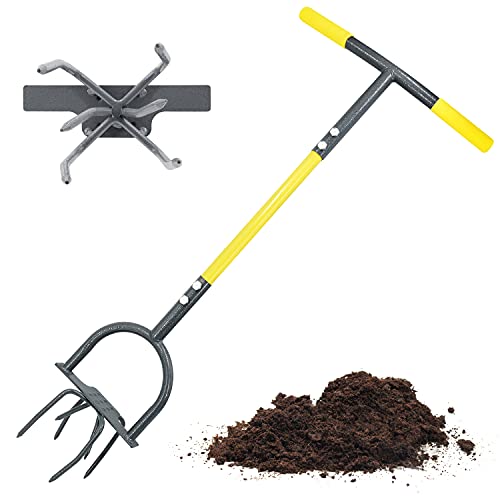
【Anti-Slip Foot Plate - Penetrate Soil with One Tread】- This manual hand tiller comes with anti-slip foot plate, maximize downward force of treading and penetrate into soil easily. The curved handle and long design reduce twisting effort and back strain, ideal for seniors or anyone with joint strain
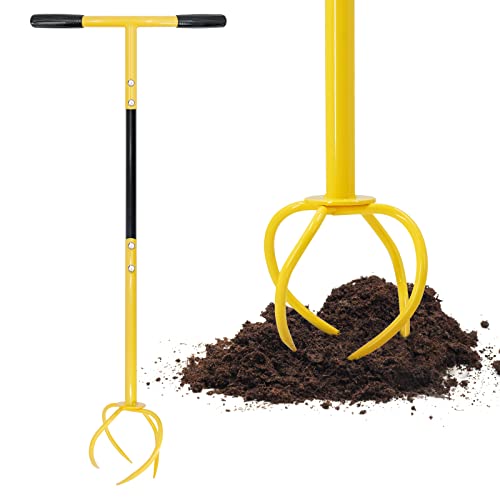
PROFESSIONAL GARDEN CLAW CULTIVATOR: 17.7" arc handle reduces the effort of twisting, using the force of your body to easily rotate sharp angled claw tines into hard compacted soil. Four arrow-tipped tines penetrate tough soil easily Cultivate, loosen, aerate, and weed your soil.

Wider And Longer Curve Of Tines: The tine is much longer wider than market other tools, digs deeper and wider save your working time and power
Planting beet seeds or seedlings
When planting beet seeds, make sure to sow them about 1 inch apart and 0.5 inches deep in rows spaced 12 to 18 inches apart. Once they sprout and reach about 2 inches tall, thin them to stand about 3 to 4 inches apart.
If you’re starting with seedlings, space them about 3 to 4 inches apart in rows spaced 12 to 18 inches apart. Transplant seedlings carefully to avoid damaging the roots.
Remember to water the seeds or seedlings gently after planting to ensure the soil is evenly damp. Beet plants thrive in moist soil, so regular watering is essential for their growth.
Consider using a mulch around your beet plants to retain moisture, suppress weeds, and regulate soil temperature. This can help in maintaining optimal growing conditions for your beets.
As your beet plants grow, keep an eye out for any pests or diseases. Inspect the leaves regularly for signs of damage or discoloration, and take appropriate measures to protect your plants from any threats.
Feel free to add a layer of compost around your beet plants during the growing season to provide them with nutrients for healthy growth.
Recommended Products

Miracle-Gro Indoor Potting Mix for Seed Starting grows stronger roots for seeding success (vs unfed when used as directed)

NUTRIENT-RICH, NATURAL, AND ORGANIC SOIL: Grow a bountiful garden in your home with the Back to the Roots All-Purpose Natural and Organic Peat-Free 3-in-1 Seed Starting Mix, packed with the nutrients needed for your plants, flowers, and vegetables to thrive

Includes Back to the Roots Compressed Seed Starting Potting Mix that expands to 12qt of soil. A balanced pH, which means it’s truly all-purpose. Use alone or as an amendment for anything in a pot or in the ground — vegetables, flowers, herbs, and even starting seeds.
| Seed Spacing | 1 inch apart |
|---|---|
| Seed Depth | 0.5 inches deep |
| Row Spacing | 12 to 18 inches apart |
| Seedling Spacing | 3 to 4 inches apart |
Providing proper care for beet plants
When caring for beet plants, there are several key factors to keep in mind to ensure their healthy growth and abundant yield:
- Watering: Beets need consistent moisture to thrive, so make sure to water regularly. Aim to keep the soil evenly moist, especially during dry spells.
- Mulching: Applying a layer of mulch around your beet plants helps retain moisture, regulate soil temperature, and suppress weeds. Consider using materials like straw, grass clippings, or leaf mold.
- Monitoring for Pests and Diseases: Keep a close eye on your beet plants for any signs of pests or diseases. Early detection can help prevent major damage. Consider using natural remedies or organic pest control methods.
- Nutrient Supply: Beets are heavy feeders and benefit from a nutrient-rich soil. Consider side-dressing with compost or a balanced fertilizer during the growing season to provide essential nutrients for robust growth.
Remember, maintaining consistent care for your beet plants is key to a successful harvest. By paying attention to their water, mulch, pest and disease management, and nutrient needs, you can enjoy a bountiful supply of delicious and nutritious beets from your garden.
Harvesting and storing your homegrown beets
To make the most of your homegrown beets, it’s crucial to harvest them at the right time and store them properly. Here’s what you need to know:
- Harvesting:
- Check size: Beets are typically ready for harvest when they reach about 1-3 inches in diameter.
- Gently pull: To harvest, grasp the beet greens near the base and gently pull the root out of the soil.
- Trim: After harvesting, trim the greens down to about an inch from the root to prevent moisture loss.
- Storing:
- Remove greens: Before storing, remove the beet greens as they draw moisture away from the root.
- Store in a cool place: Beets can be stored in the refrigerator or in a cool, dark place like a root cellar.
- Use within a few weeks: For the best flavor and texture, try to use your beets within a few weeks of harvesting.
By following these harvesting and storing tips, you can enjoy the fruits of your labor for weeks to come.
Conclusion
With proper care and attention, your beet plants will thrive and reward you with a bountiful harvest. Remember to keep up with watering, mulching, and monitoring for pests to ensure their health. When it’s time to harvest, follow the steps of checking size, gently pulling the roots, and storing them in a cool place for later use. By following these guidelines, you’ll be able to enjoy your homegrown beets for weeks to come, savoring their fresh flavor and texture. Happy gardening and enjoy the fruits of your labor!
Frequently Asked Questions
Q: How often should I water my beet plants?
A: Water beet plants consistently, ensuring the soil remains evenly moist but not waterlogged. Water deeply once or twice a week, adjusting based on weather conditions.
Q: Is mulching important for beet plants?
A: Yes, mulching helps retain soil moisture, suppresses weeds, and regulates soil temperature. Apply a layer of organic mulch around beet plants to benefit their growth.
Q: How should I monitor pests on my beet plants?
A: Regularly inspect beet plants for signs of pests like beet leafhoppers and flea beetles. Use organic pest control methods or insecticidal soap if needed.
Q: What nutrients are essential for healthy beet plants?
A: Ensure beet plants receive sufficient nitrogen, phosphorus, and potassium for healthy growth. Consider using a balanced fertilizer or compost to provide essential nutrients.
Q: When and how should I harvest my beets?
A: Harvest beets when they reach a desirable size, gently pulling them from the soil. Trim greens to an inch above the root for storage.
Q: How can I store harvested beets properly?
A: Store harvested beets in a cool, dark place with high humidity. Remove greens, place them in a perforated plastic bag in the refrigerator, and use them within a few weeks.
