

Ever found yourself wondering if your beets are ripe for the picking? Are you eagerly waiting to harvest those vibrant roots but unsure when the time is just right? Picture this: you’re in your garden, surrounded by lush greenery, and those beets are calling out to you. You want to savor the perfect moment to pluck them from the earth and enjoy their earthy sweetness.
In this article, you’ll uncover the secrets to determining the ideal time to harvest your beets. No more second-guessing or waiting too long before they lose their peak flavor. By the end, you’ll confidently know when to grab your basket and gather those beets at their prime, ensuring a bountiful and delicious harvest.
Understanding Beet Growth Cycle
In understanding the beet growth cycle, it’s essential to grasp the journey from seed to harvest:
- Seed Stage: Begin by planting beet seeds in well-draining soil, about 1 inch deep.
- Germination: After planting, beet seeds typically germinate within 5-14 days.
- Vegetative Growth: 2-4 weeks post-germination, beet plants develop their leaves.
- Root Growth: As the root continues to develop, the beet enters the root bulking stage.
- Maturation: The beet root reaches peak size and nutrients at this stage.
- Harvest Time: Timing is crucial; harvest beets when the diameter reaches around 1-3 inches.
Don’t rush the harvest; enjoy the fresh, vibrant flavors of homegrown beets at their prime.
Observing Beet Size and Shape
When determining if your beets are ready for harvesting, observing their size and shape is key. Here are some indicators that can help you identify the right time to pick your beets:
- Size Matters: Look for beets that are 1-3 inches in diameter. This range indicates optimal growth and maturity for flavorful beets.
- Uniform Shape: Aim for beets that are round and smooth. Irregular shapes might indicate stunted growth or other issues.
- Plumpness: Choose beets that feel firm and plump. Avoid beets that appear wrinkled or too soft.
By paying close attention to these characteristics, you’ll be able to pinpoint the ideal moment to harvest your beets for the best taste and quality.
Examining Beet Tops
When Examining Beet Tops, focus on the foliage to get an indication of the readiness of the beets. Look for lush, healthy leaves that are vibrant green and firm. Keep an eye out for wilting or yellowing leaves, as this can signal a more mature or overmature beet.
Inspect the size of the beet tops. They should be approximately 3-6 inches tall for most varieties. If the tops are significantly taller, the beets might be pass their prime and could have a woody texture.
Check the shape of the beet tops; ideally, they should be full and spread out, indicating good growth. Beets with sparse, thin foliage might not have developed fully.
Pay attention to any flowering or bolting on the beet tops. While bolting can change the flavor of the beets, flowering signals that the beets have reached maturity and might not increase in size significantly.
By examining beet tops closely, you can gauge the progress of your beets and determine the best time for harvesting.
Recommended Products
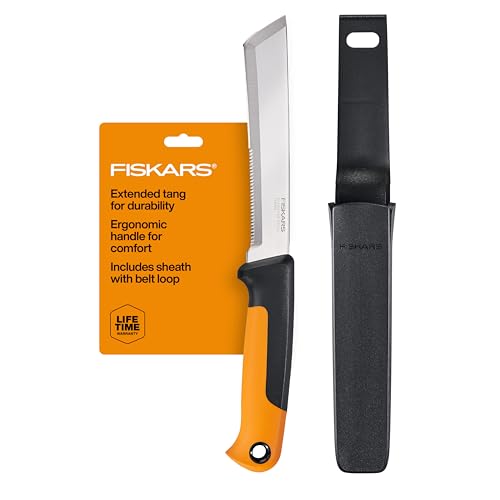
IDEAL FOR HARVESTING: Includes (1) Fiskars Harvesting Knife with hard plastic sheath and belt loop; perfect for thick stalks and stems, ensuring clean and precise cuts with ease in vegetable gardens and orchards; backed by a Lifetime Warranty

IDEAL GARDEN BASKET: Basket made of durable, plastic with multi-functional features to simplify collecting, transporting, and cleaning harvested produce or tools; Designed with two sets of handles for each user's preferred carry
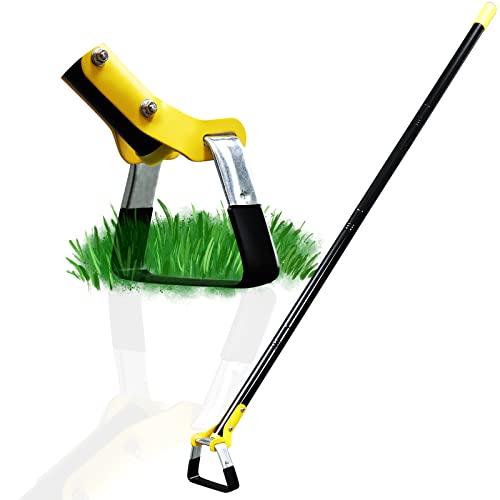
▲【Push Pull Hoe Garden Tool】Sold by DonSail US store and garden hoes are designed with push-pull motion which is safer and more efficient for weeding, cut weed roots or cultivating around live growing plants with ease.
Checking Beet Root Color
When determining if your beets are ready for harvest, examining the root color is crucial. A deep, vibrant hue, such as a rich red or purple, indicates that the beets are likely mature and flavorful. Pale or light-colored roots could suggest underdeveloped beets that may lack sweetness. Remember, root color corresponds to taste – darker roots often mean richer flavors.
- Rich red or purple roots are indicative of mature and flavorful beets.
- Pale or light-colored roots may suggest underdeveloped beets with potentially less sweetness.
Conducting a Taste Test
When it comes to determining if your beets are ready to harvest, conducting a taste test can be a game-changer. Taste-testing your beets allows you to experience firsthand the flavor profile and quality of your crop.
To conduct a taste test, choose a beet that appears mature based on leaf and root color indicators. Wash the beet thoroughly to remove any dirt or debris. Trim off the tops and roots, then slice the beet into pieces.
Savor the taste of the beet. Mature beets typically have a sweet and earthy flavor, while underdeveloped beets may taste bland or lack sweetness. Pay attention to the texture as well. A crisp, firm texture is a good sign of readiness.
If the beet delights your taste buds, harvest the remaining beets that show similar indicators of maturity. Enjoy the fruits of your labor in a delicious meal or recipe. Taste-testing your beets not only ensures optimal flavor but also adds a personal touch to the harvesting process.
Remember, the best way to know when your beets are ready to harvest is by trusting your taste buds.
Conclusion
Trusting your taste buds is key when determining if your beets are ready for harvest. By conducting a simple taste test, you can ensure that you’re picking the most flavorful and mature beets from your garden. Remember, a sweet and earthy flavor with a crisp texture indicates readiness, while bland or less sweet tastes may signify underdeveloped beets. This personalized approach not only guarantees a delicious harvest but also adds a fun and rewarding element to the process. So, next time you’re wondering if your beets are good to go, rely on your taste buds to guide you to the perfect harvest.
Frequently Asked Questions
Why is tasting beets important for harvesting?
Tasting beets is crucial to assess their flavor profile and quality before harvesting. It helps determine if the beets are mature, sweet, and flavorful.
How can I tell if a beet is ready for harvesting based on taste?
A mature beet will have a sweet and earthy flavor with a crisp, firm texture. If the beet tastes delightful, it is a sign that it is ready for harvest.
What if the beet tastes bland or lacks sweetness?
If a beet tastes bland or lacks sweetness, it means it is underdeveloped and not yet ready for harvesting. Wait until it reaches the desired flavor before harvesting.
Why trust taste buds in determining beet readiness?
Trusting your taste buds is essential because they can accurately gauge the flavor and quality of the beet, ensuring optimal harvesting time for the best taste.
