

Ever wondered how those tiny seeds in your cucumbers hold the potential for a whole new harvest? Picture this: you’re munching on a crisp cucumber, and a thought pops into your head – “Can I grow more of these from the seeds?” The answer is a resounding yes! In this article, you’ll unlock the secrets to extracting and saving cucumber seeds like a pro.
Have you ever found yourself tossing out the seeds from your cucumbers, not realizing the treasure trove they hold? By learning how to harvest and store cucumber seeds, you’re not just saving money, but also ensuring a steady supply of fresh cucumbers for your salads and snacks. Get ready to delve into the world of seed saving and elevate your gardening game to a whole new level.
Benefits of Saving Cucumber Seeds
When you save cucumber seeds from your harvest, you’re not just preserving a few seeds; you’re also investing in a range of benefits that can enhance your gardening experience. Here are some advantages of saving cucumber seeds:
- Cost Savings: By saving cucumber seeds, you’ll reduce the need to purchase seeds for future plantings. This can lead to significant savings over time, especially if you’re an avid cucumber grower.
- Crop Adaptation: Over generations, saved cucumber seeds can adapt to your specific growing conditions, resulting in plants that are better suited to your garden’s environment. This adaptation can lead to healthier plants and higher yields.
- Varietal Preservation: Saving seeds from your favorite cucumber varieties ensures that you can continue to grow them year after year, maintaining the unique characteristics and flavors that you enjoy.
- Self-Sufficiency: By saving and storing cucumber seeds, you’re taking a step towards self-sufficiency in your gardening pursuits. You’ll have the freedom to grow cucumbers without depending on external seed sources.
- Environmental Benefits: Saving cucumber seeds promotes biodiversity and helps preserve heirloom varieties that may not be readily available through commercial seed suppliers. This can contribute to a healthier and more diverse ecosystem.
Incorporating seed-saving practices into your gardening routine can bring about these benefits and more, enriching your gardening journey and fostering a stronger connection to the plants you grow.
Choosing the Right Cucumber for Seed Saving
When selecting a cucumber variety for seed saving, opt for open-pollinated or heirloom varieties over hybrids. These types produce seeds that will stay true to the parent plant.
Consider the following factors when choosing a cucumber for seed saving:
- Plant Type: Decide whether you prefer a vining or bush type cucumber plant for your garden.
- Flavor: Choose a cucumber variety that matches your taste preference, whether you enjoy a sweet or tangy flavor.
- Size: Pick a cucumber size that suits your needs, whether it’s for fresh eating, pickling, or both.
- Skin Texture: Select a cucumber variety with a smooth, waxy, or ridged skin depending on your culinary requirements.
By carefully selecting the right cucumber variety for seed saving, you set the stage for a successful harvest for future planting seasons.
Harvesting Cucumber Seeds
When it comes to Harvesting Cucumber Seeds, ensure you’re selecting fruits from healthy, robust plants. Here’s a step-by-step guide to help you through the process:
- Selecting Cucumbers: Pick fully ripe cucumbers that have turned yellow on the vine. Avoid using overripe or blemished fruits for seed extraction.
- Seed Extraction: Cut the cucumber lengthwise and scoop out the seeds using a spoon. Place the seeds in a bowl with a bit of water and ferment them for 3-4 days. Stir daily to prevent mold growth.
- Fermentation Process: The fermentation process helps to break down the gelatinous coating around the seeds, aiding in better germination.
- Rinsing Seeds: After fermentation, rinse the seeds thoroughly to remove any pulp. Spread them out on a paper towel to dry for 7-10 days.
- Storage: Once dried, store the cucumber seeds in a cool, dry place in a paper envelope or glass jar. Be sure to label the container with the variety and date.
- Seed Viability: When stored properly, cucumber seeds can remain viable for 5-10 years.
Recommended Products

A Complete 12 Pcs Gardening Tools Set: The garden kit includes durable gardening essentials for saving and collecting seeds - rust-proof garden scissors (precision snips), tweezers, brushes sieves, branded wooden funnel, fabric seed bags and seed containers.
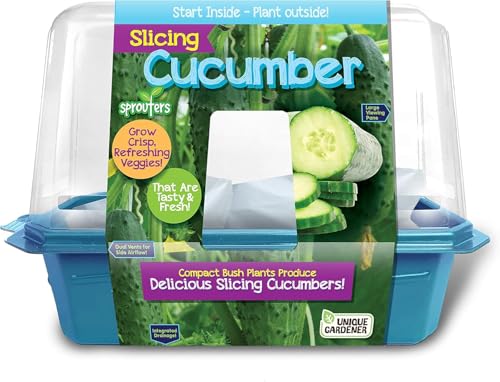
UNMATCHED FRESHNESS AND FLAVOR: Imagine savoring cucumbers straight from your home garden, bursting with flavor and crispness that store-bought veggies just can't match. By growing your cucumbers, you ensure a supply of fresh, and crisp cucumbers not go well with any dish.

【Double-Layer Seal Design for Extended Seed Protection】 Unlike ordinary seed storage containers that come with only one lid, our patented design features an additional inner lid to provide enhanced protection, side wall thickness at 10mm. This double-layer seal helps preserve your seeds' viability by keeping them cool, dry, and away from light—ensuring optimal long-term seed storage conditions.
Cleaning and Drying Cucumber Seeds
To ensure successful germination, Cleaning and Drying Cucumber Seeds is a crucial step in the seed-saving process. Here’s how you can do it effectively:
- Cleaning the Seeds:
- Rinse the extracted seeds thoroughly under running water to remove any remaining pulp.
- Pat the seeds dry with a paper towel to remove excess moisture.
- Drying the Seeds:
- Spread the clean seeds evenly on a flat surface like a paper plate or a mesh screen.
- Place the seeds in a warm, dry area with good air circulation to facilitate drying.
- Rotate the seeds occasionally to ensure uniform drying.
- Avoid exposing the seeds to direct sunlight to prevent damage.
Properly cleaned and dried cucumber seeds can significantly improve their longevity and germination rate.
Recommended Products

This set includes 2 herb drying racks that can be stacked to create a 2-tier pasta drying rack. Each tier stands on 3 tall supports, providing stability. The racks also fold flat for easy storage.

🌫️【Optimal Air Circulation】Breathable mesh drying rack for herbs ensures superior airflow, speeding up the herb drying process. Each tier of drying tents features a U-shaped zipper closure, providing easy access while protecting your herbs from dust, birds, and leaves.

Gift: Comes with an S-buckle, a storage bag. (Note: be careful when you open the package, these nets pop out)
Storing Cucumber Seeds
When it comes to Storing Cucumber Seeds, proper handling is essential to maintain their viability for future planting. Here are some tips to ensure your cucumber seeds stay healthy and productive:
- Dry Completely: Make sure the seeds are fully dry before storage to prevent mold and rot.
- Cool, Dark Place: Store the seeds in a cool, dark place to maintain their quality.
- Avoid Moisture: Keep seeds away from moisture to prevent premature germination or decay.
- Air-Tight Containers: Seal the seeds in air-tight containers to protect them from humidity and pests.
- Labeling: Don’t forget to label your containers with the seed variety and date of collection for easy identification.
Maintaining these practices will help preserve the viability of your cucumber seeds for an extended period, ensuring successful future plantings.
Recommended Products

PRESERVE FRESHNESS AND FLAVOR: This airtight pet food container helps your pet's dry food to stay tasty with its Gamma Seal Technology; It maintains moisture balance to keep food tasty and fresh

PRESERVE FRESHNESS AND FLAVOR: This airtight pet food container helps your pet's dry food to stay tasty with its Gamma Seal Technology; It maintains moisture balance to keep food tasty and fresh

Food Storage for All Pets: Keep dog kibble, cat dry food, bird seed, pellets, and treats fresh and organized in one versatile 33 Quart container that holds approximately 22–26 lbs of most dry kibble, depending on kibble size—not all 30 lb bags will fit
Conclusion
Now that you know the key steps to storing cucumber seeds properly, you’re well-equipped to ensure their viability for your next planting season. By keeping them completely dry, storing them in a cool, dark spot, sealing them in air-tight containers, and labeling them clearly, you’re setting yourself up for success. Remember, taking these simple precautions can make a big difference in the quality and success of your future cucumber crops. Happy gardening!
Frequently Asked Questions
How should I store cucumber seeds for future planting?
To store cucumber seeds for future planting, ensure they are completely dry, store in a cool, dark place away from moisture, seal in air-tight containers to protect from humidity and pests, and label containers for easy identification.
Why is it important to properly store cucumber seeds?
Properly storing cucumber seeds is crucial to maintain their viability. It prevents mold and rot, extends their shelf life, and ensures successful future plantings.
What are the key tips for preserving cucumber seed viability?
Key tips for preserving cucumber seed viability include thorough drying before storage, selecting a suitable storage location, using air-tight containers, and proper labeling for easy organization.
