

Ever wondered how those crisp cucumbers on your salad make their way from tiny seeds to delicious veggies on your plate? Picture this: you’re in your kitchen, craving a fresh cucumber salad, but you’re not quite sure where to start. That’s where understanding how cucumber plants grow comes in handy!
In this article, you’ll uncover the secrets behind the growth of cucumber plants and discover the joys of nurturing these green gems in your own backyard. From seedling to vine, you’ll learn the ins and outs of cultivating these refreshing treats. Get ready to witness the magic of nature unfold right before your eyes!
The Journey Begins: Planting Cucumber Seeds
When planting cucumber seeds, ensure the soil is well-draining to prevent waterlogging.
Use nutrient-rich soil to provide a strong foundation for your cucumber plants to grow.
Plant your cucumber seeds at a depth of about 1 inch and space them around 6 inches apart.
Water the seeds consistently to keep the soil moist but not waterlogged.
Position the seeds in an area that receives full sunlight for optimal growth.
Consider using a trellis to support the vines as they grow and prevent them from sprawling.
Seedlings typically emerge within 7 to 14 days after planting, depending on the variety and conditions.
Regularly monitor the soil moisture and adjust your watering schedule accordingly.
Recommended Products
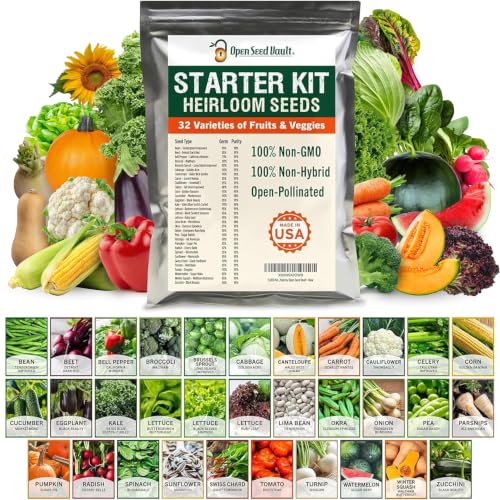
COMPLETE VEGETABLE GARDEN VARIETY PACK – Grow a thriving home garden with 32 popular vegetable seeds including Bean, Beet, Bell Pepper, Broccoli, Brussels Sprout, Cabbage, Cantaloupe, Carrot, Cauliflower, Celery, Corn, Cucumber, Eggplant, Kale, Lettuce (3 types), Lima Bean, Okra, Onion, Pea, Parsnip, Pumpkin, Radish, Spinach, Sunflower, Swiss Chard, Tomato, Turnip, Watermelon, Zucchini. A diverse mix perfect for fresh meals, backyard gardens, and sustainable growing.

Graphene Seed Heat Mat for Faster Germination: Compared to traditional electric heating mats, our graphene heat mat heats up faster and more evenly, with a built-in timer for convenience. It creates the ideal environment for indoor seed starting trays, greenhouse seed germination, and hydroponic plant propagation. Designed for indoor gardening, this waterproof and reusable heat mat accelerates growth and improves seedling survival rates.

Vegetable seeds variety pack: Grow 35 varieties of leafy greens, root vegetables, tomatoes, peppers, beans, peas, squash, melons, and more. Includes 16,000+ vegetable seeds for planting outdoors in raised beds, garden rows, or containers.
Sprouting Life: Germination and Seedling Stage
When planting cucumber seeds, keep in mind that they need specific conditions to sprout. Here are some key points to consider to help your seeds successfully germinate:
- Soil Temperature: Maintain soil temperature around 70-90°F for optimal germination.
- Moisture: Keep the soil consistently moist but not waterlogged to aid in seed swelling and sprouting.
- Depth: Plant your seeds about 1 inch deep in the soil for best results.
During the seedling stage, ensure the following to support healthy growth:
- Light: Provide at least 6-8 hours of sunlight daily or use grow lights for indoor plants.
- Water: Water your seedlings gently to keep the soil moist but not soggy to prevent root rot.
- Nutrients: Consider using a balanced fertilizer to provide essential nutrients as the seedlings grow.
Growing Strong: Caring for Cucumber Seedlings
During the early stages of your cucumber plants’ growth, caring for seedlings is vital. Here’s how you can ensure your cucumber seedlings thrive:
- Light: Place your seedlings in a spot that gets a lot of light, like a sunny windowsill or under a grow light.
- Watering: Keep the soil consistently moist, but avoid overwatering to prevent root rot. Water gently at the base of the plant to avoid disturbing the roots.
- Fertilization: Consider using a balanced fertilizer to provide essential nutrients for healthy growth. Follow the instructions on the fertilizer package for best results.
- Temperature: Maintain a stable temperature around your seedlings, ideally between 70-90°F, to promote strong and steady growth.
- Protection: Shield your seedlings from harsh weather conditions or strong winds that can damage their delicate structure.
- Transplanting: When your seedlings have developed a couple of true leaves, they are ready for transplanting into larger pots or your garden. Harden off your seedlings before transplanting to help them adjust to the outdoor conditions.
Taking these steps to care for your cucumber seedlings will set a solid foundation for their future growth and development.
Recommended Products
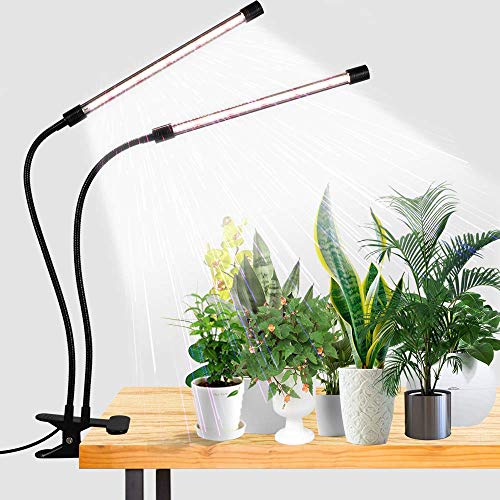
6000K White Light - equipped with 10 Red + 74 White LEDs, this growing Lamp is similar to the full-spectrum sunlight at noon,that is professionally designed for indoor garden plants.Moreover, its color rendering index is as high as 95, the light is soft and flicker-free, which is very suitable for reading lamp

OPTIMIZED FOR SEEDLINGS & VEG PLANTS: The indoor plant light features a scientifically designed diode layout and a high-performance LED driver, delivering 11000 lumens for optimal seedling and vegetative growth, ensuring your plants thrive at every stage

FULL SPECTRUM: This grow Light can imitate the spectrum of sunlight giving your plants the perfect quality of light. Our 660nm Red-Light enhancement is catered towards sprouting, flowering, and fruit yielding plants and can give them the capability to grow to their full potential
Flowering Beauty: Pollination and Fruit Development
Now that your cucumber plants have grown and flourished, it’s time to delve into the magical process of pollination and fruit development.
Recommended Products

【High-Quality Materials】The pollinating brushes feature a durable wood handle paired with soft, premium artificial fiber wool bristles. This material combination ensures the pollination brush is gentle on delicate flower stamens and pistils, preventing damage during the pollen transfer process. The wood handle provides a sturdy grip, while the soft wool effectively collects and distributes pollen, making the pollinator brush a reliable tool for both novice gardeners

Hand Pollination Brush: With 10 different sizes, our pollination brushes cater to a variety of plants, ensuring precise and efficient pollen transfer for every garden.

Pollinating Brush for Improving Pollination Efficiency Indoor Hydroponic Plants, Pollination Brushes for Increasing Fruit Yield by 200%, Pollinator Brush Tool for Greenhouse Gardens, Wood (12 Pack)
Pollination Matters
- Cucumbers need pollination to set fruits.
- Bees are excellent pollinators, so encourage these helpful insects in your garden.
Understanding Female Flowers
- Female flowers have a miniature cucumber at the base.
- Fruit develops from the pollinated female flower.
Male Flowers in Action
- Male flowers play a vital role in pollination.
- Their pollen is necessary for fertilizing female flowers.
Hand Pollination Tips
- You can hand pollinate if bee activity is low.
- Use a small brush to transfer pollen from male to female flowers gently.
Fruit Development Stages
- Cucumbers start small and grow rapidly.
- Ensure consistent watering to support healthy fruit development.
Common Issues to Watch For
- Misshapen cucumbers may result from poor pollination.
- Inadequate watering can lead to bitterness in fruits.
- Pick mature cucumbers promptly for the best taste.
- Regular harvesting encourages more fruit production.
Remember, understanding the pollination process and providing proper care are key factors in enjoying a bountiful cucumber harvest.
Harvest Time: Picking and Enjoying Fresh Cucumbers
When it comes to harvesting cucumbers, timing is key. You want to pick them at just the right moment for optimal flavor. Here’s what you need to know:
- Timing: Harvest cucumbers when they are firm, dark green, and about 6 to 8 inches in length. Check your plants regularly, usually every 2-3 days, to ensure you don’t miss the perfect harvest window.
- Technique: Use a pair of shears or a sharp knife to cut the cucumber from the vine, leaving a small portion of the stem attached. Avoid pulling or twisting the cucumber off the plant to prevent damage.
- Storage: Freshly harvested cucumbers can be stored in the refrigerator for up to one week. Place them in a perforated plastic bag to maintain humidity and freshness.
- Enjoying Freshness: For the best flavor and crispness, it’s recommended to consume your cucumbers as soon as possible after harvesting. Incorporate them into salads, sandwiches, or enjoy them as a refreshing snack.
Conclusion
That’s it! You now know all about how cucumber plants grow and the best practices for harvesting and storing your cucumbers. Remember to pick them at the right time for the most delicious flavor. Enjoy your freshly harvested cucumbers in salads, sandwiches, or as a healthy snack. Happy gardening and happy eating!
Frequently Asked Questions
When is the best time to harvest cucumbers for optimal flavor?
Harvest cucumbers when they are firm, dark green, and 6 to 8 inches long, every 2-3 days for the best taste.
How should I harvest cucumbers from the vine?
Use shears or a knife to cut cucumbers from the vine, ensuring a clean cut without damaging the plant.
How can I store harvested cucumbers to maintain freshness?
Store harvested cucumbers in a perforated plastic bag in the refrigerator to keep them fresh for up to a week.
What is the recommendation for consuming freshly harvested cucumbers?
Enjoy freshly harvested cucumbers promptly to savor their best flavor and crispness in salads, sandwiches, or as a wholesome snack.
