

Ever wondered why those pesky aphids keep invading your cucumber plants? Picture this: you’re eagerly waiting for your cucumbers to flourish, only to find them under siege by these tiny, sap-sucking insects. Fret not, as we’ve got your back! In this article, we’ll share simple yet effective methods to bid farewell to aphids and ensure your cucumber plants thrive.
Identifying Aphids on Cucumber Plants
To effectively combat aphids on your cucumber plants, it’s crucial to correctly identify these pests. Here’s how you can spot aphids on your beloved cucumber plants:
- Color: Aphids come in various colors including green, black, white, or even pink.
- Shape: These small insects are usually pear-shaped with long antennae and two tubes, known as cornicles, protruding from their rear.
- Location: Look for these tiny invaders on the undersides of leaves and around new growth tips.
- Signs of Damage: Keep an eye out for curled or yellowing leaves, sticky residue (honeydew), or the presence of ants around your plants—ant-aphid symbiosis at work.
By familiarizing yourself with these characteristics, you can take the first step in eradicating aphids from your cucumber plants.
Natural Remedies for Aphid Infestation
When dealing with aphids on your cucumber plants, turning to natural remedies can be a gentle yet effective solution. Here are some methods to help you combat these pesky pests:
- Introduce Beneficial Insects: Consider bringing in ladybugs or lacewings to prey on the aphids, helping to naturally control their population.
- Neem Oil Spray: Create a mixture of neem oil and water to spray on the plants, which can repel aphids and disrupt their lifecycle.
- Garlic and Pepper Spray: Make a homemade spray using garlic and pepper to deter aphids from infesting your cucumber plants.
- Insecticidal Soap: Utilize insecticidal soap, a mild and biodegradable option that can effectively eradicate aphids on your plants.
- Water Pressure: Sometimes, a strong blast of water from a hose can physically remove aphids from the leaves without harming your plants.
- Companion Planting: Plant marigolds, nasturtiums, or dill near your cucumbers to repel aphids and attract beneficial insects.
- Diatomaceous Earth: Sprinkle food-grade diatomaceous earth around the base of your cucumber plants as a barrier to deter aphids.
- Pruning Infested Parts: Remove and dispose of heavily infested parts of your plants to prevent the spread of aphids to healthy areas.
| Approximate Number of Aphids on a Single Plant |
|---|
| 20 or more can cause significant damage |
| 50 or more can lead to plant decline |
| 200 or more can severely harm the plant |
Recommended Products

READY-TO-USE CONTACT SPRAY: No mixing required. Thoroughly spray insecticide on all plant parts, including the underside of leaves. Pests must be sprayed directly to achieve control
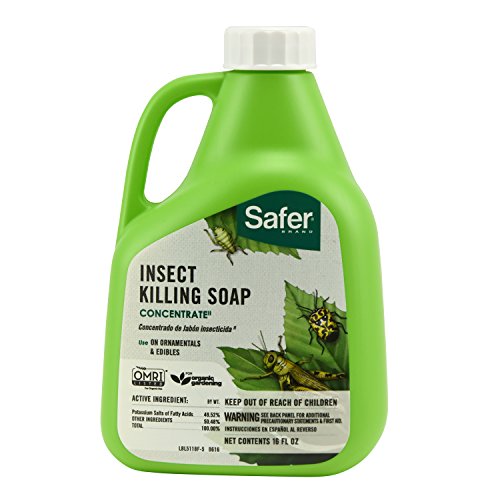
GENTLE ON MOST PLANTS - This aphid spray is ideal for use on flowers, herbs, vegetables, houseplants, lawn, tree, shrubs, and more

FOR ORGANIC GARDENING – OMRI LISTED: Approved for use in organic production, Monterey Insecticidal Soap RTU is perfect for indoor and outdoor organic gardening on fruits, vegetables, ornamentals, and more.
Chemical Solutions to Eliminate Aphids
When facing a persistent aphid problem on your cucumber plants, chemical solutions can be a viable option to regain control over the situation. Here are some effective approaches to consider:
- Insecticidal Sprays: Look for products specifically formulated to target aphids while being safe for your plants. Follow the instructions carefully for the best results.
- Horticultural Oils: These oils can smother aphids, disrupting their ability to breathe and feed. Apply when aphids are in their most vulnerable stages for optimal impact.
- Systemic Insecticides: These products are absorbed by the plant, making it toxic to aphids feeding on it. Use with caution, as they can also affect beneficial insects if not applied correctly.
Remember to always consider the safety of your plants, yourself, and the surrounding environment when utilizing chemical solutions to combat aphid infestations on your cucumber plants.
Recommended Products

3-in-1 FORMULA: Aphid spray for outdoor plants for use on roses, flowers, shrubs and trees to control listed insects, disease and mites

3-IN-1 GARDEN CARE SPRAY - Earth’s Ally 3-in-1 Plant Spray is a ready-to-use botanical oil spray designed for indoor and outdoor plant care. The houseplant pest spray effectively kills and controls soft-bodied insects and common plant diseases with a synergistic blend of essential oils.

3-IN-1 PLANT CARE: 3-In-1 Insect, Disease & Plant Mite Control provides insect control, disease control, and plant mite control all in one; Rainproof protection starts in 4 hours and lasts up to 14 days
Preventing Future Aphid Attacks
To keep those pesky aphids away for good, here are some measures you can take:
- Attract Beneficial Insects: Encourage ladybugs, lacewings, and other natural aphid predators into your garden.
- Prune Wisely: Remove infested plant parts promptly to stop aphids from spreading to healthy areas.
- Plant Deterrents: Include companion plants like marigolds or chives that repel aphids in your garden.
- Mulch Matters: Use mulch to deter aphids from finding their way back to your cucumber plants.
Consider these tips to maintain a healthy, aphid-free cucumber garden in the long run.
Recommended Products
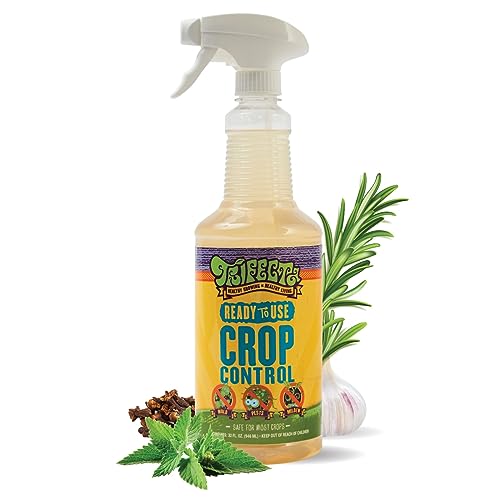
CROP, GARDEN & HOUSEPLANT INSECT CONTROL. Trifecta Crop Control all-natural, plant-based formula effectively combats destructive spider mites, aphids, whiteflies, fungus gnats, and other soft-bodied pests on indoor and outdoor plants. Our biodegradable, eco-friendly solution is safe for use on edible crops, without chemical residues. Our gentle yet potent plant spray suffocates and dehydrates pests without harming beneficial insects or the environment, making it ideal for organic gardening.

INDOOR & OUTDOOR HOUSEPLANT CARE: Houseplant Insect & Mite Control provides insect control, plant mite control, and disease control all in one; Use to protect houseplants, flowers, and herbs indoors and outdoors

PROTECTS THE CROP YOU ARE ABOUT TO EAT - Hornworms strip a tomato plant overnight, aphids curl the new growth and squash bugs wilt a vine from the base. This targets the chewing and sucking pests behind all three.
Conclusion
You now have a variety of strategies at your disposal to combat aphids on your cucumber plants. From utilizing chemical solutions to implementing preventive measures like attracting beneficial insects and planting deterrents, you can effectively keep aphids at bay. By incorporating these techniques into your gardening routine, you’ll not only get rid of existing aphid infestations but also safeguard your cucumber plants from future attacks. Remember, a little effort now can lead to a thriving and aphid-free cucumber garden in the long run. Happy gardening!
Frequently Asked Questions
What are some chemical solutions for controlling aphid infestations on cucumber plants?
There are several chemical solutions to combat aphids on cucumber plants, such as insecticidal soaps, neem oil, or horticultural oils. These options effectively target aphids while being less harmful to beneficial insects and the environment.
How can I prevent aphids from returning to my cucumber plants?
Prevent aphids from returning by attracting beneficial insects like ladybugs, promptly pruning infested plant parts, planting deterrents such as marigolds or chives, and using mulch. These measures create an inhospitable environment for aphids, keeping your cucumber garden healthy in the long run.
