

Ever wondered if you can skip the transplanting hassle and directly sow cucumbers in your garden? Picture this: it’s a sunny day, and you’re dreaming of juicy cucumbers straight from your backyard. But the thought of delicate seedlings and transplant shock dampens your excitement. What if you could simplify the process and sow cucumber seeds directly into the soil?
In this article, you’ll explore the world of direct sowing cucumbers. Discover the benefits of this method, from saving time to reducing the risk of transplant stress on your plants. Get ready to dive into a straightforward guide that’ll have you enjoying homegrown cucumbers with ease.
Benefits of Direct Sowing Cucumbers
When considering direct sowing cucumbers in your garden, you stand to reap numerous benefits that make this approach appealing. Here’s why you should consider skipping the transplanting step and sowing cucumber seeds directly:
- Saves Time: Direct sowing allows you to skip the time-consuming process of transplanting seedlings, letting you plant seeds directly in the garden soil.
- Reduces Transplant Shock: By sowing cucumber seeds directly, you avoid the transplant shock that seedlings often experience when moved from pots to the garden.
- Promotes Stronger Roots: Directly sown cucumbers tend to develop stronger root systems from an early stage, leading to healthier and more robust plants.
- Natural Adaptation: When sown directly, cucumber seeds acclimate naturally to the garden environment, increasing their resilience to local growing conditions.
- Continuous Harvest: Direct sowing at intervals ensures a steady supply of cucumbers throughout the growing season, providing you with a consistent harvest.
Remember, direct sowing cucumbers can be a rewarding gardening approach that simplifies the process while yielding excellent results.
Best Practices for Direct Sowing
When it comes to direct sowing cucumbers, following some best practices can help ensure a successful harvest. Here are some tips to guide you:
- Choose the Right Time: Direct sow cucumber seeds after the last frost in rich, well-draining soil for optimal results.
- Prepare the Soil: Ensure the soil is loose and fertile to promote healthy growth and development.
- Spacing Matters: Plant cucumber seeds about 1 inch deep and 6 inches apart to give each plant ample space to thrive.
- Water Adequately: Keep the soil consistently moist but not waterlogged to support seed germination and plant growth.
- Provide Sunlight: Cucumbers thrive in full sun; ensure they receive at least 6-8 hours of sunlight per day.
- Support Vertical Growth: Consider installing trellises or stakes to support cucumber vines and save space in your garden.
- Monitor for Pests: Keep an eye out for common pests like aphids or cucumber beetles and take proactive measures to protect your plants.
- Harvest Regularly: Pick cucumbers frequently to encourage continuous production throughout the growing season.
- Rotate Crops: To prevent disease buildup, practice crop rotation in your garden each season.
Direct sowing cucumbers is a straightforward and rewarding way to grow this refreshing vegetable in your garden. By following these best practices, you can set yourself up for a bountiful cucumber harvest.
Choosing the Right Varieties for Direct Sowing
When directly sowing cucumbers, selecting the right varieties is crucial for a successful harvest. Here are some tips to help you choose the best cucumber variety:
- Consider the space you have: If you have limited space, go for compact bush varieties that thrive in containers or smaller gardens.
- Focus on your climate: Opt for heat-tolerant varieties if you live in a hot climate, while cold-hardy ones are ideal for cooler regions.
- Determine your preference: Whether you prefer slicing cucumbers for fresh salads or pickling cucumbers for preserving, there’s a variety to suit your taste.
By selecting the right cucumber variety for direct sowing, you set yourself up for a bountiful harvest that aligns with your preferences and growing conditions.
Common Mistakes to Avoid
When direct sowing cucumbers, there are a few common mistakes that you should watch out for:
- Planting too early can lead to poor germination due to cold soil temperatures.
- Overcrowding your cucumber plants can result in stunted growth and decreased yields.
- Ignoring soil quality can lead to nutrient deficiencies, affecting the overall health of your cucumber plants.
- Forgetting to water consistently can cause stress to the plants and result in bitter-tasting cucumbers.
- Neglecting pest control measures may attract unwanted visitors that can damage your cucumber crop.
Remember, avoiding these common mistakes can help you successfully direct sow cucumbers and enjoy a bountiful harvest.
Recommended Products
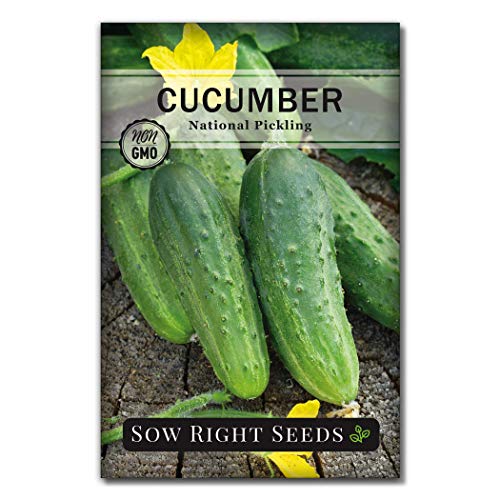
Beautiful - Full-color packet of National Pickling Cucumber seeds (Cucumis Sativus), a heavy producing self-pollinating variety that is burpless and wonderful for pickles or eating fresh. Sweet skins do not need to be peeled. Minimum of 1g per packet (about 39 seeds).

Beautiful - Full-color packet of Lemon Cucumber seeds (Cucumis Sativus), a heavy producing self-pollinating variety with round cucumbers that are burpless and wonderful for eating fresh. When picked young, the sweet skins do not need to be peeled. Minimum of 1g per packet (about 39 seeds).

Beautiful - Full-color packet of Beit Alpha Cucumber (Cucumis sativus) seeds, a heavy producing self-pollinating persian variety that is burpless and wonderful for eating fresh. Sweet skins do not need to be peeled. Minimum of 1g per packet (about 39 seeds).
Conclusion
You’ve learned that selecting the right cucumber varieties for direct sowing is crucial for a successful harvest. Consider factors like space, climate, and personal preferences when choosing your cucumber seeds. Avoid common mistakes such as planting too early and overcrowding your plants. Remember to pay attention to soil quality, watering, and pest control to ensure healthy cucumber growth. By following these tips, you can enjoy a bountiful cucumber harvest in your garden. Happy gardening!
Frequently Asked Questions
What are the key factors to consider when choosing cucumber varieties for direct sowing?
When choosing cucumber varieties for direct sowing, consider factors like available space, climate conditions (heat or cold tolerance), and personal preferences.
Which cucumber varieties are suitable for limited gardening spaces?
Compact bush cucumber varieties are ideal for limited gardening spaces due to their smaller growth habit.
What types of cucumber varieties are recommended for hot climates?
Heat-tolerant cucumber varieties are recommended for hot climates to ensure successful growth and fruit production.
Which cucumber varieties are best suited for cooler regions?
Cold-hardy cucumber varieties are best suited for cooler regions where frost may occur.
What common mistakes should gardeners avoid when direct sowing cucumbers?
Common mistakes to avoid include planting cucumbers too early, overcrowding plants, neglecting soil quality and watering, and failing to implement proper pest control measures.
