

Importance of Sunlight for Cucumber Plants
Sunlight is crucial for cucumber plants as it fuels the process of photosynthesis. This process helps plants produce glucose and oxygen from carbon dioxide and water.
Recommended Products

Classifies Sunlight Exposure in Real Environments. Accurately identifies Full Sun, Partial Sun, Partial Shade, or Shade based on DLI (Daily Light Integral) levels—helping gardeners and designers optimize plant placement.

【4 in 1 function】This is a 4-in-1 multifunctional soil tester.Our soil tester fastly to measure soil moisture, pH, temperature and sunlight to help you take better care of flowers and plants.You can know when you need to water your soil by measuring moisture and pH & Temperature value of the soil and sunlight level of plants with it.
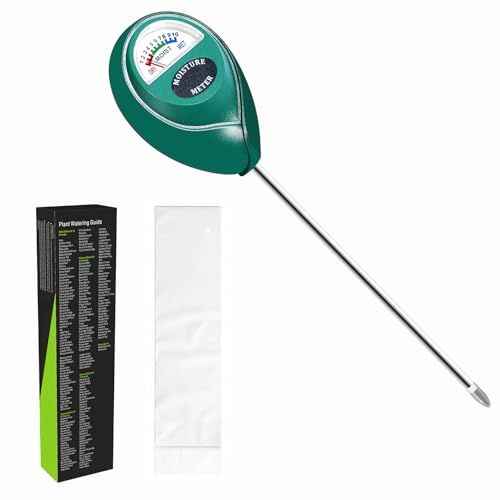
Trusted Since 2015: Become one of the many plant lovers who rely on the proven accuracy of XLUX. Established in 2015, our soil moisture meter has earned over 60,000+ verified ratings for its consistent performance. While many many newer brands come and go, we provide the long-term reliability and quality that American households have trusted for over a decade.
Why Cucumber Plants Need Sunlight?
- Sunlight is essential for plant growth and developing strong roots.
- It aids in flowering and fruit production in cucumber plants.
- Lack of sunlight can lead to stunted growth and poor yield.
How Much Sunlight Do Cucumber Plants Need?
- Cucumber plants require at least 6-8 hours of direct sunlight daily.
- Insufficient sunlight can result in pale leaves, tall and weak stems, and bitter fruits.
Maximizing Sunlight for Cucumber Plants
- Position your cucumber plants in a sunny spot with good air circulation.
- Rotate plants if needed to ensure uniform exposure to sunlight.
- Prune to allow sunlight to reach all parts of the plant.
Monitoring Sunlight Levels
- Use a sunlight meter to gauge the amount of sunlight your cucumber plants are receiving.
- Adjust plant placement accordingly to optimize sunlight exposure.
Avsluttende tanker
Sunlight is a crucial element in the growth and success of your cucumber plants. By ensuring they receive adequate sunlight, you can promote healthy growth and bountiful harvests.
Factors Affecting Sunlight Requirements
When it comes to how much sunlight cucumber plants need, several factors influence their requirements. Knowing these factors can help you optimize sunlight exposure for your plants:
- Location: The geographical location of your garden or balcony affects the amount of sunlight available. Cucumbers thrive in full sunlight but may require more exposure in regions with cloudy weather.
- Season: Sunlight availability varies by season. During the summer, daylight hours are longer, providing ample sunlight for cucumbers. In contrast, winter days are shorter, necessitating strategic placement for sufficient exposure.
- Time of Day: The intensity of sunlight differs throughout the day. Morning sun tends to be gentler, while afternoon sun is more intense. Finding a balance helps prevent sunburn or leaf scorch on your plants.
- Shade: Obstructions like buildings, trees, or tall plants can create shaded areas in your garden. Avoid planting cucumbers in these spots as they may receive less sunlight than necessary.
- Plant Variety: Some cucumber varieties may be more or less tolerant to varying sunlight conditions. Check the specific requirements of the cucumber variety you’re growing to ensure optimal growth.
Taking into account these factors can contribute to the successful cultivation of cucumber plants with the right amount of sunlight for healthy growth and bountiful harvests.
Ideal Sunlight Conditions for Cucumber Plants
- Full Sun Exposure: Cucumber plants thrive when they receive full sun for most of the day.
- Morning Sunlight: Morning sun is particularly beneficial as it helps dry the plants’ leaves, reducing the risk of diseases.
- Avoid Shade: Ensure that your cucumber plants are not overshadowed by taller plants or structures that can block the sun.
- Rotate Location: If you’re growing cucumbers in containers, consider moving them to follow the path of the sun for maximum exposure.
| Ideal Sunlight Conditions for Cucumber Plants |
|---|
| Cucumber plants need at least 6-8 hours of sunlight per day. |
| Full sun exposure is crucial for optimal growth. |
| Morning sunlight helps dry leaves and prevents diseases. |
| Avoid shading from other plants or structures. |
| Consider rotating container plants for maximum sun exposure. |
Recommended Products
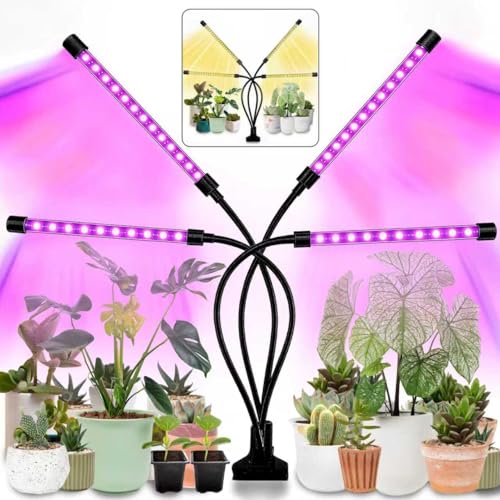
🌻Efficient LED Combination: This LED lamp has grow lights made up of 80 efficient growing LEDs ( 32 red lights, 12 blue lights,20 yellow lights and 16 white lights). It meets the conditions of plant growth without sunlight. 1--Full Spectrum(380nm-800nm): Suitable for all plants to root and sprout. 2--Red(660nm)+BLUE(460nm) Spectrum: for blooming and fruits. 3--Red+Blue+Full Spectrum: A mix of Red+Blue+Warm White is best to fuel the growth of your plants.
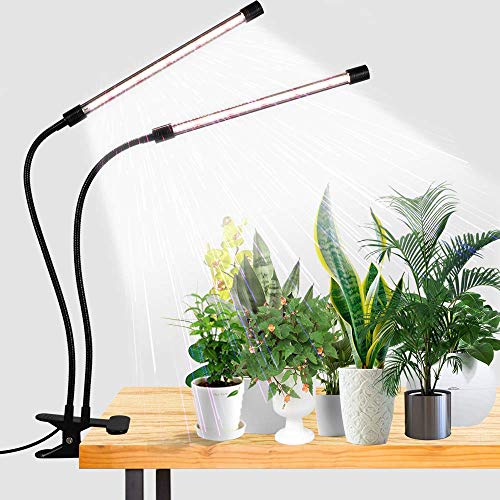
6000K White Light - equipped with 10 Red + 74 White LEDs, this growing Lamp is similar to the full-spectrum sunlight at noon,that is professionally designed for indoor garden plants.Moreover, its color rendering index is as high as 95, the light is soft and flicker-free, which is very suitable for reading lamp

FULL SPECTRUM & NATURAL LIGHT: A19 full spectrum grow light appears 4000K white to eyes but has a red/blue light spectrum. Same as natural sun shine, perfect for tomatoes, cucumbers, peppers, leafy greens and herbs at all growth stages.
Signs of Sunlight Deficiency in Cucumber Plants
Yellowing Leaves:
- Faded green color indicates lack of chlorophyll.
Stunted Growth:
- Plants may be smaller than usual due to insufficient sunlight for photosynthesis.
Fewer Flowers and Fruit:
- Decreased sunlight can lead to reduced flowering and fruit production.
Leggy Growth:
- Sparse, elongated stems are a sign of reaching for light.
Fungal Diseases:
- Increased susceptibility to diseases due to wet foliage from lack of sunlight.
- Overly bitter cucumbers may result from inadequate sunlight.
Remember to keep an eye out for these signs to ensure your cucumber plants receive the right amount of sunlight for healthy growth.
Tips for Providing Adequate Sunlight to Cucumber Plants
To ensure your cucumber plants thrive, they need at least 6-8 hours of sunlight daily. Here are some tips to help you provide them with the right amount of sunlight:
- Choose the Right Location:
Plant your cucumbers in a spot that receives full sun. Avoid areas with excessive shade or competition from other plants. - Monitor Sunlight Exposure:
Regularly check your garden throughout the day to assess sunlight levels. Adjust plant placement if necessary to optimize exposure. - Use Reflective Mulch:
Place reflective mulch around your cucumber plants to increase sunlight reflection onto them. - Prune for Better Light Penetration:
Trim excess foliage to allow more sunlight to reach the lower parts of your plants. - Consider Container Gardening:
If your garden lacks adequate sunlight, consider growing cucumbers in containers that can be moved to sunny spots. - Protect from Harsh Afternoon Sun:
Shield your plants from scorching afternoon sun by using shade cloth or planting them near taller plants for natural shade. - Rotate Planting Locations:
To ensure all your cucumbers receive adequate sunlight, rotate their planting locations each season.
By following these tips, you’ll be able to provide your cucumber plants with the optimal amount of sunlight they need for healthy growth.
Conclusion
Ensuring your cucumber plants receive the right amount of sunlight is key to their healthy growth. By following the tips provided, you can optimize sunlight exposure for your plants. Remember to aim for 6-8 hours of sunlight daily, plant in full sun, monitor exposure, use reflective mulch, prune for better light penetration, consider container gardening, protect from harsh afternoon sun, and rotate planting locations. These strategies will help you cultivate thriving cucumber plants in your garden. Happy gardening!
Frequently Asked Questions
How much sunlight do cucumber plants need daily?
Cucumber plants require 6-8 hours of sunlight daily for optimal growth.
Where is the best place to plant cucumber for sunlight exposure?
Plant cucumbers in a location that receives full sun to ensure they get adequate sunlight.
How can I monitor sunlight exposure for my cucumber plants?
Keep track of sunlight exposure by observing the location and duration of sunlight hitting your cucumber plants.
What is the benefit of using reflective mulch for cucumber plants?
Reflective mulch can help enhance sunlight exposure by redirecting light onto the cucumber plants.
How can pruning help improve sunlight penetration for cucumber plants?
Pruning can aid in better light penetration by thinning out dense foliage that might block sunlight.
Is container gardening a good idea for optimizing cucumber plant sunlight exposure?
Container gardening offers flexibility in moving your cucumber plants to sunnier spots for better sunlight exposure.
How can I protect cucumber plants from harsh afternoon sun exposure?
Shield cucumber plants from intense afternoon sun by providing shade or using row covers during hot hours.
Why is it recommended to rotate planting locations for cucumber plants?
Rotating planting locations helps prevent nutrient depletion in the soil and ensures consistent sunlight exposure for healthy cucumber growth.
