

Do your cucumber plants soak up enough sun to thrive? Ever found yourself wondering about the ideal sunlight for your leafy friends? In the world of gardening, sunlight plays a crucial role, especially for cucumbers. Picture this: your cucumber vines reaching for the sun, but are they getting just the right amount?
Wondering how to ensure your cucumber plants bask in the perfect sunlight? This article will guide you through the sunny journey of cucumber cultivation. Discover the secrets to nurturing healthy cucumber plants by understanding their sunlight needs. Ready to dive into the sunny world of cucumber gardening? Let’s shed some light on the ideal sun exposure for your green companions.
Importance of Sunlight for Cucumber Plants
When it comes to cucumber plants, sunlight is like their best friend. Just like how you feel energized and happy on a sunny day, cucumber plants thrive under the sun’s rays.
Here’s why sunlight is crucial for the growth of your cucumber plants:
- Photosynthesis: It’s like a magic trick for plants. Sunlight helps cucumber plants perform photosynthesis, turning light into energy for growth and development.
- Nutrient Production: The sun is the secret ingredient for cucumber plants to create essential nutrients that keep them healthy and vibrant.
- Strong Stems and Leaves: With enough sunlight, cucumber plants grow robust stems and lush leaves that support a bountiful harvest.
Are your cucumber plants getting enough sunlight? Let’s dive deeper into ensuring your green companions receive the ideal amount of sun for a thriving garden.
Ideal Sunlight Requirements for Cucumber Plants
When it comes to sunlight, cucumber plants are like sun worshippers, thriving under the warmth and light it provides. For these green companions to reach their full potential, they need around 6-8 hours of sunlight daily. This may vary slightly based on the cucumber variety you’re growing, but aim for this range for optimal growth.
Direct sunlight is key for cucumber plants. They use this natural energy source to produce nutrients through photosynthesis, develop sturdy stems and leaves, and ultimately bear delicious cucumbers. Position your cucumber plants in a spot with plenty of sunlight, ensuring they get the light they crave throughout the day.
Shade can hinder cucumber plants’ growth, leading to leggy, weak stems and reduced fruit production. To prevent this, avoid shady areas when choosing a location for planting. Additionally, be mindful of any nearby plants or structures that could cast shadows on your cucumber patch.
Remember, sunlight is to cucumber plants as water is to us – essential for their well-being and productivity. So, make sure to prioritize sunlight exposure for your cucumber plants to flourish and yield a bountiful harvest.
Recommended Products

【Grow Lights for Indoor Plants】LBW grow light is tailored to meet the unique needs of plant lovers, this light offers 6/8/12/16H auto timer settings and 5 adjustable brightness levels for optimal growth. Its unique design, easy assembly, and space-saving base make it a perfect fit for any home decor, is perfect for various indoor plants, including succulents, herbs, and orchids etc. NOTE: The product stand needs to be pressed down by the flower pot to be stable
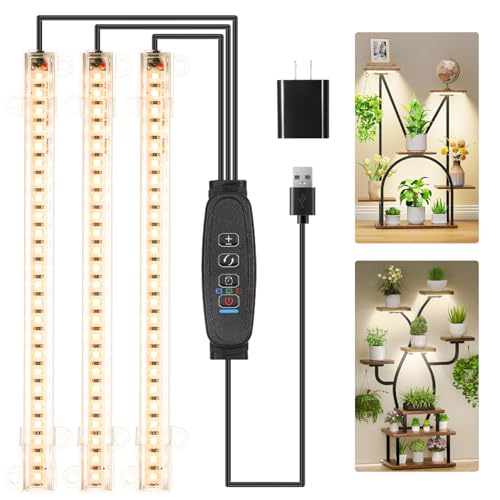
【7.8'' Light Strip and 72 Full Spectrum LEDs】The Grow Light has 72 LEDs and each light bar has 24pcs 3000K LEDs. High quality LEDs help plants grow with high light efficiency, high PPFD, low heat and longer lifespan. Indoor plant light emits all wavelengths from 380nm to 800nm, simulating natural sunlight to more effectively promote the growth of indoor plants.

Compact 8in-Fits Any Shelf or Stand: At just 8 inches and slim as a ruler, this LED grow light strip easily mounts on any plant stand, bookshelf, or windowsill — no drilling, no bulky clamps. Perfect for herbs in tiny apartments or succulents on a desk, it delivers full-spectrum power without dominating your space.
Signs of Sunlight Deficiency in Cucumber Plants
When cucumber plants don’t get enough sunlight, they show clear signs that they’re not thriving. Here are some indicators to watch out for:
- Stunted Growth: Your cucumber plants may appear smaller than expected.
- Yellowing Leaves: If you notice yellowing or pale leaves, it could be due to a lack of sunlight.
- Thinning Vines: The vines of your cucumber plant may be sparse instead of full and lush.
- Fewer Fruits: Limited sunlight can lead to a reduction in fruit production.
- Bitter Taste: Cucumbers from sunlight-deprived plants might have a bitter taste.
Don’t overlook these signals – they could indicate that your cucumber plants are in need of more sunlight for optimal growth.
Recommended Products

FULL SPECTRUM & NATURAL LIGHT: A19 full spectrum grow light appears 4000K white to eyes but has a red/blue light spectrum. Same as natural sun shine, perfect for tomatoes, cucumbers, peppers, leafy greens and herbs at all growth stages.
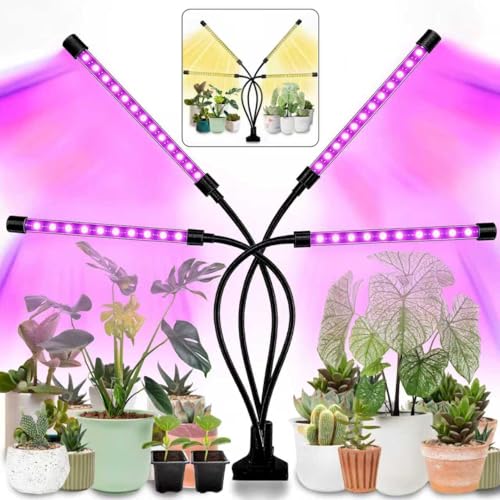
🌻Efficient LED Combination: This LED lamp has grow lights made up of 80 efficient growing LEDs ( 32 red lights, 12 blue lights,20 yellow lights and 16 white lights). It meets the conditions of plant growth without sunlight. 1--Full Spectrum(380nm-800nm): Suitable for all plants to root and sprout. 2--Red(660nm)+BLUE(460nm) Spectrum: for blooming and fruits. 3--Red+Blue+Full Spectrum: A mix of Red+Blue+Warm White is best to fuel the growth of your plants.

6000K White Light - equipped with 10 Red + 74 White LEDs, this growing Lamp is similar to the full-spectrum sunlight at noon,that is professionally designed for indoor garden plants.Moreover, its color rendering index is as high as 95, the light is soft and flicker-free, which is very suitable for reading lamp
Tips for Maximizing Sun Exposure for Cucumber Plants
To ensure your cucumber plants receive adequate sunlight, follow these tips:
- Choose the Right Location: Plant your cucumbers in an area that gets 6-8 hours of direct sunlight daily.
- Optimize Sun Angles: Position your plant beds so they receive the most sunlight possible during the day.
- Prune for Better Exposure: Regularly trim back any obstructing leaves or branches that may shade the plant.
- Use Reflective Mulch: Reflective mulch can help bounce sunlight back onto the plants, maximizing their exposure.
- Rotate Planting Spots: If growing in containers, move them throughout the day to continually expose them to sunlight.
| Fact | Data |
|---|---|
| Optimal sunlight needed | 6-8 hours |
Recommended Products

6000K Daylight Full Spectrum- Packed with 40 white and 8 red LEDs, this growth light throws a crisp 6000K beam that reads like real sunshine indoors. Built for flowers, herbs, peppermint, succulents, and seed starting, and flexible enough for hanging baskets, trellises, floor pots, and bonsai alike.

FULL SPECTRUM & NATURAL LIGHT: A19 full spectrum grow light appears 4000K white to eyes but has a red/blue light spectrum. Same as natural sun shine, perfect for tomatoes, cucumbers, peppers, leafy greens and herbs at all growth stages.

Conclusion
Ensure your cucumber plants get 6-8 hours of direct sunlight daily for their best growth. By choosing the right location, optimizing sun angles, pruning for better exposure, using reflective mulch, and rotating planting spots, you can help your plants thrive and yield plentiful fruits. Remember, sunlight is essential for your cucumber plants’ overall health and productivity. Happy gardening!
Frequently Asked Questions
Why is sunlight important for cucumber plants?
Sunlight is crucial for cucumber plants as they require 6-8 hours of direct sunlight daily for optimal growth. It aids in photosynthesis, which is essential for plant development and fruit production.
How can I maximize sunlight exposure for my cucumber plants?
You can increase sun exposure for cucumber plants by choosing a sunny location, orienting plants for maximum sunlight, pruning to improve light penetration, using reflective mulch to redirect sunlight, and rotating planting spots to ensure even exposure.
What are the benefits of optimizing sunlight for cucumber plants?
Optimizing sunlight for cucumber plants leads to better growth, increased fruit production, and improved overall plant health. Adequate sunlight enhances nutrient absorption, strengthens plants, and boosts fruit quality.
