

Ever wondered why your cucumber plants aren’t thriving as you hoped? Maybe it’s time to consider their garden companions. Picture this: a vibrant vegetable patch where cucumbers coexist harmoniously with other plants, each benefiting the other. But which plants make the best cucumber buddies? That’s where we come in to guide you through this green partnership journey.
Imagine the convenience of planting cucumbers alongside compatible companions that enhance growth, deter pests, and improve flavor. With the right plant partners, you can create a flourishing ecosystem in your garden that goes beyond just cucumbers. Ready to explore the world of companion planting and unlock the secrets to a bountiful harvest? Let’s dive in and discover the perfect plant pairings for your cucumbers.
Benefits of Companion Planting with Cucumbers
Planting cucumbers with compatible companions offers various advantages for your garden. Here are some benefits to consider:
- Improved Pest Management: Certain companion plants can help deter pests that commonly affect cucumbers, reducing the need for chemical pesticides.
- Enhanced Pollination: Bees and other pollinators are attracted to diverse plantings, which can boost cucumber pollination rates and improve fruit set.
- Optimized Space Utilization: Companion planting allows you to make the most of your garden space by growing plants that complement each other in terms of size, root depth, and nutrient needs.
- Ecosystem Support: Creating a biodiverse environment through companion planting promotes a healthier ecosystem in your garden, leading to increased resilience and sustainability.
- Enhanced Flavor and Growth: Some companion plants can enhance the flavor of cucumbers or improve their growth by providing beneficial nutrients or by acting as natural mulch.
| Improved Pest Management: | Enhanced Pollination: | Optimized Space Utilization: | Ecosystem Support: | Enhanced Flavor and Growth: |
|---|---|---|---|---|
| Reduction in chemical pesticides | Increased pollination rates | Efficient use of garden space | Promotes a healthy ecosystem | Improved flavor and growth |
Explore the benefits of companion planting with cucumbers to create a harmonious and thriving garden ecosystem.
Next, we will delve into practical tips for selecting the right companions for your cucumber plants.
Prominent Plants to Plant with Cucumbers
When choosing companions for your cucumber plants, consider these prominent plants that can enhance growth and ward off pests:
- Tomatoes: Help repel pests like aphids and beetles, complementing each other’s growth habits.
- Radishes: Act as a natural pest deterrent with their strong smell and can help break up compacted soil.
- Nasturtiums: Attract beneficial insects and provide a natural barrier against cucumber beetles.
- Beans: Fix nitrogen in the soil, benefiting cucumber growth, and offering structural support when planted together on trellises.
- Dill: Attracts pollinators and beneficial insects while deterring pests that can harm cucumber plants.
Interplanting these prominent plants with cucumbers can create a synergistic effect, promoting a healthy and productive garden environment. Experiment with different combinations to find what works best in your garden.
Recommended Products

A specially bred for growing indoors self-pollinated cucumber to grow in containers on your windowsill or in the greenhouses

BURPLESS AND LOW ACID – Smooth-skinned cucumbers with no bitterness, ideal for easy digestion, fresh eating, or quick-pickling snacks

Persian Cucumber: Authentic collectible category seeds. Premium Heirloom (USA): Non-GMO, Untreated, High germination rate. Eastern bestseller! A favorite of commercial gardening and restaurant art. Highly productive vine. Category: Gourmet Snack. The standard of taste, crunch, and sweetness among salad varieties.
Plants that Enhance Cucumber Growth
Curious about what to plant cucumbers with for optimal growth? Here are some key players that can benefit your cucumbers:
- Tomatoes: Enhance flavor and repel pests.
- Radishes: Improve soil structure and deter pests like cucumber beetles.
- Nasturtiums: Attract pollinators and repel aphids.
- Beans: Fix nitrogen in the soil, enriching it for cucumbers.
- Dill: Attracts beneficial insects and enhances cucumber growth.
When you plant these companion plants next to cucumbers, they work together to create a thriving garden environment. Experiment with different combinations to maximize growth and natural pest management in your garden.
Plants that Deter Pests from Cucumbers
When it comes to deterring pests from your cucumber plants, companion planting can play a crucial role. By strategically integrating certain plants into your garden, you can ward off unwanted pests naturally, reducing the need for chemical interventions.
Marigolds: Planting marigolds near your cucumbers can help deter nematodes, aphids, and other harmful insects. Their strong aroma acts as a natural repellent, creating a barrier that protects your cucumber plants.
Lavender: Not only does lavender add a lovely fragrance to your garden, but it also repels pests like moths, mosquitoes, and fleas. Interplanting lavender with cucumbers can help keep these nuisance insects at bay.
Chrysanthemums: These vibrant flowers contain pyrethrin, a natural insect repellent commonly used in organic pest control products. By planting chrysanthemums near your cucumber patch, you can deter a wide range of pests.
Garlic: Known for its distinctive flavor, garlic also has pest-repelling properties. Planting garlic around your cucumbers can help deter aphids, Japanese beetles, and spider mites.
Borage: This herb not only attracts beneficial insects but also repels harmful pests like tomato hornworms and cabbage worms. Consider adding borage near your cucumber plants for added protection.
Strawberries: Apart from being a tasty addition to your garden, strawberries emit compounds that can deter pests like aphids. Intercropping strawberries with cucumbers can contribute to a healthier ecosystem.
Diversifying your garden with these pest-deterring plants can create a natural shield around your cucumber crop, promoting a harmonious environment where pests are kept at bay.
Recommended Products

BEAUTIFUL & FRAGRANT - Variety pack of herb and flower seeds: 300-450 Catnip seeds (Nepeta cataria), 200-350 Crackerjack Marigold seeds (Tagetes erecta), 430-530 hyssop seeds (hyssopus officinalis), 300-400 Genovese Basil seeds (Ocimum basilicum), 180-220 Munstead Lavender seeds (Lavandula angustifolia), and 1400-1600 Petunia seeds (Petunia nana compacta)

Two (2) LARGE live Cucumber Patio Snacker Plants. Big, healthy, ready to grow. Premium plants, 4” to 8” tall, in 4” pots. Non GMO. No Neonicotinoids. Pollinator Friendly. Compact
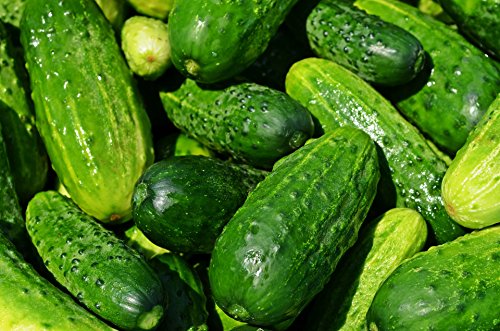
“Space Master 80” cucumber seeds. “Space Master” is a variety of cucumber that thrives in small spaces. Bush-like plants produce cucumbers in as little as 2 months from planting. Each packet yields an average of 17 plants, each producing 4 to 7 cucumbers per week.
Plants that Improve the Flavor of Cucumbers
When considering plants that can enhance the flavor of your cucumbers, there are a few excellent companions to choose from:
- Dill is a favorite among cucumbers as it can enhance their taste and thrive well together in the garden.
- Nasturtiums not only add a pop of color to your garden but also give a peppery flavor that complements cucumbers nicely.
- Cornflowers are not only attractive but also aid in improving the overall taste of cucumbers when planted nearby.
By interplanting these flavorful companions with your cucumber plants, you can create a harmonious mix that not only deters pests but also delivers delicious results straight from your garden to your table.
Conclusion
Enhance your cucumber garden by planting flavorful companions like dill, nasturtiums, and cornflowers. Not only will these plants help deter pests, but they’ll also elevate the taste of your cucumbers. By creating a diverse and harmonious environment, you can enjoy a bountiful harvest with delicious results. Happy planting!
Frequently Asked Questions
Can companion planting enhance the flavor of cucumbers?
Yes, companion planting, such as using dill, nasturtiums, and cornflowers, can enhance the flavor of cucumbers when grown alongside.
What are some plants that can improve the taste of cucumbers?
Dill, nasturtiums, and cornflowers are known to enhance the taste of cucumbers when planted as companions.
Besides flavor enhancement, what is another benefit of companion planting with cucumbers?
Companion planting with cucumber plants not only enhances flavor but also helps in naturally deterring pests from the garden.
How can companion planting create a harmonious garden ecosystem?
By incorporating flavorful companion plants like dill, nasturtiums, and cornflowers, a harmonious garden mix is created that repels pests and yields delicious results for consumption.
