

Ever wondered why your cucumber plants aren’t thriving as expected? How much sunlight do they really need to flourish? Picture this: you diligently water your cucumber plants, but they seem lackluster and frail. Could the secret lie in the sunlight they receive?
Imagine harvesting plump, juicy cucumbers straight from your garden, bursting with flavor and nutrients. Understanding the sunlight requirements of cucumbers could be the key to transforming your harvest this season.
Importance of Sunlight for Cucumbers
When it comes to cucumbers, sunlight plays a vital role in their growth and development. Here’s why it’s crucial:
- Photosynthesis: Sunlight is essential for cucumbers to produce their own food through photosynthesis.
- Nutrient Absorption: Cucumber plants need sunlight to absorb vital nutrients from the soil.
- Flowering and Fruiting: Adequate sunlight ensures proper flowering and fruiting, leading to a plentiful harvest.
- Resilience: Sunlight boosts the plant’s resilience, making it less susceptible to diseases and pests.
To ensure your cucumbers thrive, aim for about 6-8 hours of sunlight each day. This exposure will keep your plants healthy and productive.
Ideal Sunlight Exposure for Cucumber Plants
To thrive, cucumber plants need 6-8 hours of sunlight each day. Here’s why:
- Photosynthesis: Sunlight is crucial for cucumber plants to produce energy.
- Nutrient Absorption: It helps them absorb nutrients, promoting growth.
- Flowering and Fruiting: Adequate sunlight leads to healthy flowers and fruit production.
- Resilience: It boosts overall plant health and resilience.
Providing the recommended sunlight hours ensures strong, productive cucumber plants in your garden.
Signs of Sunlight Deficiency in Cucumber Plants
If your cucumber plants aren’t getting enough sunlight, they might show visible signs of distress. Here are some key indicators to watch out for:
- Slow Growth: Your cucumber plants might not grow as quickly as they should.
- Pale Leaves: If you notice the leaves are lighter in color than usual, it could be a sign of sunlight deficiency.
- Fewer Flowers: Insufficient sunlight may lead to a reduction in flowering.
- Sparse Fruiting: You might see fewer cucumbers developing on the plants.
- Weak Stems: The stems may appear leggy and weak.
Ensuring your cucumber plants receive the proper amount of sunlight is crucial for their health and productivity.
Recommended Products

Full Spectrum & Natural Light: A19 full spectrum grow light appears 4000K white to the eye but has a red/blue light spectrum. Same as natural sun shine, perfect for tomatoes, cucumbers, peppers, leafy greens and herbs at all growth stages.

NOTE: The product stand needs to be pressed down by the flower pot to be stable. Not wireless style. 2 Installation Methods: Specially designed plant light for indoor plants, which can be inserted in the soil or stand for lighting.Unique and easy to assemble and disassemble.
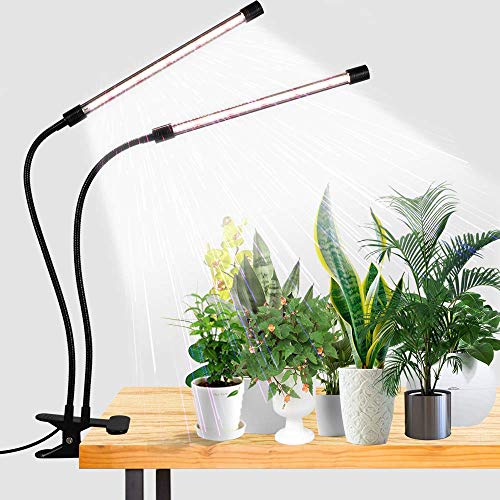
6000K White Light - equipped with 10 Red + 74 White LEDs, this growing Lamp is similar to the full-spectrum sunlight at noon,that is professionally designed for indoor garden plants.Moreover, its color rendering index is as high as 95, the light is soft and flicker-free, which is very suitable for reading lamp
Tips for Maximizing Sunlight for Cucumbers
To ensure your cucumber plants thrive, here are some practical tips for maximizing sunlight exposure:
- Choose the Right Location: Plant your cucumbers in a spot that receives at least 6-8 hours of direct sunlight per day.
- Optimize Plant Placement: Position your cucumber plants in a way that maximizes sunlight exposure, especially during the morning and early afternoon.
- Prune Excess Foliage: Regularly prune any excess leaves or branches that may be blocking sunlight from reaching the lower parts of the plant.
- Use Reflective Mulch: Consider using reflective mulch around your cucumber plants to help bounce sunlight back onto the leaves.
- Rotate Plantings: If possible, rotate your cucumber plantings to ensure all plants receive adequate sunlight throughout their growth cycle.
- Monitor & Adjust: Regularly monitor your plants for any signs of sunlight deficiency and adjust their placement or environment accordingly.
| Optimal Sunlight Exposure | 6-8 hours daily |
|---|---|
| Pruning Frequency | Regularly |
By following these tips, you can help your cucumber plants make the most of the sunlight they receive, promoting healthy growth and bountiful harvests.
Conclusion
Ensuring your cucumber plants receive 6-8 hours of sunlight daily is crucial for their growth, flowering, and fruiting. Signs of sunlight deficiency, like slow growth and weak stems, indicate the importance of adequate sunlight. By following practical tips such as optimizing plant placement and using reflective mulch, you can maximize sunlight exposure and promote healthy plant development. Remember, sunlight is vital for energy production and overall plant health. By prioritizing sunlight for your cucumber plants, you set them up for success and a bountiful harvest.
Frequently Asked Questions
How does sunlight benefit cucumber plants?
Sunlight is essential for cucumber plants as it enables photosynthesis, the process through which they convert light energy into chemical energy to produce food. Sunlight also aids in nutrient absorption, supports flowering, and encourages fruiting, ensuring overall plant health and productivity.
What are the signs of sunlight deficiency in cucumber plants?
Signs of sunlight deficiency in cucumber plants include slow growth, pale or yellow leaves, fewer flowers, sparse fruiting, and weak stems. These symptoms indicate that the plants are not receiving an adequate amount of sunlight to thrive and reach their full potential.
How can I maximize sunlight exposure for my cucumber plants?
To maximize sunlight exposure for cucumber plants, choose a sunny location with 6-8 hours of direct sunlight daily. Optimize plant placement to ensure all parts receive adequate light, prune excess foliage to reduce shade, use reflective mulch to bounce light back onto plants, rotate plantings to prevent shading, and monitor for signs of sunlight deficiency to adjust accordingly. These practices help ensure that cucumber plants receive the sunlight needed for healthy growth and abundant harvests.
