

Have you ever planted lettuce seeds and wondered when you could expect those first green shoots to pop up? You’re not alone. Many home gardeners share the same excitement and impatience as they eagerly await the arrival of their fresh greens.
Understanding how long it takes for lettuce to sprout can make your gardening experience smoother and more enjoyable. In this article, you’ll learn about the factors that influence sprouting time and tips to help you get the best results. Soon enough, you’ll be on your way to enjoying a bountiful harvest of crisp, delicious lettuce right from your garden.
Key Takeaways
- Germination Time: Lettuce seeds typically sprout within 7 to 14 days, depending on various factors such as temperature and moisture.
- Ideal Temperature: The optimal soil temperature for lettuce germination ranges from 60°F to 70°F; temperatures below 40°F or above 75°F can hinder sprouting.
- Moisture Management: Consistent moisture is crucial for germination; soil should be damp but not waterlogged, and avoid letting it dry out completely.
- Lettuce Varieties: Different lettuce types, like leaf and head lettuce, have varying sprouting times—leaf lettuce usually germinates faster (7 to 10 days) compared to head lettuce (10 to 14 days).
- Soil Quality: High-quality soil promotes better germination; ensure good drainage, amend with compost, and maintain a suitable pH level between 6.0 and 7.0 for optimal growth.
- Pest and Disease Prevention: Regularly inspect for pests and use barriers or organic pesticides to protect seedlings while ensuring proper soil drainage to avoid diseases like damping-off.
Understanding Lettuce Germination
Lettuce germination is an essential step for successful gardening. Knowing the details about how lettuce seeds sprout helps you prepare better.
The Germination Process
Germination starts when you water the soil. Water activates enzymes in the seed, signaling it to begin growing. You’re looking at 7 to 14 days for lettuce seeds to sprout. First, the seed absorbs moisture, then it swells. Following that, a root emerges, breaking through the seed coat. Finally, a stem pushes upward, becoming visible above the soil.
Factors Affecting Germination Time
Several factors impact how quickly lettuce seeds germinate.
- Temperature: Ideal soil temperature ranges from 60°F to 70°F. At lower temperatures, germination slows down significantly.
- Moisture: Consistent moisture is critical. Soil should remain damp yet not waterlogged. Too little water delays germination.
- Soil Quality: Using quality seed-starting mix facilitates better drainage and aeration. Nutrient-rich soil promotes healthy growth as well.
- Seed Variety: Different lettuce types, such as romaine or butterhead, may have varying germination times. Refer to seed packets for specific info.
By paying attention to these factors, you can create optimal conditions that encourage quicker germination, leading to a thriving lettuce garden.
Ideal Conditions for Lettuce Sprouting
Creating the right environment is essential for lettuce seeds to sprout effectively. Focus on temperature and moisture levels for optimal results.
Recommended Products
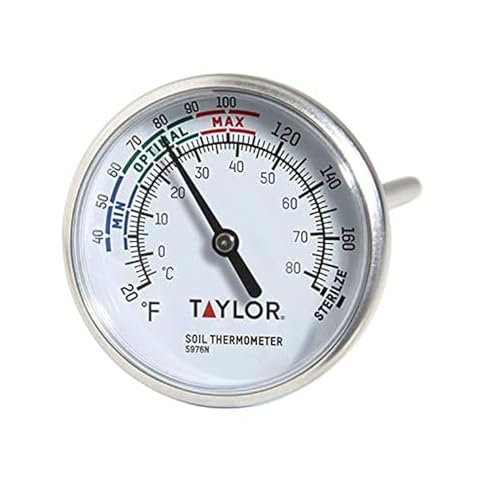
PRECISE SOIL TEMPERATURE READINGS: Measures soil temperatures from 20 degrees F to 180 degrees F (0 degrees C to 80 degrees C) with a large, easy-to-read analog dial face - no batteries or digital screens needed for reliable results every time

Kindly NOTE: This soil tester can not be applied to test pH value of any other liquid. If the soil is too dry the indicator will not move, and water it before testing.
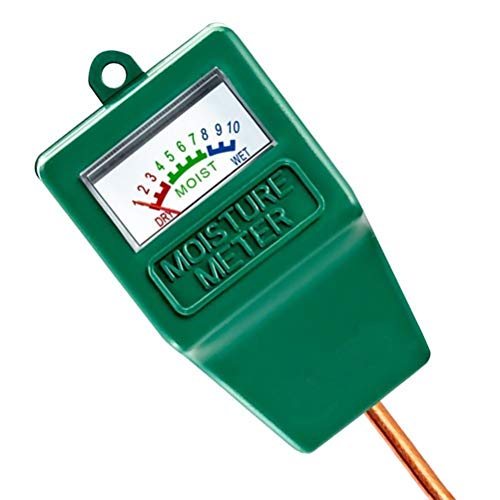
Soil Moisture Meter: This single probe soil moisture meter is specially designed for testing the moisture level in the soil, helps you decide whether the plants need water or not, helps to keep plants alive.
Temperature Requirements
Lettuce seeds germinate best at temperatures between 60°F and 70°F. These conditions promote enzyme activity, which kickstarts the germination process. If temperatures drop below 40°F or rise above 75°F, germination may slow down or stop altogether. It’s wise to monitor soil temperatures using a thermometer. A consistent environment also aids in uniform sprouting.
Moisture Levels
Maintaining proper moisture levels plays a crucial role in sprouting. Soil should be consistently moist but not waterlogged. Water the soil thoroughly before planting and keep it damp throughout the germination period. Using a spray bottle can help distribute moisture evenly without oversaturating the soil. Avoid letting the soil dry out completely, as this can hinder the germination process.
Varieties of Lettuce and Their Sprouting Times
Different types of lettuce vary in their sprouting times, so understanding these differences can help you plan your gardening activities more effectively.
Recommended Products

Sprouts or Microgreens-No Garden Needed - Grow crisp, fresh greens anywhere whether in a tiny apartment, busy workspace, or on the go. Sprout our Organic Salad Blend in a jar for a crunchy, nutrient-rich addition to meals. Alfalfa, broccoli, mung bean, lentil and radish seeds for planting are ideal for health-conscious individuals seeking a nutritious daily upgrade. This package includes seeds and growing instructions only. Sprouting jar sold separately.
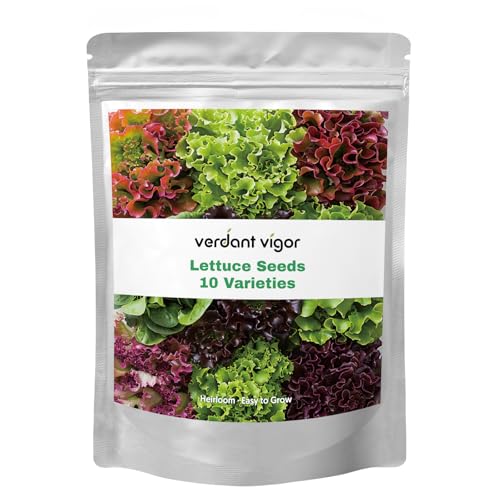
Healthy Food Source: Because of its tender flavor, lettuce is a popular vegetable for salad, sandwiches, wraps, soups, stir-fries and juice. There are over 20,000 seeds, 10 kinds of lettuce collection, including bibb, boston, iceberg, buttercrunch, grand rapids TBR, oakleaf, ruby leaf, cimmaron romaine and waldmann's

Heirloom Non-GMO Seeds: seed pod kit contains 6 kinds of lettuce seeds, they are Red&Green Leaf Lettuce, Romaine, Butter Head, Bibb Lettuce, Boston Lettuce, Buttercrunch Lettuce. Various kinds of lettuce seeds, each one is rich in nutritional value. 100% Non-GMO, open pollinated
Leaf Lettuce
Leaf lettuce varieties, such as Romaine and Butterhead, commonly sprout within 7 to 10 days under optimal conditions. These varieties are favored for their tender leaves and quick growth. They thrive in temperatures between 60°F and 70°F, making them suitable for early spring or fall planting. For success, ensure the soil remains consistently moist but never soggy.
Head Lettuce
Head lettuce varieties, including Iceberg and Crisphead, usually take a bit longer to sprout, typically around 10 to 14 days. They require slightly warmer soil temperatures for ideal germination. Optimal conditions include temperatures from 65°F to 75°F. Regular soil moisture is crucial; check daily to keep the soil damp. Use mulch to retain moisture and regulate soil temperature, promoting faster germination.
Knowing which type of lettuce you’re planting helps you set realistic expectations for sprouting times, enhancing your gardening experience.
Common Challenges in Lettuce Germination
Lettuce germination can be an exciting yet challenging process. Several factors may impact your success in sprouting lettuce seeds.
Recommended Products

USDA Certified Organic by Oregon Tilth

High Germination Rate: Enjoy a plentiful harvest with our Romaine Lettuce seed pod featuring excellent germination. Fresh, reliable seeds sourced from USA ensure quick sprouting and healthy growth.

4 Popular Heirloom Lettuce Varieties: Includes Red Romaine, Bibb Butterhead, Black Seeded Simpson, and Green Ice lettuce seeds to grow crisp, tender, and colorful salad greens with balanced flavor, texture, and visual appeal.
Pests and Diseases
Pests and diseases pose significant threats during the germination phase. Common pests include aphids, slugs, and snails, which can damage seedlings. To combat these pests:
- Inspect regularly: Check your garden daily for signs of pests.
- Use barriers: Implement floating row covers to protect tender seedlings.
- Apply organic pesticides: Utilize neem oil or insecticidal soap to manage outbreaks.
Diseases such as damping-off can occur due to overly moist conditions. To prevent this:
- Ensure proper drainage: Use well-draining soil to avoid excess moisture.
- Space seeds appropriately: Give each plant enough room for airflow and sunlight.
Soil Quality Issues
Soil quality directly affects lettuce germination. Poor soil can lead to poor sprouting rates. To improve soil quality:
- Test soil pH: Aim for a pH between 6.0 and 7.0 for optimal growth.
- Amend with compost: Add compost to enrich the soil with nutrients.
- Check texture: Ensure your soil has good structure, providing enough aeration.
Using high-quality soil or seed starters may help mitigate these issues. By addressing both pests/diseases and soil quality, you enhance your chances of successful lettuce germination.
Conclusion
Growing your own lettuce can be a rewarding experience. With a little patience and the right conditions you can enjoy fresh greens right from your garden. Remember to keep an eye on the temperature and moisture levels to give your seeds the best chance of sprouting.
If you encounter challenges along the way don’t get discouraged. With some care and attention you can overcome obstacles and watch your garden thrive. Before you know it you’ll be harvesting crisp lettuce to enjoy in your favorite dishes. Happy gardening!
Frequently Asked Questions
How long does it take for lettuce seeds to sprout?
Lettuce seeds typically sprout within 7 to 14 days. The exact time depends on conditions like temperature and moisture levels.
What factors affect lettuce germination?
Key factors include soil temperature, moisture, soil quality, and the specific seed variety. Ideal temperatures range from 60°F to 70°F.
How can I optimize conditions for lettuce sprouting?
Maintain consistent moisture in the soil without overwatering, ensure temperatures stay between 60°F and 70°F, and choose quality seeds for best results.
What types of lettuce germinate the fastest?
Leaf lettuce varieties usually sprout the quickest, taking about 7 to 10 days, while head lettuce varieties typically take 10 to 14 days.
How can I prevent pests and diseases during germination?
Inspect plants regularly, use floating row covers, and apply organic pesticides. Ensure good drainage and proper spacing to reduce disease risks.
What should I consider for soil quality?
Test the soil pH, amend with compost, and check soil texture to improve conditions for better lettuce sprouting and growth.
