

Have you ever found yourself staring at a head of romaine lettuce, unsure of how to cut it properly? You’re not alone! Many people struggle with getting the most out of this crunchy green, often wasting time or ending up with uneven pieces.
Key Takeaways
- Understanding Romaine Lettuce: Romaine lettuce is nutrient-rich, boasting vitamins A, C, and K, along with fiber and antioxidants, making it a versatile choice for various dishes.
- Selecting Fresh Lettuce: When choosing romaine, look for firmness, bright green color, and size, ensuring you select the freshest heads available.
- Proper Storage Techniques: Refrigerate romaine immediately, wrap it in a damp cloth, and store in a perforated plastic bag within the crisper drawer to maintain freshness.
- Efficient Cutting Method: Remove the core, cut the head in half, and slice crosswise into pieces to achieve clean and even cuts for salads and toppings.
- Health Benefits: Romaine lettuce is low in calories, high in fiber, and packed with vitamins, offering hydration support and potential cardiovascular health benefits.
- Creative Uses: Incorporate romaine into salads, wraps, and meals to enjoy its crisp texture and health advantages.
Understanding Romaine Lettuce
Romaine lettuce, a staple in salads and sandwiches, boasts a crisp texture and robust flavor. Nutritionally, it’s rich in vitamins A, C, and K, along with fiber and antioxidants. Its dense leaves hold moisture well, making it versatile for various dishes.
Characteristics of Romaine Lettuce
- Texture: Romaine lettuce has sturdy, elongated leaves that provide a satisfying crunch.
- Flavor: With a slightly bitter, sweet undertone, it complements many flavors, from tangy dressings to grilled meats.
- Color: Vibrant green hues characterize the outer leaves, while the inner leaves turn lighter, indicating freshness.
Selecting Fresh Romaine Lettuce
When buying romaine, look for these features:
- Firmness: Choose heads that feel solid with no soft spots.
- Color: Opt for bright green leaves without brown patches or wilting.
- Size: Larger heads yield more servings and tend to be fresher.
Storing Romaine Lettuce
Proper storage prolongs freshness and maintains texture:
- Refrigeration: Store in the vegetable crisper drawer at temperatures between 32°F and 35°F (0°C to 2°C).
- Separation: Keep leaves intact until use to prevent moisture loss.
- Wrapping: Use damp paper towels around the leaves before placing them in a breathable bag for optimal humidity control.
Cutting Romaine Lettuce
Cutting romaine doesn’t need to be complicated:
- Preparation: Wash the leaves thoroughly under cool running water to remove dirt and pesticides.
- Drying: Spin leaves in a salad spinner or pat dry with a clean towel to prevent sogginess.
- Cutting Technique:
- Stack several leaves on a cutting board.
- Use a sharp knife to cut crosswise into strips or chop into bite-sized pieces.
By mastering these basics, you can enjoy fresh and crisp romaine lettuce in your meals every day.
How to Cut Romaine Lettuce
Cutting romaine lettuce doesn’t have to be a hassle. Follow these steps for clean, even pieces that enhance your salads and dishes.
Recommended Products
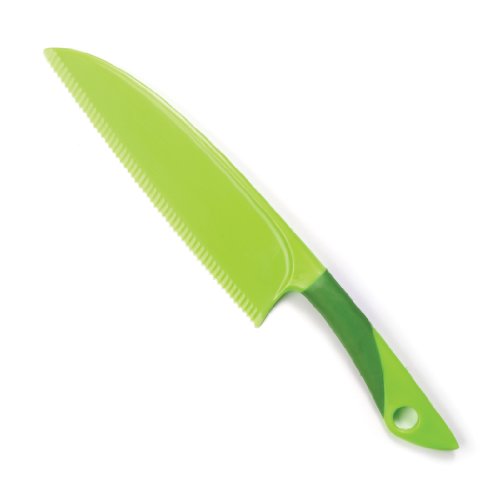
Non-slip, soft grip handle

Maximum drying power: One-handed pump spins lettuce, herbs or fruit fast with minimal effort. Dry greens quickly with no plugs or cords needed.

PREVENTS LETTUCE & SALAD BROWNING: Durable polystyrene plastic blade cuts cleanly through delicate greens, romaine, and cabbage without oxidizing cut edges, keeping tossed salads fresher and crisper longer.
Preparing Your Cutting Area
- Clear a workspace: Start with a clean, flat surface, such as a cutting board. Remove unnecessary items to avoid clutter.
- Gather your tools: Use a sharp knife and a bowl for holding cut lettuce. A sturdy knife prevents tearing and ensures precision.
- Wash your hands: Hygiene matters. Clean your hands before handling food.
- Remove the core: Position the lettuce upright. Use your knife to cut down into the core at an angle, removing it completely.
- Cut the head in half: Slice the romaine head lengthwise down the middle. This creates two halves for easier handling.
- Chop into pieces: Place each half cut-side down on the board, then slice crosswise. Aim for 1-inch pieces for salads or smaller bits for toppings.
- Rinse and dry again: After cutting, rinse the lettuce pieces to remove any remaining dirt. Dry them with a salad spinner or a clean kitchen towel.
By following these steps, you can efficiently cut romaine lettuce for your meals, ensuring fresh, crisp additions to your plate.
How to Store Romaine Lettuce
Storing romaine lettuce properly keeps it fresh and crunchy for longer. Follow these tips for short-term and long-term storage.
Recommended Products

Keep your produce fresh for longer: The PrepSolutions Lettuce Keeper keeps your produce fresh with an adjustable air vent and water reservoir, creating the ideal environment for fresh fruits and vegetables. Item measures 12.5" W x 7.25" D x 5.25" H and weighs 1.14 lbs.
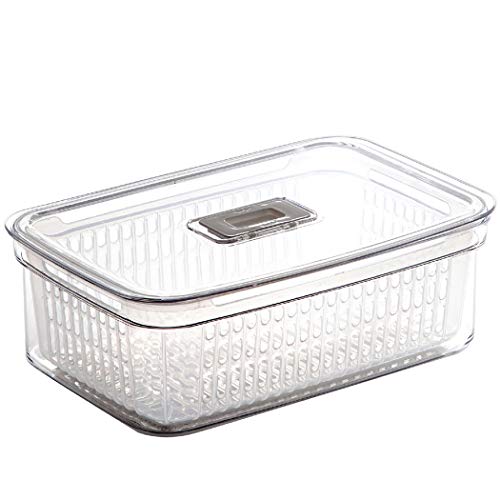
Clever Design: The BINO produce saver is made of a durable material that is easy to clean and has a tight-fitting lid to keep out moisture and air. It has a removable colander-style basket that helps drain any excess water.

Clever Design: The BINO produce saver is made of a durable material that is easy to clean and has a tight-fitting lid to keep out moisture and air. It has a removable colander-style basket that helps drain any excess water.
Short-Term Storage Tips
- Refrigerate Immediately: Place your romaine lettuce in the refrigerator as soon as you arrive home. The cool environment slows down spoilage.
- Use a Damp Cloth: Wrap the romaine in a slightly damp paper towel. The moisture helps maintain freshness without making it soggy.
- Store in a Plastic Bag: Keep the wrapped lettuce in a perforated plastic bag. This allows air circulation while retaining some humidity.
- Place in the Crisper Drawer: Store the bag in the crisper drawer. This area maintains the ideal humidity for leafy greens.
- Wash and Dry: If you’re storing cut romaine, wash it thoroughly and dry it using a salad spinner. Excess moisture can lead to wilting.
- Freeze for Later Use: Blanch chopped romaine in boiling water for a minute, then transfer it to an ice bath. Drain and pack it into freezer bags, removing excess air.
- Store in Airtight Containers: For longer storage, place washed and dried leaves in airtight containers. This prevents exposure to air, which causes browning.
- Use Containers with Ventilation: Opt for containers designed for storing greens. These often include features that allow for airflow while protecting the leaves.
By applying these storage techniques, you can keep your romaine lettuce fresh, ready for salads, wraps, and other meals.
Health Benefits of Romaine Lettuce
Romaine lettuce offers numerous health benefits that enhance your diet. Packed with essential nutrients, it’s an excellent addition to meals.
- Rich in Vitamins: Romaine contains significant amounts of vitamins A, C, and K. Vitamin A supports eye health. Vitamin C boosts your immune system. Vitamin K is crucial for bone health.
- Low in Calories: With only about 15 calories per serving, romaine allows you to enjoy large portions without worrying about weight gain.
- High in Fiber: One serving of romaine provides dietary fiber, which helps maintain digestive health. Fiber promotes regular bowel movements and can prevent constipation.
- Antioxidant Properties: The antioxidants found in romaine lettuce combat oxidative stress and reduce inflammation in the body. This can lower the risk of chronic diseases.
- Hydration Support: With a high water content (around 95%), romaine helps keep you hydrated. Staying hydrated is essential for overall health and well-being.
- Cardiovascular Health: The potassium in romaine supports proper heart function and helps manage blood pressure levels. This contributes to overall cardiovascular health.
Incorporating romaine into your meals not only adds a crisp texture but also provides numerous health benefits. Enjoy it in salads, wraps, or as a crunchy side to various dishes.
Conclusion
With the right techniques you can easily cut and store romaine lettuce to keep it fresh and delicious. By following the simple steps for cutting and using effective storage methods you’ll enjoy crisp lettuce in your meals without any hassle.
Remember to choose the freshest heads and store them properly to maximize their flavor and nutritional benefits. Whether you’re making a salad or adding it to a wrap romaine lettuce can elevate your dishes while supporting your health.
So go ahead and give it a try. You’ll be amazed at how easy it is to enjoy this nutritious green in your everyday cooking.
Frequently Asked Questions
How do you cut romaine lettuce properly?
To cut romaine lettuce, start by washing and drying the leaves. Remove the core, then cut the head in half lengthwise. Next, chop it into bite-sized pieces and rinse again. Use a sharp knife for clean cuts, ensuring even pieces for salads or wraps.
What are the nutritional benefits of romaine lettuce?
Romaine lettuce is packed with vitamins A, C, and K, which support eye health, boost immunity, and promote bone strength. It is low in calories, high in dietary fiber, and contains antioxidants that may help reduce inflammation and chronic disease risk.
How should I store romaine lettuce?
For short-term storage, wrap the romaine in a damp cloth and place it in a perforated plastic bag in the crisper drawer. For cut romaine, wash and dry thoroughly before refrigeration. For longer-term storage, consider blanching and freezing in airtight containers.
What should I look for when selecting fresh romaine lettuce?
When choosing romaine lettuce, look for firm heads with vibrant green color and no signs of wilting or browning. The leaves should be crisp and sturdy, indicating freshness and quality for the best flavor and texture.
Why is it important to dry romaine lettuce after washing?
Drying romaine lettuce after washing prevents it from wilting and helps keep it crisp. Excess moisture can lead to soggy leaves and promote spoilage, so thorough drying ensures your lettuce remains fresh for salads and other dishes.
