

Have you ever wondered how to enjoy fresh lettuce right from your garden? It’s a satisfying experience to harvest your own greens, but knowing the right way to cut those leaves can make all the difference.
Key Takeaways
- Understand Lettuce Types: Familiarize yourself with various lettuce types like Romaine, Butterhead, Iceberg, and Leaf to choose the best growing and cutting methods.
- Ensure Optimal Growth Conditions: Provide lettuce with the right temperature, light, soil, and water to promote healthy growth and enhance flavor.
- Use Proper Tools: Equip yourself with sharp garden shears, gloves, a kneeling pad, and containers to facilitate an efficient and safe harvesting experience.
- Cut at the Right Time: Harvest lettuce in the morning when leaves are crisp, and select outer leaves first to encourage further growth.
- Make Clean Cuts: Use sharp tools to cut leaves 1 to 2 inches above the base, avoiding pulling to minimize stress on the plant.
- Store Cut Lettuce Properly: Rinse and dry cut leaves gently, then store in an airtight container with a damp paper towel in the fridge to maintain freshness.
Understanding Lettuce Growth
Lettuce growth varies based on type and conditions. Understanding these factors leads to a successful harvest.
Types of Lettuce
You’ll find several types of lettuce, each with unique characteristics:
- Romaine: Crisp, upright leaves. Ideal for salads and sandwiches.
- Butterhead: Soft, tender leaves. Provides a mild flavor.
- Iceberg: Dense, crunchy head. Popular in salads and burgers.
- Leaf: Loose, leafy structure. Grows quickly and offers diverse colors.
Knowing the type helps you choose the right growing technique.
Optimal Growth Conditions
Lettuce thrives in specific conditions. Here are key factors to ensure effective growth:
- Temperature: Ideal range is 60°F to 70°F. Plant in spring or fall to avoid heat stress.
- Light: Requires 12 to 16 hours of sunlight daily. Use partial shade in hot climates.
- Soil: Prefers well-drained, fertile soil with a pH of 6.0 to 6.8. Incorporate compost for nutrients.
- Water: Keep soil consistently moist. Water deeply; avoid overwatering to prevent root rot.
By providing these conditions, you enhance lettuce growth and quality.
Tools Required for Cutting Lettuce
Gathering the right tools makes harvesting lettuce easier and more efficient. Here’s what you need to get started.
Essential Gardening Tools
- Sharp Garden Shears: Use sharp shears to ensure clean cuts. This minimizes damage to the remaining plant and promotes regrowth.
- Kneeling Pad: A comfortable kneeling pad helps protect your knees while you work in the garden. It makes bending down to cut leaves less stressful.
- Basket or Container: Select a basket or container to collect the harvested lettuce. This helps keep your greens fresher during transport.
- Garden Gloves: Wear sturdy garden gloves to protect your hands. Gloves also provide grip, making it easier to handle tools.
- Safety Glasses: If you work with tools that can produce debris, safety glasses offer protection for your eyes. They shield against any accidental splashes or cuts.
- Sun Protection: Use a wide-brimmed hat and sunscreen to protect your skin from sun exposure while working outdoors. Staying safe in the sun keeps you comfortable during harvest.
Equipping yourself with these tools ensures a successful and enjoyable lettuce-cutting experience.
How to Cut Lettuce Leaves from Garden
Cutting lettuce leaves correctly enhances your harvest and keeps your plants healthy. Focus on timing and techniques to ensure fresh greens.
Timing Your Harvest
Harvest lettuce when the leaves reach a size suitable for your needs, typically 4 to 8 inches long. Morning is the best time to cut lettuce because the leaves are crisp and fully hydrated. Avoid harvesting during the hottest part of the day to prevent wilting. If the weather has been particularly dry, wait until after a watering session for the best results.
- Choose the Right Leaves: Select outer leaves first. This encourages the inner leaves to continue growing.
- Use Sharp Tools: Use clean, sharp garden shears or scissors. This helps prevent damage to the plant.
- Make Clean Cuts: Cut leaves 1 to 2 inches above the base of the plant. This keeps the root and inner leaves intact for continued growth.
- Avoid Pulling: Don’t pull leaves from the plant. This can cause stress and damage.
- Harvest in Batches: Gather only what you need for immediate use. This keeps the plant productive.
- Store Properly: Place cut leaves in a container with a damp paper towel. Keep them in the refrigerator to maintain freshness.
Best Practices for Preserving Freshness
Preserving the freshness of your lettuce after cutting ensures you enjoy the best flavor and texture.
Recommended Products

Keep your produce fresh for longer: The PrepSolutions Lettuce Keeper keeps your produce fresh with an adjustable air vent and water reservoir, creating the ideal environment for fresh fruits and vegetables. Item measures 12.5" W x 7.25" D x 5.25" H and weighs 1.14 lbs.

𝐊𝐞𝐞𝐩𝐬 𝐕𝐞𝐠𝐞𝐭𝐚𝐛𝐥𝐞𝐬 𝐅𝐫𝐞𝐬𝐡 𝐋𝐨𝐧𝐠𝐞𝐫: The Home-X salad keeper for refrigerator is designed to preserve the freshness of lettuce, broccoli, cauliflower, and more. It creates an ideal cold, moist storage environment to help your vegetables stay crisp and fresh for longer periods.
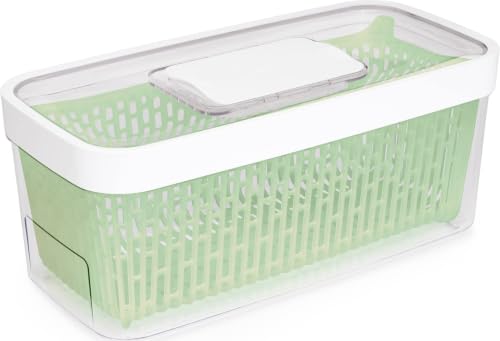
GreenSaver Produce Keeper prevents fruits and vegetables from spoiling too quickly
After Cutting Care
Handle cut leaves with care. Gently rinse them under cool water to remove dirt. Pat them dry using a clean kitchen towel or salad spinner. Avoid crushing the leaves to maintain their crispness. If you cut them in the morning, they’ll be more hydrated, enhancing their freshness.
Keep the cut pieces together in a single layer if possible. This helps reduce moisture loss. Aim to consume or store your cut lettuce within a few hours for optimal quality.
Storing Finished Lettuce
Store your lettuce in a way that retains its crispness. Place the cut leaves in an airtight container. Add a damp paper towel inside to maintain humidity, which keeps leaves fresh longer. Refrigerate them immediately. Aim to set your fridge to a temperature between 32°F and 36°F for best results.
Avoid washing the leaves until you’re ready to use them; this prevents excess moisture. If using a plastic bag, leave it slightly open to allow airflow. Regularly check for any wilted leaves and remove them to prevent them from affecting the freshness of the others.
Conclusion
Harvesting lettuce from your garden can be a rewarding experience. With the right techniques and tools you can enjoy fresh greens while ensuring your plants continue to thrive. Remember to cut the outer leaves first and handle them gently to keep them crisp and delicious.
Storing your cut lettuce properly will help maintain its freshness so you can enjoy those homegrown flavors in your meals. Whether you’re tossing a salad or adding greens to a sandwich the satisfaction of using your own garden produce is unmatched. So grab your shears and get ready to enjoy the fruits of your labor!
Frequently Asked Questions
What types of lettuce can I grow in my garden?
You can grow several types of lettuce, including Romaine, Butterhead, Iceberg, and Leaf. Each variety has unique characteristics and growing requirements, making them suitable for different gardening spaces and preferences.
How do I know when to harvest lettuce?
Harvest lettuce when the leaves are 4 to 8 inches long. It’s best to cut in the morning when the leaves are crisp and hydrated, ensuring optimal flavor and quality.
What tools do I need for harvesting lettuce?
Essential tools include sharp garden shears for clean cuts, a kneeling pad for comfort, a collection basket, sturdy gloves, safety glasses, and sun protection gear like a hat and sunscreen.
What is the best way to cut lettuce?
Cut outer leaves first to encourage inner growth, using clean, sharp tools. Make cuts 1 to 2 inches above the base and avoid pulling leaves to prevent plant damage.
How do I store harvested lettuce to keep it fresh?
Place cut leaves in a container with a damp paper towel and refrigerate them. Keep it at a temperature between 32°F and 36°F, and avoid washing until ready to use.
How can I maintain the crispness of cut lettuce?
Handle cut leaves gently, rinse them under cool water, and pat dry. Store in a single layer in an airtight container with a damp paper towel to retain humidity and freshness.
