

Have you ever wondered how often to water your lettuce plants for the best results? If you’ve struggled to keep your greens crisp and vibrant, you’re not alone. Many gardeners face the challenge of finding the right balance between too much and too little water.
Key Takeaways
- Consistent Care is Key: Lettuce plants require regular watering to thrive, significantly impacting their health and flavor.
- Balance is Essential: Proper watering prevents issues like wilting due to underwatering or root rot from overwatering, affecting leaf texture and taste.
- Adapt to Conditions: Factors like climate, soil type, plant maturity, and growing methods dictate how often you should water, necessitating adjustments.
- Recognize Symptoms: Watch for signs of underwatering (wilted leaves) and overwatering (yellowing leaves) to understand your plants’ hydration needs better.
- Best Timing: Water in the early morning or late afternoon to optimize moisture absorption and minimize evaporation, while avoiding midday watering.
- Seasonal Adjustments: Monitor soil moisture more frequently in hot weather, while reducing watering in cooler months based on rainfall and temperature fluctuations.
Understanding Lettuce Plant Needs
Lettuce plants thrive on consistent care, especially with watering. Meeting their hydration needs ensures they grow vibrant and healthy.
Recommended Products

Trusted Since 2015: Become one of the many plant lovers who rely on the proven accuracy of XLUX. Established in 2015, our soil moisture meter has earned over 60,000+ verified ratings for its consistent performance. While many many newer brands come and go, we provide the long-term reliability and quality that American households have trusted for over a decade.

【SAVE YOUR PLANTS】: Over watering can cause problems with your plants or even kill them. This soil moisture meter helps you know the soil is dry, moist or wet.No more over watering!
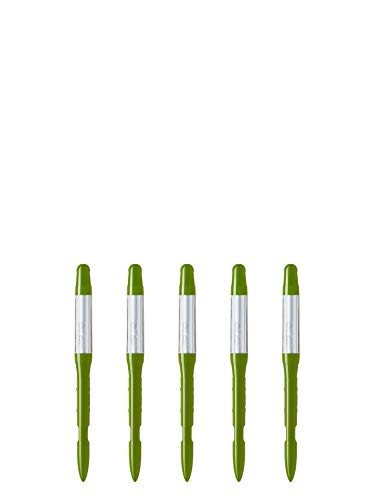
Dimensions: 0.4 x 0.3 x 4.7 inches (small) - Intended for pot sizes of 2, 2.5, and 3 - Ideal for small succulents
Importance of Watering
Watering plays a crucial role in lettuce growth. It impacts leaf texture and flavor. Insufficient water can lead to wilting, while too much can cause root rot. Maintaining the right balance affects overall plant health. For example, well-watered lettuce enjoys crisp leaves, whereas under-watered lettuce develops a bitter taste.
Factors Affecting Watering Frequency
Several factors influence how often you water your lettuce plants:
- Climate: Hot, dry weather increases evaporation, requiring more frequent watering. Conversely, cooler, humid conditions reduce the need.
- Soil Type: Sandy soils drain quickly, necessitating more regular watering. Clay soils retain moisture, so you can water less often.
- Plant Maturity: Younger plants need more moisture for establishment. As lettuce matures, you can slightly decrease watering frequency.
- Growing Method: Hydroponic systems retain moisture better than traditional soil gardens. This impacts your watering schedule accordingly.
By considering these factors, you can tailor your watering routine to best support your lettuce plants.
Signs of Underwatering and Overwatering
Recognizing signs of underwatering and overwatering is crucial for maintaining healthy lettuce plants. Paying attention to these indicators helps you adjust your watering practices effectively.
Recommended Products

Accurate Soil Moisture Detection: The XLUX Soil Moisture Meter can tell you if the soil deep inside your pot or garden is dry, moist or wet; whereas your eyes and fingers can only determine the moisture level of the soil surface. The probe is 5.5 inches (14 cm) longer than regular styles, allowing it to measure the soil moisture at the bottom of larger and deeper flower pots.

Soil Moisture Meter: This single probe soil moisture meter is specially designed for testing the moisture level in the soil, helps you decide whether the plants need water or not, helps to keep plants alive.

Accurate Monitor: Visible window from blue to white as soil moisture decreases. One glance tells you if there's a water shortage.
Recognizing Leaf Changes
Look for specific leaf changes to identify issues with water levels. For underwatered lettuce, leaves might appear wilted or droopy. They may also curl at the edges, leaving an unappetizing look. In contrast, overwatered plants often show yellowing leaves, particularly at the base, which could lead to mushy or rotten textures. Observing these symptoms allows you to make informed decisions about your watering routine.
Impact on Growth and Yield
Watering inconsistencies greatly impact growth and yield. Underwatering can stunt growth, causing lettuce to develop smaller heads. Flavor can also suffer, resulting in bitter-tasting leaves. Conversely, overwatering creates a favorable environment for pests and diseases, such as root rot. Ultimately, both extremes lead to reduced yields, so maintaining a balanced watering schedule supports vibrant, flavorful lettuce.
Best Practices for Watering Lettuce
Watering lettuce requires attention to detail for optimal growth. Proper techniques and timing can significantly impact your garden’s yield and flavor.
Recommended Products

Slowly waters the soil around your plants for complete root zone hydration; Ideal for short runs on flat surfaces, such as vegetable gardens, borders, and around small plants

Higher Cost Performance Provide: enough length soaker hoses to get higher cost performance,and our 1/4 " diameter soaker hose set not only include 100 Ft length soaker hose but also include a rich range of accessories for a variety of uses,help you make custom length soaker hoses cheap & easy.

【Even & Consistent Root Watering】Features micro-pore seepage technology that distributes water evenly along the entire hose, transforming spot watering into uniform line watering directly to plant roots. Unlike traditional drip irrigation systems with clog-prone emitters, this soaker hose creates a continuous moisture band for healthier, deeper-rooted plants
Time of Day for Watering
Water lettuce plants early in the morning or late in the afternoon. Morning watering allows plants to absorb moisture before the heat of the day. Late-day watering minimizes evaporation, helping maintain soil moisture overnight. Avoid watering during the hottest part of the day; it can stress the plants and lead to inefficient water use.
Techniques for Efficient Watering
Employ several techniques to ensure your lettuce receives adequate hydration:
- Soaker Hoses: Use soaker hoses to deliver water directly to the soil. This reduces evaporation and targets root zones effectively.
- Drip Irrigation: Install a drip irrigation system for consistent moisture without wetting the foliage. This method helps prevent fungal diseases.
- Watering Cans: For small gardens, a watering can provides precise control over water application. Aim the spout at the base of the plants to keep leaves dry.
Monitor soil moisture using your finger or a moisture meter. Water when the top inch of soil feels dry. Adjust intensity and frequency based on weather conditions and plant size. These practices keep your lettuce crisp and healthy.
Seasonal Considerations
Understanding seasonal changes helps you adjust your watering schedule for lettuce plants. Variations in temperature and humidity impact moisture levels in the soil and the needs of your plants.
Watering in Hot Weather
Watering during hot weather requires more attention. High temperatures can lead to rapid evaporation, so you need to increase your watering frequency. Check the soil daily; if the top inch feels dry, give your plants a thorough soak. Aim for early morning or late afternoon watering to reduce evaporation loss. For example, during summer, you might need to water every day or every other day, especially if temperatures exceed 85°F.
Watering in Cooler Months
Cooler months lower evaporation rates, which reduces watering needs. Monitor soil moisture less frequently, as cool air retains moisture longer. Watering once or twice a week may suffice, depending on rainfall. Experiment with your schedule; if you notice wilting leaves, increase your watering. In fall and winter, protect your plants by covering them with frost cloths, which can help maintain soil moisture, while ensuring you still provide adequate water when necessary.
Conclusion
Finding the right watering schedule for your lettuce plants can make all the difference in their health and flavor. By paying attention to the signs your plants give you and adjusting based on the weather and soil moisture, you can keep your greens thriving. Remember that consistency is key and that a little extra care goes a long way.
As you grow your lettuce, don’t hesitate to experiment with different techniques and timings to see what works best for your garden. With a bit of practice, you’ll be able to enjoy vibrant and delicious lettuce in no time. Happy gardening!
Frequently Asked Questions
How often should I water my lettuce plants?
Lettuce plants generally require watering every 2-3 days, but this can vary based on factors like climate, soil type, and plant size. Monitor your soil to determine the right frequency, ensuring it remains consistently moist but not soggy.
What signs indicate my lettuce is underwatered?
Underwatered lettuce typically appears wilted, droopy, or limp. If you notice these symptoms, check the soil moisture and adjust your watering schedule to ensure your plants receive adequate hydration.
How can I tell if my lettuce is overwatered?
Overwatered lettuce usually shows yellowing leaves, particularly at the base. If your plants appear unhealthy or the soil feels soggy, reduce your watering frequency and improve drainage to prevent root rot.
What techniques work best for watering lettuce?
Using methods like soaker hoses, drip irrigation, or watering cans ensures even and efficient hydration. Watering in the early morning or late afternoon also helps minimize water loss due to evaporation.
How does temperature affect my watering routine?
High temperatures increase evaporation rates, requiring more frequent watering for your lettuce. During cooler months, evaporation decreases, so you can water less often. Regularly check the soil moisture to adjust accordingly.
Can inconsistent watering affect my lettuce growth?
Yes, inconsistent watering can stunt growth and lead to bitter-tasting leaves from underwatering. Overwatering can create conditions favorable for pests and diseases, negatively impacting the health and yield of your lettuce.
Should I check soil moisture before watering?
Absolutely! It’s crucial to check the top inch of soil for dryness before watering. This practice helps you avoid overwatering and ensures your lettuce receives the correct moisture level for optimal growth.
What seasonal factors should I consider for watering lettuce?
Seasonal variations in temperature and humidity affect soil moisture and plant needs. Monitor weather conditions and adjust your watering schedule to ensure your lettuce gets adequate hydration throughout the growing season.
