

Growing ginger indoors can yield a bountiful harvest with the right techniques. Start by selecting healthy ginger rhizomes and providing optimal conditions for growth, including light, moisture, and temperature control.
Essential Supplies for Indoor Ginger Growth
To successfully grow ginger indoors, having the right supplies is crucial. From choosing the best containers to ensuring optimal soil conditions, each element plays a vital role in fostering a healthy ginger plant. This section outlines the essential items you need to create an ideal environment for thriving indoor ginger growth.
Before starting your ginger-growing project, ensure you have the necessary supplies. This preparation will set you up for success and facilitate the growth process.
Ginger rhizomes: Look for plump, fresh pieces with visible eyes.
Potting soil: Use a well-draining mix that retains moisture.
Containers: Choose pots that are at least 12 inches deep.
Watering can: Ensure it has a spout for controlled watering.
Fertilizer: Select a balanced, organic fertilizer for optimal growth.
| Supply Item | Purpose |
|---|---|
| Ginger rhizomes | Source of growth |
| Potting soil | Provides nutrients |
| Containers | Holds the plant |
| Watering can | Facilitates watering |
| Fertilizer | Enhances growth |
Recommended Products

What You Will Receive: You will receive a premium pack of 3 Fresh Sprouting Ginger Roots (Rhizomes). These represent the "seed" stage of the plant, hand-selected for active growth nodes ("eyes") and readiness to plant immediately upon arrival.

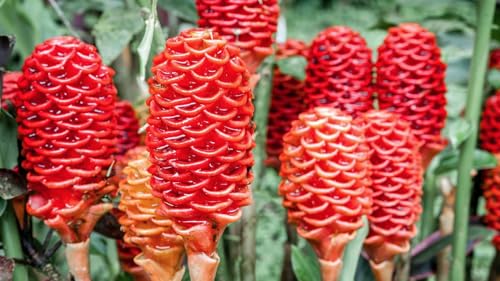
What You Will Receive – Three (3) live Shampoo Ginger Rhizomes (Zingiber zerumbet), also called Pinecone Ginger, shipped bare root and carefully inspected for health to ensure strong growth when planted.
Ginger Rhizome Preparation Techniques
Preparing ginger rhizomes properly is crucial for successful indoor growth. This section delves into effective techniques that enhance sprouting and promote robust plant development. By understanding these preparation methods, you can maximize your yield and ensure a thriving ginger garden right in your home.
Properly preparing your ginger rhizomes is crucial for successful growth. Follow these steps to ensure they are ready for planting.
Select healthy rhizomes: Choose pieces that are firm and have at least one eye.
Cut into sections: If large, cut into 1-2 inch pieces, ensuring each has an eye.
Allow to dry: Let the cut pieces sit for 24 hours to form a protective callus.
Soak in water: Soak the rhizomes for a few hours before planting to promote growth.
Ideal Indoor Conditions for Ginger Growth
Creating the right indoor environment is crucial for successful ginger growth. This section will explore the specific conditions that promote healthy development, including temperature, humidity, and light requirements. By understanding these factors, you can optimize your indoor space to yield a thriving ginger plant.
Ginger thrives in specific conditions that mimic its natural habitat. Establishing these conditions indoors will enhance growth and yield.
Light: Place pots in a location with bright, indirect sunlight. A south-facing window is ideal.
Temperature: Maintain temperatures between 70-85°F for optimal growth.
Humidity: Increase humidity by misting the plants or placing a humidifier nearby.
Watering: Keep the soil consistently moist but not soggy. Water when the top inch feels dry.
Recommended Products

Portable & Space-Saving Design: Colorful Mini Humidifier Ultra-compact size (just 4.7" tall) with a lightweight build, perfect for desks, nightstands, or travel. Takes up minimal space while delivering powerful hydration anywhere

MINI COOL MIST FOR DESKS AND HOME OFFICES: This 600mL plug-in ultrasonic humidifier delivers steady cool mist for desks, home offices and personal spaces around 108 sq ft. Its green finish also fits naturally near indoor plants when placed on a level, moisture-protected surface.
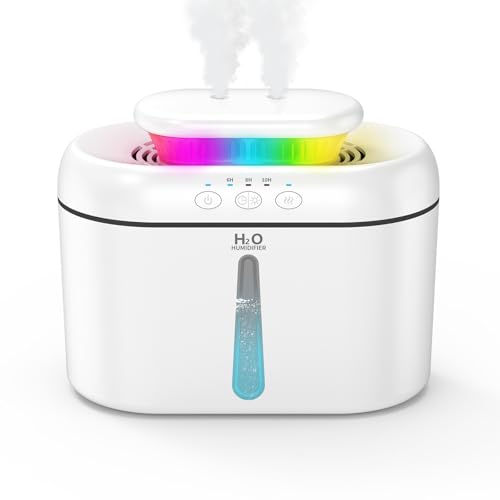
INNOVATIVE DOUBLE MIST TECH FOR 2X FASTER RELIEF: Unlike ordinary single-nozzle humidifiers, SZO is designed with dual spray outlets to double the mist output. It rapidly raises humidity levels in just 20 minutes, providing instant relief for dry skin, coughing, and congestion. Perfect for those who need quick comfort in bedrooms or offices.
Indoor Ginger Growth Stage Management
Successfully managing the growth stages of ginger indoors is crucial for achieving robust plants and a bountiful harvest. Understanding the specific needs of ginger during each phase—from sprouting to maturation—will help you create an optimal environment. This section offers essential tips to ensure your indoor ginger thrives throughout its growth journey.
Understanding the growth stages of ginger will help you manage its care effectively. Monitor these key stages for best results.
Sprouting: Expect shoots to emerge within 2-3 weeks.
Leaf development: As leaves grow, ensure they receive adequate light.
Maturity: Ginger typically matures in 8-10 months. Harvest when leaves yellow and die back.
Fertilize and Maintain Indoor Ginger Plants
To ensure your indoor ginger plants thrive, proper fertilization and maintenance are crucial. This section will guide you through the essential practices for nurturing your ginger, including the right types of fertilizers and care techniques that promote healthy growth and maximize your harvest. By following these expert tips, you can cultivate robust ginger plants in the comfort of your home.
Regular maintenance is essential for healthy ginger plants. Implement a fertilization schedule to promote growth.
Fertilization frequency: Apply fertilizer every 4-6 weeks during the growing season.
Type of fertilizer: Use a balanced organic fertilizer to provide necessary nutrients.
Watering schedule: Adjust based on humidity and temperature. Overwatering can lead to rot.
Recommended Products
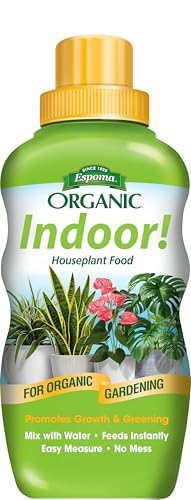
ORGANIC PLANT FOOD: This liquid fertilizer for indoor plants provides organic nutrients to ensure superior results.

MADE FROM PLANTS: Miracle-Gro Organic Plant Food is an outdoor and indoor plant fertilizer made from plants for all plants for Successful Organic Gardening Made Attainable

100% Plant and Mineral Based. Safe and Sustainable — No Synthetic Chemicals or Factory-Farmed Animal Waste Inside.
Troubleshoot Common Indoor Ginger Problems
Growing ginger indoors can be rewarding, but it often comes with its own set of challenges. Understanding common issues that may arise, such as pests, inadequate light, or improper watering, is essential for cultivating healthy plants. This section will help you identify and troubleshoot these problems to ensure your indoor ginger thrives.
Even with the best care, issues can arise. Identifying and addressing these problems promptly will ensure your ginger thrives.
Yellowing leaves: May indicate overwatering or nutrient deficiency.
Pests: Check for aphids or spider mites. Use insecticidal soap if necessary.
Mold growth: Ensure proper drainage and avoid overwatering to prevent mold.
| Issue | Solution |
|---|---|
| Yellowing leaves | Adjust watering and fertilization |
| Pests | Apply insecticidal soap |
| Mold growth | Improve drainage and reduce watering |
Optimal Timing for Ginger Harvest
Timing is crucial when it comes to harvesting ginger for the best flavor and yield. Understanding when to pull your ginger plants can significantly impact their quality and potency. This section will guide you through the optimal timing for harvesting ginger indoors to ensure you achieve the best results.
Knowing when to harvest your ginger is critical for flavor and quality. Follow these guidelines for the best results.
Timing: Harvest after 8-10 months when leaves start to yellow.
Method: Carefully dig up the rhizomes using a garden fork to avoid damage.
Storage: Store harvested ginger in a cool, dry place. Use fresh or freeze for later use.
Do not wait too long to harvest, as overripe ginger may lose flavor and texture.
