

Have you ever wondered if you can plant lettuce and collards together in your garden? You’re not alone. Many gardeners face this question, especially when trying to maximize space and yield. With the right knowledge, you can create a thriving garden that features both of these nutritious greens.
Key Takeaways
- Lettuce and collards can be successfully planted together, enhancing space utilization and boosting nutritional value in your garden.
- While lettuce prefers cooler temperatures, collards thrive in warmer conditions, allowing for a complementary growth dynamic.
- Companion planting benefits include pest deterrence, improved soil quality, and creating a favorable microclimate for both crops.
- Proper spacing is crucial; plant lettuce in front and collards behind to optimize light access and reduce competition for resources.
- Regular monitoring for pests and diseases is essential, as both crops can be susceptible to similar issues.
Overview of Lettuce and Collards
Lettuce and collards are popular greens in many gardens. They offer distinct flavors and nutritional benefits, making them excellent choices for planting together.
Nutritional Benefits
Lettuce is low in calories and high in water content, providing hydration and essential vitamins like A and K. Collards are rich in fiber, calcium, and vitamins C and K, supporting bone health and immune function. Together, these greens boost nutrient intake and enhance your meals. For example, combining both in salads increases variety and nutritional value.
Growing Conditions
Lettuce prefers cooler temperatures, thriving between 60°F and 70°F. It requires partial shade to prevent bolting during hot days. Collards, on the other hand, tolerate warmer conditions, flourishing in temperatures up to 85°F. Both plants enjoy well-drained, nutrient-rich soil. Plant lettuce in the front rows and collards behind them to maximize space and light access. This arrangement promotes growth and eases maintenance tasks like harvesting and watering.
Companion Planting Basics
Companion planting involves selecting plants that benefit each other when grown close together. Understanding these relationships helps you create a thriving garden environment.
Recommended Products

USDA Certified Organic by Oregon Tilth

Salad greens and cooking greens: Grow three leaf lettuces plus spinach, kale, arugula, collards and Swiss chard. Choose different greens for fresh salads and cooked garden meals.

The Best Value - Organo Republic Lettuce Iceberg Seeds Pack contains 3g or 3,100 Non-GMO heirloom lettuce seeds. Iceberg Lettuce (Lactuca sativa var. capitata) is known for its crisp texture and mild flavor, making it the perfect addition to fresh vegetable salads or culinary creations.
Importance of Companion Planting
Companion planting enhances plant growth and pest management. You can promote healthier crops by pairing compatible plants. This method can maximize space, encourage natural pest predators, and improve soil quality. Observing how plants interact in your garden increases overall yields and reduces the need for chemical interventions.
Benefits of Planting Lettuce and Collards Together
Planting lettuce and collards together offers numerous advantages.
- Space Utilization: Lettuce matures quickly, allowing collards to occupy the same area after lettuce is harvested.
- Microclimate Creation: Collards provide shade for lettuce, helping it thrive in warm weather.
- Pest Deterrence: The distinct scents and flavors of these greens can repel specific pests like aphids, minimizing damage to both plants.
- Nutritional Balance: Growing both types of greens provides a varied diet rich in vitamins, minerals, and fiber.
By taking advantage of these benefits, you create a more productive and efficient gardening experience.
Practical Considerations
When planting lettuce and collards together, practical factors play a crucial role in ensuring a successful garden. Understanding space requirements and pest management strategies helps you maximize the benefits of companion planting.
Recommended Products
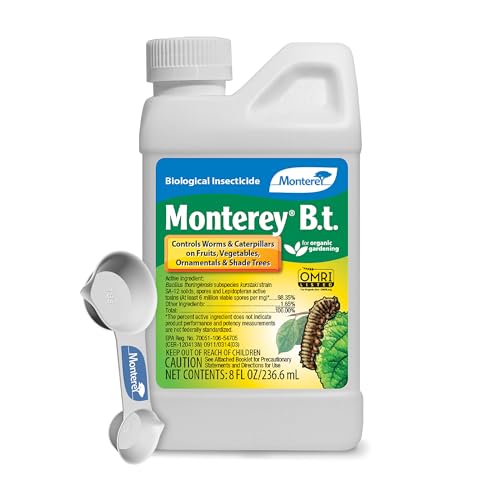
INSECT KILLER - This pest control is designed for use on caterpillars and worm type insects, such as cabbage looper, bagworm, gypsy moth, fall cankerworm, elm spanworm and many more.


Insect killer - This pest control is great for use on red humped caterpillars, cabbage looper, diamondback moth, omnivorous leaf roller, tent caterpillar, and many more.
Space Requirements
Lettuce and collards require different amounts of space to thrive. Lettuce plants generally need about 12 inches between them, while collards can occupy up to 18 inches per plant. To efficiently utilize your garden plot, plant lettuce in the front rows and collards behind them. This arrangement ensures collards don’t overshadow the lettuce, allowing both plants to receive adequate sunlight. For instance, if you have a 4-foot row, you can fit five lettuce plants and three collard plants. This spacing supports healthy growth while maintaining easy access for watering and harvesting.
Pest Management
Combining lettuce and collards can also benefit pest management. Lettuce often attracts pests like aphids, while collards’ strong aroma can deter these pests. You can create a natural barrier by planting collards around or behind your lettuce, reducing the likelihood of insect infestations. Additionally, insect-friendly practices, such as introducing beneficial insects like ladybugs or using organic sprays, enhance this approach. Regular monitoring for signs of pests ensures you catch issues early, maintaining a healthy garden for both crops.
Potential Issues
While planting lettuce and collards together has its benefits, some potential issues can arise.
Disease Risks
Lettuce and collards can both be susceptible to similar diseases. For instance, diseases such as downy mildew and bacterial leaf spot affect both plants. It’s crucial to monitor each crop for signs of illness, as a single infected plant can spread disease quickly. Practicing crop rotation and selecting disease-resistant varieties can help minimize these risks. Ensure you maintain proper spacing to promote airflow, which reduces humidity and decreases the chances of fungal infections.
Competition for Resources
Collards are more robust than lettuce and may compete for sunlight, water, and nutrients. This competition can hinder the growth of lettuce, especially if collards overshadow them. To mitigate this, position collards behind or alongside lettuce, ensuring they’re not blocking sunlight. Water both crops consistently, but be mindful of the differing needs; lettuce thrives on moisture, while collards prefer slightly drier soil. Regularly checking soil moisture levels and adjusting your watering schedule can prevent competition-related stress on either crop.
Conclusion
Planting lettuce and collards together can be a rewarding experience for your garden. By understanding their unique needs and growth habits you can create a thriving environment for both. With proper planning and care you’ll not only maximize your space but also enjoy the benefits of these nutritious greens.
Remember to keep an eye on their moisture levels and watch for any signs of disease. By doing so you’ll help ensure a bountiful harvest that enhances your meals. So go ahead and give it a try—your garden will thank you for it!
Frequently Asked Questions
Can I plant lettuce and collards together?
Yes, you can plant lettuce and collards together. They complement each other well, utilizing space efficiently and providing mutual benefits like pest deterrence and enhanced growth conditions.
What are the benefits of planting lettuce and collards together?
Planting lettuce and collards together helps maximize space and create a microclimate. Collards can provide shade for lettuce, while their distinct aromas may deter pests, promoting healthier plants.
What are the ideal growing conditions for lettuce and collards?
Lettuce thrives in cooler temperatures and partial shade, while collards can tolerate warmer conditions. It’s best to plant them in a position that allows both to receive adequate sunlight.
How far apart should I space lettuce and collards?
Lettuce should be spaced about 12 inches apart, and collards need up to 18 inches. This spacing helps ensure both plants receive enough light and nutrients for healthy growth.
What pest management strategies can I use for these crops?
To manage pests, consider planting collards near lettuce, as their strong scent can deter common pests. Regular monitoring and insect-friendly practices will also help maintain a healthy garden.
Are there any risks to planting these crops together?
Yes, both lettuce and collards can be susceptible to similar diseases like downy mildew. Monitor for signs of disease, practice crop rotation, and select disease-resistant varieties to reduce risks.
How can I prevent competition between lettuce and collards?
To minimize competition, carefully position collards so they don’t overshadow lettuce. Regularly check soil moisture and water both plants to accommodate their differing moisture needs.
