

Are you tired of overcrowded lettuce plants that just don’t thrive? You’re not alone! Many gardeners struggle with spacing their lettuce, leading to poor growth and less flavorful leaves.
Key Takeaways
- Importance of Spacing: Proper spacing is essential for healthy lettuce growth, allowing access to sunlight, water, and nutrients while preventing overcrowding.
- Recommended Distances: Space head and romaine lettuce 12-18 inches apart, and leaf lettuce 6-12 inches apart to optimize growth and yield.
- Airflow and Maintenance: Adequate spacing improves airflow, reducing disease risks, and makes maintenance tasks like watering and harvesting easier.
- Growing Conditions: Factors such as soil quality, sunlight, and temperature influence the required spacing for different lettuce varieties.
- Common Mistakes: Avoid overcrowding, neglecting seedling thinning, and ignoring soil conditions to promote robust lettuce plants and increase yield.
- Crop Rotation: Implementing crop rotation aids in maintaining soil health and preventing pest issues, further enhancing lettuce growth.
Importance Of Proper Spacing
Proper spacing of lettuce plants enhances their growth and overall health. When spaced correctly, lettuce plants receive adequate sunlight, water, and nutrients. This leads to robust, flavorful leaves. In contrast, overcrowded plants compete for these vital resources. They often yield smaller crops that lack taste.
Recommended Products

Precise Spacing for Better Growth - This seed spacers planting tool helps you mark evenly spaced seed positions and straight planting rows, giving plants more consistent room to grow while improving garden organization and reducing guesswork.

Precise Planting Measurement: The foldable plant ruler is designed to provide precise measurements for seed spacing, ensuring optimal growth for a variety of vegetables including carrots, tomatoes, peas, potatoes, and cabbage.

DON’T RISK A SMALL HARVEST Avoid the frustration of low yields caused by overcrowded or poorly spaced plants. Inspired by Square Foot Gardening, Seed Spacer Tool prevents spacing mistakes that hold your garden back — giving you the big, healthy harvest you deserve.
Benefits Of Adequate Spacing
- Better Airflow: Ample space between plants allows for better air circulation, reducing the risk of fungal diseases.
- Ease of Maintenance: With proper spacing, you can access each plant easily for watering, harvesting, or pest inspection.
- Optimized Growth: Giving plants sufficient room ensures they grow to their full potential, promoting larger, more flavorful heads of lettuce.
Recommended Spacing
For optimal results, space your lettuce plants 12 to 18 inches apart in rows. If growing in containers, ensure each plant has at least 6 to 8 inches of space. This layout accommodates various lettuce types, including romaine and butterhead.
- Mark Your Rows: Use string or garden markers to define rows before planting, ensuring consistent spacing.
- Thin Seedlings: If sowing seeds directly, thin out the seedlings once they establish a couple of leaves. Aim for the recommended spacing.
- Rotate Crops: Implement crop rotation to maintain soil health and reduce pest buildup, further enhancing plant performance.
Address these spacing concerns directly, and your lettuce will thrive in optimal conditions.
Factors Influencing Spacing
Spacing lettuce plants depends on several factors, including plant variety and growth conditions. Understanding these factors helps you achieve the best results in your garden.
Plant Variety
Different lettuce varieties require varying spacing. For instance:
- Head Lettuce: Space head lettuce 12 to 18 inches apart. This variety needs room to grow large and form dense heads.
- Leaf Lettuce: Leaf lettuce thrives when spaced 6 to 12 inches apart. It grows bushy and doesn’t need as much room as head varieties.
- Romaine Lettuce: For romaine, aim for 12 to 18 inches between plants. It develops tall, upright leaves that benefit from ample space.
Choosing the right spacing based on the variety ensures optimal growth and a bountiful harvest.
Growth Conditions
Growth conditions play a crucial role in determining spacing. Consider these elements:
- Soil Quality: Nutrient-rich, well-draining soil allows plants to stretch and grow. Improve soil quality with compost to enhance growth.
- Sunlight Availability: Ensure lettuce receives 6 to 10 hours of sunlight daily. Proper spacing allows light to reach all leaves.
- Watering Practices: Consistent moisture supports healthy growth. Spacing enables efficient watering without oversaturating the soil.
- Temperature: Lettuce prefers cooler conditions, typically 60 to 70°F. Plant spacing promotes airflow, reducing heat-related stress.
By evaluating these growth conditions, you can adjust spacing for healthy, thriving lettuce plants.
Recommended Spacing Techniques
Proper spacing is vital for healthy lettuce plants. This section covers effective methods for spacing them correctly.
Recommended Products

【Perfect Size】These plant labels size:6x10cm (2.4x3.9 inch),suitable for most plant pots and plants,enough room to write,Package contains 100 Pcs Plant labels,Value for money
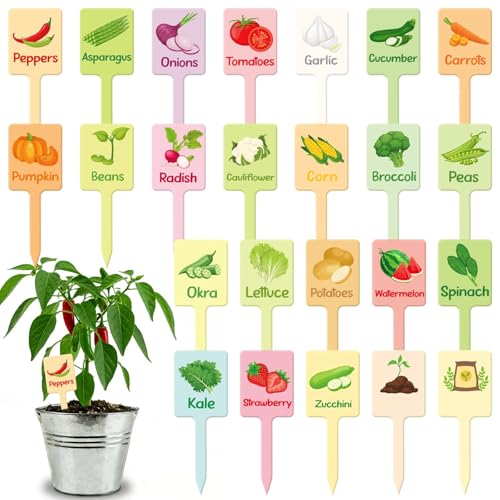
Sufficient Quantity: 24 pieces vegetable labels signs, including 22 styles of vegetables and 2 blank sign, which can meet your needs of labeling different plants and make your plant management more efficient and convenient,garden labels can meet the needs of garden lover

Rich Quantity and Styles: you can receive 30 pieces of funny garden markers totally, including 26 pieces printed with different names of vegetables and fruits, and 4 pieces gnome plant labels in blank, rich quantity and styles can fully meet your daily use and replacement needs; These cute gnome garden markers will add your garden more fun
Row Spacing
Row spacing impacts plant growth significantly. Space rows 12 to 18 inches apart. Wider rows allow for better airflow and easier access for maintenance tasks like weeding and harvesting. For smaller gardens or raised beds, 12 inches may suffice. For larger plots, consider spacing at 18 inches to accommodate garden tools and your movement.
Plant Spacing Within Rows
Plant spacing within rows also matters. Space plants 6 to 8 inches apart. This distance provides sufficient room for each plant to expand while preventing overcrowding. For leaf lettuce varieties, opt for closer spacing at around 6 inches apart. For larger varieties, like head lettuce and romaine, use 8 inches to support their growth.
- Seedlings: Thin seedlings in each row to maintain optimal spacing. It’s easier to do this when plants are young.
- Markers: Use garden markers to define your rows and spacing clearly. This visual aid ensures you plant at the recommended distances.
- Regular Checks: Regularly check your plants as they grow. Adjust spacing if necessary to avoid competition for resources.
Following these spacing techniques promotes robust growth and improves overall yield.
Common Mistakes To Avoid
- Ignoring Spacing Guidelines: Overcrowding lettuce plants leads to poor growth. Follow the recommended spacing of 12 to 18 inches between rows and 6 to 8 inches within rows. This ensures each plant gets enough sunlight and nutrients.
- Neglecting Seedling Thinning: Failing to thin seedlings often results in competition for resources. Thin out seedlings to keep the strongest ones. This promotes better air circulation and overall plant health.
- Planting Without Consideration for Variety: Different lettuce varieties have unique spacing needs. For instance, romaine requires more space than leaf lettuce. Research specific needs based on the variety you choose.
- Overlooking Soil Quality: Ignoring soil conditions can hinder growth. Test soil pH and nutrient levels before planting. Healthy soil supports robust lettuce plants.
- Skipping Regular Maintenance Checks: Disregarding regular plant checks leads to unnoticed problems. Inspect your lettuce every week for pests, disease, or nutrient deficiencies. Catching issues early prevents larger problems later.
- Failing to Rotate Crops: Planting lettuce in the same spot year after year can deplete soil nutrients. Rotate crops to maintain soil health and prevent disease buildup.
- Underestimating Water Needs: Allowing lettuce to dry out can stress the plants. Keep the soil consistently moist, especially during hot weather. Use mulch to help retain soil moisture.
- Not Using Row Markers: Omitting row markers can result in uneven planting. Use markers to maintain consistent spacing, making it easier to follow your planting plan.
By recognizing and addressing these common mistakes, you create better growing conditions for your lettuce plants, which increases health and yields.
Conclusion
Spacing your lettuce plants properly is key to a thriving garden. By giving each plant the room it needs you’re setting the stage for healthier growth and tastier leaves. Remember to consider the specific requirements of different varieties and keep an eye on common pitfalls that can hinder your success.
With a little attention to detail and care you’ll enjoy a bountiful harvest of fresh lettuce. Happy gardening and enjoy the fruits of your labor!
Frequently Asked Questions
What are the effects of overcrowding lettuce plants?
Overcrowding lettuce plants can lead to stunted growth, poor flavor, increased disease susceptibility, and lower yields. When plants are too close together, they compete for sunlight, water, and nutrients, negatively impacting their overall health.
How much space should I leave between lettuce plants?
A good rule of thumb is to space lettuce plants 6 to 12 inches apart, depending on the variety. Row spacing should be about 12 to 18 inches apart to ensure adequate airflow and sunlight for optimal growth.
What are the common mistakes to avoid when growing lettuce?
Common mistakes include ignoring spacing guidelines, neglecting to thin seedlings, overlooking soil quality, skipping maintenance checks, failing to rotate crops, underestimating water needs, and not using row markers to maintain plant organization.
How do soil quality and environmental conditions affect lettuce spacing?
Soil quality and environmental conditions, such as moisture levels and sun exposure, can influence the spacing of lettuce. Poor-quality soil may require closer spacing to maximize yields, whereas well-drained soil with adequate nutrients allows for wider spacing.
Why is it important to thin lettuce seedlings?
Thinning seedlings ensures that each plant has enough space to grow without competition from its neighbors, allowing for better airflow, nutrient uptake, and sun exposure. This practice helps promote healthier plants and improves overall yield.
