

Ever wondered how long it takes for those vibrant yellow flowers on your cucumber plants to turn into crunchy green goodness? Picture this: you’ve nurtured your cucumber plant, eagerly awaiting the moment those blossoms transform into fresh cucumbers. But how soon can you expect to harvest your homegrown cucumbers after they start flowering?
Understanding Cucumber Flowering
When cucumber plants start to flower, it’s an exciting time as it indicates that fruit is on the way. Here’s what you need to know about cucumber flowering:
- Female flowers bear the miniature cucumbers.
- Male flowers play a crucial role in pollination.
- Bees are typically responsible for transferring pollen between flowers.
Pollination is essential for fruit production. If pollination doesn’t occur, cucumbers may fail to develop.
To ensure successful pollination, consider planting pollinator-friendly vegetation near your cucumbers to attract pollinators.
After pollination, you can generally expect to see small cucumbers start to form within 7 to 14 days, depending on the cucumber variety and growing conditions.
Remember, the timeframe from flowering to harvest can vary, but with the right care and attention, you’ll soon be enjoying fresh, homegrown cucumbers.
Pollination Process
When it comes to cucumbers and their growth, the Pollination Process stands as a crucial step.
Pollination is vital for cucumber development. Bees play a key role in this process. They transfer pollen from male to female flowers, contributing to successful fruit formation.
To ensure optimal pollination, consider planting pollinator-friendly plants in your garden. This can attract bees and other pollinators, enhancing the chances of a bountiful harvest.
Remember, without proper pollination, cucumber growth might be limited or deformed, impacting the quality of the fruit.
By understanding and supporting the pollination process, you’re setting the stage for healthy cucumber growth and a satisfying harvest.
Fruit Development Timeline
After flowering, cucumbers typically take 7-14 days to begin developing. Once pollinated, they go through several stages before reaching maturity:
- Week 1: Small and green, the fruit grows rapidly.
- Week 2: Length increases, and the fruit starts to swell.
- Week 3: Enlargement continues, and the skin becomes smoother.
- Week 4: Cucumber reaches its ideal size and is ready for harvest.
To ensure optimal growth:
- Consistent watering is crucial throughout the process.
- Regular monitoring allows you to spot issues early.
- Proper fertilization supports healthy development.
Understanding this timeline helps you gauge progress and anticipate when to expect a bountiful cucumber harvest.
Recommended Products

🥒 EXPERTLY CRAFTED FOR CUCUMBER PRODUCTIVITY – Gardenera LIQUID POWER Cucumbers Fertilizer is designed to enhance vine growth, flowering, and high-yield fruiting for all cucumber types, including slicing, pickling, and greenhouse varieties.
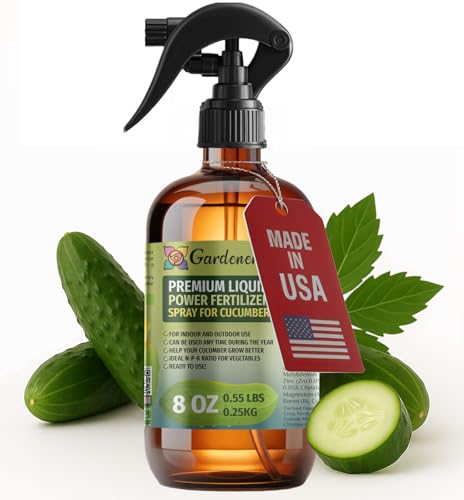
🌿 READY-TO-USE CONVENIENCE – Skip the hassle of measuring and mixing. This LIQUID POWER cucumber fertilizer spray comes fully premixed in an easy-to-use spray bottle, ready for immediate application to your garden or indoor plants.

BIGGER PLANTS: Miracle-Gro Water Can Singles All Purpose Plant Food is a water soluble plant fertilizer that grows plants twice as big (vs unfed plants)
Factors Influencing Growth
When it comes to how long cucumbers take to grow after flowering, there are several key factors that can influence the speed and success of this process. Understanding these factors can help you optimize your cucumber growth and ensure a bountiful harvest.
- Temperature: Cucumbers thrive in warm temperatures, ideally between 70-85°F (21-29°C). Cooler temperatures can slow down growth, while excessive heat can stress the plants.
- Sunlight: Cucumbers need plenty of sunlight to grow. Aim for at least 6-8 hours of direct sunlight per day for optimal growth and fruit development.
- Watering: Consistent watering is crucial for cucumber plants. Keep the soil evenly moist, especially during hot weather, to prevent issues like bitter fruit or blossom end rot.
- Nutrients: Providing the right nutrients through fertilization is key. Use a balanced fertilizer high in nitrogen, phosphorus, and potassium to support healthy growth and fruit production.
- Pest and Disease Control: Keeping an eye out for pests and diseases is essential. Regular monitoring and prompt action can prevent issues that may hinder growth and reduce yield.
- Pollination: Proper pollination is crucial for fruit development. Bees are natural pollinators for cucumbers, so ensure your garden attracts pollinators for successful fruit set.
Understanding these factors and taking proactive steps to address them can help you optimize the growth of your cucumber plants and ensure a successful harvest.
Recommended Products

High Phosphorus & Potassium Fertilizer – Designed to deliver elevated phosphorus and potassium for targeted plant support.

HIGH-PHOSPHORUS, HIGH-POTASSIUM 0-52-34 – Concentrated phosphorus and potassium nutrition with zero nitrogen for targeted feeding when plants need additional PK without additional nitrogen

Balanced 5-10-10 Fertilizer Formula – 5-10-10 fertilizer delivers essential nutrients with higher phosphorus and potassium to support plant development.
Harvesting Time
After the flowering stage, you’re probably eager to know how long it will take for your cucumbers to be ready for picking. The timeline from flowering to harvest primarily depends on the cucumber variety you are growing. Here’s a general overview for common cucumber types:
- Slicing Cucumbers: These are typically ready for harvest in about 55 to 65 days after flowering.
- Pickling Cucumbers: Pickling cucumbers are usually ready for harvest sooner, at around 45 to 55 days after flowering.
- Burpless Cucumbers: Burpless varieties have a longer harvest window, usually around 50 to 70 days after flowering.
Optimal conditions during this period are crucial for the cucumbers to develop fully and reach their peak flavor. Ensure consistent watering, nutrient levels, and sunlight exposure for a successful harvest.
Keep a close eye on your cucumbers as they grow. Regular monitoring allows you to pick them at the right time, preventing them from becoming overripe or bitter. Harvesting cucumbers promptly also encourages the plant to continue producing more fruit.
Remember, the best way to determine if your cucumbers are ready for harvest is by checking their size and color. Most cucumbers are ready to pick when they reach a certain length and firmness, usually indicated on the seed packet or plant label.
Conclusion
So, now you know the importance of timing when it comes to harvesting cucumbers. Different varieties have their own specific timelines from flowering to harvest, and it’s crucial to maintain optimal conditions throughout this period. By regularly monitoring the size and color of your cucumbers, you can ensure they are picked at the right time, maximizing their flavor and preventing them from becoming overripe or bitter. Remember, a little attention to detail goes a long way in encouraging your cucumber plant to keep producing more delicious fruit. Happy harvesting!
Frequently Asked Questions
What are the different varieties of cucumbers discussed in the article?
The article discusses slicing, pickling, and burpless cucumbers and their specific timelines from flowering to harvest.
Why is it crucial to maintain optimal conditions during the cucumber harvesting period?
Maintaining optimal conditions like consistent watering, nutrient levels, and sunlight exposure is essential for the cucumbers to develop fully and attain peak flavor.
Why is regular monitoring significant in picking cucumbers at the right time?
Regular monitoring ensures that cucumbers are not overripe or bitter and encourages the plant to continue producing more fruit.
How can you determine if cucumbers are ready for harvest?
Checking the size and color of the cucumbers can help determine their readiness for harvest.
