

Have you ever planted cucumber seeds in your garden and found yourself anxiously waiting for those tiny sprouts to emerge? It can feel like forever, right? You’re not alone in wondering, “How long do cucumber seeds actually take to sprout?”
Picture this: you’ve carefully planted your cucumber seeds, watered them diligently, and now you’re playing the waiting game. The anticipation can be both exciting and nerve-wracking. But fear not, we’re here to shed some light on this sprouting mystery.
Factors Affecting Germination Time of Cucumber Seeds
When planting cucumber seeds, it’s important to understand that several factors can influence the time it takes for them to sprout. Here are some key influences to keep in mind:
- Soil Temperature: Optimal soil temperature for cucumber seed germination is around 70-90°F.
- Moisture Levels: Consistent moisture is essential for seeds to germinate. Keep the soil moist but not waterlogged.
- Depth of Planting: Plant cucumber seeds at a depth of about 1 inch for best results.
- Light: Cucumber seeds don’t need light to germinate but require ample light once they sprout. Place them in a sunny spot.
Understanding these factors can help you optimize the germination time of your cucumber seeds. They allow you to create ideal conditions for successful sprouting.
Optimal Conditions for Cucumber Seed Germination
To ensure successful cucumber seed germination, it’s crucial to provide optimal conditions. Here’s what you need to focus on:
- Soil Temperature:
Maintain a soil temperature between 70-95°F (21-35°C) for the best germination results. - Moisture Levels:
Keep the soil consistently moist but not waterlogged throughout the germination process. - Depth of Planting:
Plant cucumber seeds at a depth of around 1 inch (2.5 cm) for ideal germination. - Light:
While some light is beneficial, cucumber seeds don’t require direct sunlight for germination. - Consistency:
Ensure you maintain consistent conditions throughout the germination period for the best outcomes.
By focusing on these key factors, you can create the perfect environment for your cucumber seeds to sprout successfully.
Recommended Products

Reliable Results: The VIVOSUN professional heat mat maintains optimal temperatures around 68-86℉ (20-30℃), perfect for Seedling start and cutting propagation; Made from durable PVC material, it's designed to last

IDEAL GERMINATION TEMPERATURE: The BN-LINK seedling heat mats for seed starting helps maintain temperatures around 70°F to 85°F, the optimal range for seed germination, cutting propagation, and healthy seedling growth. Achieve faster germination and higher growth rates with seed heating mat.

Reliable Results: The VIVOSUN professional heat mat maintains optimal temperatures around 68-86℉ (20-30℃), perfect for Seedling start and cutting propagation; Made from durable PVC material, it's designed to last
Typical Germination Period for Cucumber Seeds
When planting cucumber seeds, you’re likely eager to see the first signs of sprouting. Cucumber seeds typically germinate within 4 to 10 days under the right conditions. However, factors like temperature, moisture, and seed quality can influence this timeline.
- Optimal Temperature: Maintaining a soil temperature between 70-95°F (21-35°C) speeds up germination.
- Moisture Levels: Consistent moisture without waterlogging supports quicker sprouting.
- Seed Depth: Planting seeds at a depth of around 1 inch (2.5 cm) ensures they receive the necessary conditions for germination.
During this period, ensure to check the soil regularly for moisture levels and keep the environment stable. Remember, by providing the ideal conditions, you can help your cucumber seeds sprout within the typical timeframe.
Troubleshooting Slow Germination of Cucumber Seeds
If you’re experiencing delays in the sprouting of your cucumber seeds, don’t worry! There are several common issues that could be causing the slow germination process. Addressing these factors can often help speed up the sprouting timeline. Here are some troubleshooting tips for improving the germination of your cucumber seeds:
- Check Soil Temperature: Ensure that the soil temperature is within the optimal range of 70-95°F (21-35°C) for cucumber seed germination.
- Monitor Moisture Levels: Regularly check the moisture content of the soil. Inconsistent or overly dry conditions can hinder germination.
- Evaluate Seed Quality: High-quality seeds are more likely to sprout quickly. Be sure to obtain cucumber seeds from reputable sources.
- Review Planting Depth: Cucumber seeds should be planted at a depth of around 1 inch (2.5 cm). Planting too shallow or too deep can affect germination.
- Assess Light Exposure: While cucumber seeds don’t need light to germinate, they require adequate light once sprouted. Ensure they are placed in a location with sufficient light.
- Consider Seed Age: The freshness of the seeds can impact germination rates. Older seeds may take longer to sprout or have reduced viability.
- Maintain Consistent Conditions: Fluctuating temperatures or inconsistent moisture levels can slow down germination. Keep the growing environment stable.
- Be Patient: Sometimes, despite your best efforts, germination can still take some time. Give your seeds a little extra time before making significant changes.
By addressing these potential issues and following these troubleshooting tips, you can help facilitate the sprouting of your cucumber seeds in a more timely manner.
Recommended Products
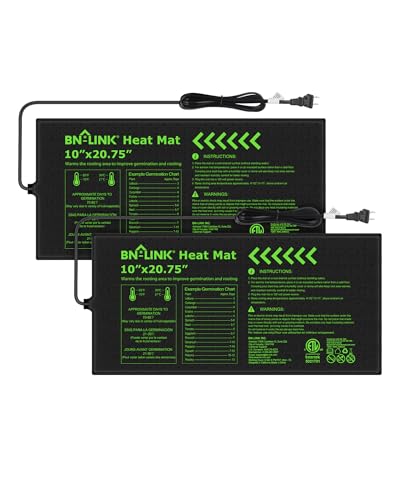
IDEAL GERMINATION TEMPERATURE: The BN-LINK seedling heat mats for seed starting helps maintain temperatures around 70°F to 85°F, the optimal range for seed germination, cutting propagation, and healthy seedling growth. Achieve faster germination and higher growth rates with seed heating mat.
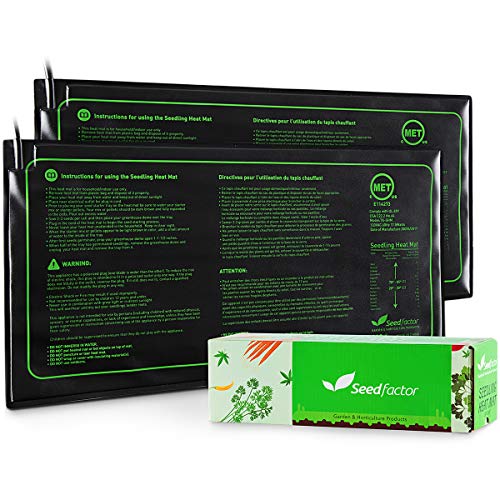
MET safety certified;Comply with UL 499;CSA C22.2 No.64

✓ Consistent & Uniform Heating: BN-LINK seedling heat mat for seed starting maintains temperatures around 70–85℉, creating ideal conditions for seed starter and cutting propagation, speeding up seed germination and accelerating seedlings growth. The advanced heating film with double insulation layers ensures even heat and prevents scorching roots.
Harvesting and Caring for Cucumbers Once Sprouted
When cucumber seeds have successfully sprouted, it’s time to shift your focus to caring for these delicate seedlings. Here are some essential tips to help you nurture your cucumber plants:
- Watering: Keep the soil consistently moist but not waterlogged. Overwatering can lead to root rot, while underwatering can cause stunted growth.
- Fertilizing: Feed your cucumber plants with a balanced fertilizer every few weeks to promote healthy growth.
- Sunlight: Cucumbers thrive in full sun, so make sure they receive at least 6-8 hours of sunlight daily.
- Support: As your cucumber plants grow, provide them with a trellis or stakes to support their vines and fruits, preventing them from sprawling on the ground.
- Pests: Monitor your plants for common pests like aphids and cucumber beetles. Consider using natural remedies or organic pesticides to protect your crop.
By following these tips, you’ll be well on your way to enjoying a bountiful cucumber harvest in your garden.
| Important to Know | Data |
|---|---|
| Optimal sunlight for cucumbers | 6-8 hours daily |
| Common pests to watch for | Aphids, cucumber beetles |
Conclusion
You’ve learned about caring for cucumber plants once they’ve sprouted. Remember to water consistently, provide ample sunlight, use fertilizers, offer support as they grow, and watch out for pests. Following these steps will help your cucumber plants thrive and yield a successful harvest. Happy gardening!
Frequently Asked Questions
How often should I water my cucumber plants?
Water your cucumber plants consistently to maintain soil moisture, aiming for around 1-2 inches per week.
What type of fertilizer should I use for my cucumber plants?
Choose a balanced fertilizer with equal parts of nitrogen, phosphorus, and potassium for healthy cucumber plants.
How much sunlight do cucumber plants need?
Cucumber plants require full sun exposure, meaning at least 6-8 hours of direct sunlight daily for optimal growth.
Do cucumber plants need support as they grow?
Yes, provide support like trellises or stakes for cucumber plants to climb and prevent fruit from touching the ground.
How can I manage pests like aphids and cucumber beetles on my cucumber plants?
Regularly inspect plants for pests, handpick them if possible, and use organic pest control methods like neem oil to manage infestations.
