

Ever wondered how to give your beets the perfect spacing for optimal growth? Picture this: you’re in your garden, excited to plant those beet seeds, but unsure about the right distance between each one. That’s where we come in to save the day! In this article, we’ll guide you on the ideal gap to leave between your beet plants.
Benefits of Proper Beet Plant Spacing
When it comes to planting beets, giving them adequate space can significantly impact their growth and yield. Here’s why:
- Optimal Nutrient Absorption: Proper spacing ensures that each beet plant has enough room to access essential nutrients from the soil.
- Air Circulation: Adequate space between plants allows for better air circulation, reducing the risk of diseases caused by excess moisture.
- Improved Sunlight Exposure: With the right spacing, each beet plant can receive sufficient sunlight for optimal photosynthesis.
- Reduced Competition: Giving beets their recommended distance from each other minimizes competition for resources like water and nutrients.
- Ease of Maintenance: Proper spacing makes it easier to weed around each plant and care for them individually.
- Prevention of Overcrowding: Overcrowded beets are more prone to disease and stunted growth, highlighting the importance of spacing them adequately.
Factors to Consider for Beet Plant Spacing
When determining how far apart to plant your beets, it’s essential to consider various factors that can impact their growth and overall yield.
- Size of the Beet Root: Allow enough space between plants based on the expected size of the beet root. Crowding can lead to small, underdeveloped beets.
- Soil Quality: The quality of your soil affects nutrient availability. Proper spacing ensures each plant has access to essential nutrients for healthy growth.
- Watering and Drainage: Adequate spacing allows for proper watering and drainage, preventing waterlogged soil which can harm beet plants.
- Sunlight Exposure: Beets require sufficient sunlight for photosynthesis. Proper spacing ensures each plant receives the necessary light for optimal growth.
- Variety: Different beet varieties may require different spacing depending on their growth habits. Research the specific spacing requirements for the type of beets you are planting.
- Companion Plants: Consider planting beets alongside compatible plants to maximize space usage and promote plant health through natural pest control and nutrient-sharing.
Remember, the right spacing for your beet plants can make a significant difference in their development. Take these factors into account when planning your beet garden for a successful harvest.
Recommended Distance Between Beet Plants
Spacing Guidelines
- **For traditional beet varieties, plant seeds 1 to 2 inches apart in rows that are 12 to 18 inches apart.
- For larger beet varieties, increase spacing to 3 to 4 inches between seeds with rows 18 to 24 inches apart.**
Benefits of Proper Spacing
- Allows room for root development.
- Helps prevent competition for nutrients.
- Facilitates adequate air circulation.
- Reduces the risk of disease spread.
- Enhances overall plant health and yield potential.
- **Pair beets with carrots, onions, or lettuce to maximize space usage in your garden.
- Choose companions that have similar sunlight, watering, and soil requirements to ensure harmonious growth.**
- If soil is rich and well-draining, you can space plants slightly closer together.
- In compacted or poor quality soil, opt for wider spacing to promote healthy root growth.
| Beet Variety | Seed Spacing | Row Spacing |
|---|---|---|
| Traditional | 1-2 inches | 12-18 inches |
| Larger | 3-4 inches | 18-24 inches |
Recommended Products
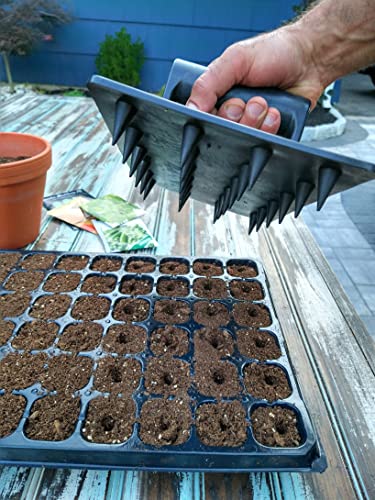
Efficiently start seeds indoors by creating perfect planting holes in 72-cell seed trays

【SEED SPACING】12 tapered spikes set exactly 1 inch apart make evenly spaced holes for seed planting in one press for consistent row seeding.

PRECISION SEED SPACING TOOL The Plant Ruler helps gardeners create evenly spaced planting rows for seeds and seedlings, supporting healthier root development and organized vegetable gardens.
Techniques for Achieving the Right Beet Plant Spacing
To achieve optimal beet plant spacing, consider the following techniques:
- Measuring Tools: Use a ruler or tape measure to ensure accurate distance between each beet seed or transplant.
- Marking: Place markers in the soil to indicate where each beet plant should be positioned.
- Square Foot Gardening: Utilize the square foot gardening method to maximize space while maintaining appropriate plant spacing.
- Successive Planting: Stagger planting times to ensure a continuous harvest and avoid overcrowding.
- Thinning: If plants are too close, thin them out by removing excess seedlings to provide adequate spacing for healthy growth.
By employing these techniques, you can attain the ideal beet plant spacing for a successful and bountiful harvest.
| Measurement Tool | Importance |
|---|---|
| Ruler/Tape Measure | Ensures Accuracy |
| Markers | Visual Guidance |
| Square Foot Gardening | Space Optimization |
| Successive Planting | Continuous Harvest |
| Thinning | Adequate Spacing |
Remember, proper beet plant spacing is crucial for promoting healthy growth, maximizing yield potential, and preventing issues related to overcrowding.
Common Mistakes in Beet Plant Spacing
When planting beets, there are common mistakes to watch out for to ensure optimal growth and yield. Here are some pitfalls to avoid:
- Crowded Planting: Planting beets too closely together can lead to competition for nutrients, sunlight, and space. This can stunt growth and result in smaller yields.
- Inaccurate Spacing: Not following the recommended spacing guidelines can impact the size and development of the beets. Proper spacing is crucial for each plant to access the necessary resources.
- Neglecting Thinning: Failure to thin out seedlings can overcrowd the beet plants, reducing airflow and sunlight penetration. Thinning is essential for promoting healthy growth.
- Ignoring Soil Quality: Planting beets in soil that lacks nutrients or proper drainage can hinder growth. Ensure your soil is rich in organic matter and well-draining for optimal results.
Remember, avoiding these common mistakes can help you achieve healthy and productive beet plants.
Conclusion
Ensuring the right spacing for your beet plants is crucial for their overall health and productivity. By avoiding common mistakes like overcrowding, inaccurate spacing, neglecting thinning, and overlooking soil quality, you can set your beets up for success. Providing them with adequate room to grow, access to nutrients, and ideal conditions will help them thrive and yield a bountiful harvest. Remember, a little extra care in the planting stage can go a long way in fostering healthy and robust beet plants. Happy gardening!
Frequently Asked Questions
Q: Why is it important to properly space beet plants?
A: Proper spacing allows beets to access essential nutrients, water, and sunlight, promoting healthy growth and optimal yields.
Q: What are the consequences of overcrowding beet plants?
A: Overcrowding leads to nutrient competition, stunted growth, and decreased yields, as plants struggle to access resources due to limited space.
Q: Why is thinning necessary for beet plants?
A: Thinning helps prevent overcrowding, allowing remaining plants to develop robust root systems and foliage for improved productivity.
Q: How does neglecting soil quality affect beet plants?
A: Poor soil quality can hinder nutrient absorption, root development, and overall plant health, resulting in subpar growth and yield.
