

Ever wondered if it’s too late to plant cucumbers in your garden? Picture this: it’s already midsummer, and you’re eager to grow your own crunchy cucumbers but unsure if the timing is right. Don’t worry, we’ve got you covered!
Best Timing to Plant Cucumbers
If you’re wondering about the best time to plant cucumbers, late spring to early summer is ideal. Here’s a rough guide to help you plan your cucumber planting schedule:
- Late Spring: Perfect for starting cucumber seeds indoors or in a greenhouse.
- Early Summer: Transplant your seedlings outdoors once the risk of frost has passed.
For optimal growth and a bountiful harvest, aim to plant your cucumbers about 3-4 weeks after the last frost date for your area. This will give them a warm and stable environment to thrive in.
Remember, cucumbers are heat-loving plants. They require full sun and warm soil to grow successfully. Plant them in well-draining soil with a pH level of 6.0 to 7.0 for best results.
To keep your cucumbers healthy and productive, make sure to provide consistent watering. They need about 1-2 inches of water per week, so be mindful of dry spells.
Additionally, consider using mulch around your cucumber plants to retain moisture and suppress weed growth. This simple step can make a big difference in the health of your cucumber crop.
Recommended Products

Each 4 inch pot includes 2 well rooted cucumber seedlings, ready for transplanting

[DURABLE AND STURDY] Crafted from robust hollow steel, this garden stakes features a fade-resistant green plastic coating, offering reliable protection against wind, rain, and rust. With anti-slip ridges, it's easy to tie on plant ties, aiding in plant climbing. the pointed bottom design of tomato stakes enables effortless soil insertion, ensuring a secure anchoring effect with minimal effort

Non-GMO & Organic Certified Seeds – Enjoy peace of mind with Marketmore Cucumber seeds that are USDA Certified Organic by OTCO and Non-GMO. Proudly grown in the USA, these seeds bring healthy, natural goodness straight to your garden.
Factors to Consider Before Planting
- Late Planting Window: You can plant cucumbers 6-8 weeks before the first fall frost in your area.
- Optimal Temperature: Cucumbers thrive in temperatures between 70-95°F (21-35°C).
- Length of Growing Season: Ensure your cucumbers have 50-70 days of frost-free weather to mature.
- Soil Conditions: Cucumbers prefer well-draining soil with a pH of 6.0-6.8.
- Sunlight Requirements: Choose a sunny spot with 6-8 hours of sunlight daily for optimal growth.
- Spacing: Plant cucumber seeds 4-6 inches apart in rows 3-4 feet apart.
Let’s move on to practical tips for successful late cucumber planting.
Tips for Late Planting Success
Choose the Right Varieties
- Avoid Larger Types That Take Longer to Mature
- Consider Varieties Suited for Quick Growth
Prepare the Soil
- Ensure Proper Drainage
- Amend Soil with Compost for Nutrient-Rich Beds
Provide Adequate Watering
- Water Consistently to Keep Soil Moist
- Consider Drip Irrigation for Efficient Watering
Protect from Cold
- Use Row Covers or Cloches to Shield from Frosts
- Be Ready to Cover Plants Overnight
Monitor for Pests and Diseases
- Check Plants Regularly for Signs of Damage
- Take Prompt Action to Address Issues
- Encourage Continuous Production
| Data | Value |
|---|---|
| Optimal Temp | 70-85°F |
| Growing Season | 50-70 days |
| Sunlight Needs | Full sun (6-8 hours) |
| Spacing | 12-18 inches apart |
Recommended Products
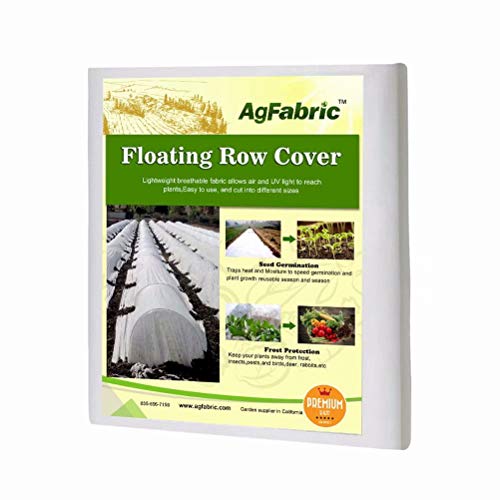
The plant row cover is made of 0.55 oz/sq non-woven polypropylene fabric which is lightweight breathable and durable. It allows air and moisture to reach your vegetables and flowers.
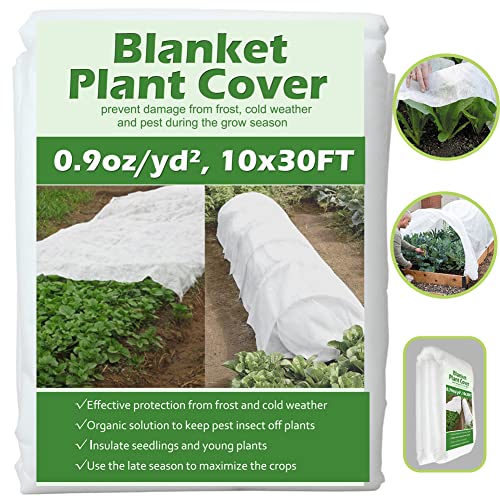
※Big Size to cover large area : The size of our plant cover is 10x30ft, the size can cover large areas. You can cut the plant covers freeze protection into different sizes for different use. You can cover it over the plant such as shrub tomato, pepper, pumpkin, and so on.

Cover Large Area: Select from an extensive range of sizes tailored to meet your gardening requirements; The frost plant covers are available in 10x10FT, 10x20FT, 10x30FT, and 10x50FT, ensuring a snug fit for gardens of every dimension; The frost blankets are durable and easy to cut to provide the perfect coverage for gardens of all shapes and sizes
Ideal Late Planting Techniques
- Choose the Right Variety: Opt for early-maturing varieties to ensure a bountiful harvest before the end of the growing season.
- Soil Preparation: Ensure your soil has good drainage and is enriched with compost to provide essential nutrients for healthy cucumber growth.
- Consistent Watering: Keep the soil consistently moist but not waterlogged to promote healthy plant development.
- Protect from Cold: Shield your plants from frost by using row covers or cloches to extend the growing season.
- Pest and Disease Monitoring: Regularly check your plants for signs of pests or diseases and take action promptly to prevent damage.
- Optimal Temperature: Maintain a consistent temperature range that cucumbers thrive in for optimal growth.
- Full Sun Exposure: Position your cucumber plants in an area that receives full sun to maximize photosynthesis and fruit production.
- Proper Spacing: Adequately space out your cucumber plants to allow for good air circulation and ample sunlight.
| Key Points |
|---|
| Choose early-maturing varieties |
| Ensure good drainage and compost in soil |
| Keep soil consistently moist |
| Protect from frost with row covers or cloches |
| Monitor for pests and diseases |
| Maintain optimal temperature |
| Provide full sun exposure |
| Space plants appropriately |
Recommended Products

EARLY HYBRID VARIETY: Cucumber Emelya F1 is an early-maturing hybrid that produces a bountiful harvest in a shorter growing season.
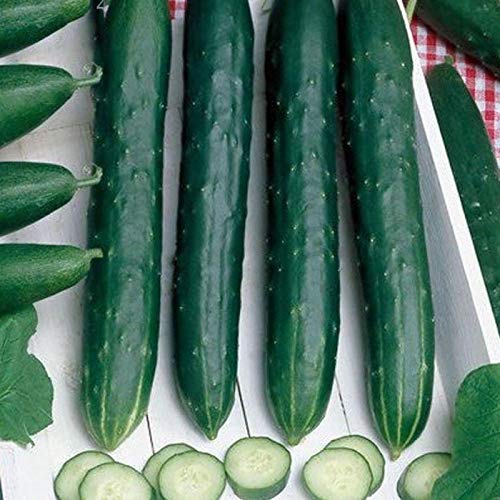
Highest Quality Fruit, Vegetable, Herb and Flower Seeds
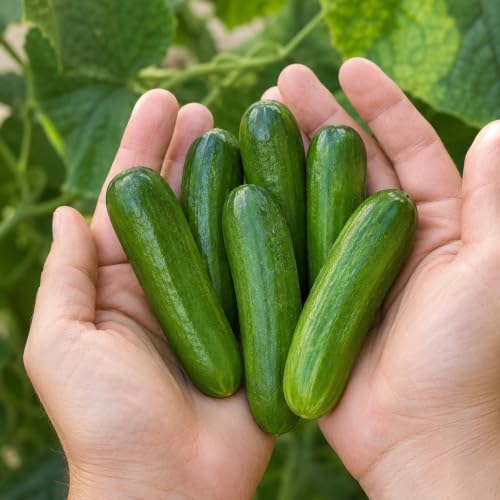
COMPACT & SPACE-SAVING VARIETY: Mini-Me cucumbers are bred for smaller gardens, containers, and raised beds without sacrificing productivity. Enjoy fresh vegetables even if you have limited outdoor space.
Common Mistakes to Avoid
When planting cucumbers late, there are some common pitfalls to steer clear of to ensure a successful harvest. Here are some mistakes to watch out for:
- Planting the Wrong Varieties: Opt for early-maturing cucumber varieties to maximize your chances of a bountiful harvest before the cold sets in.
- Neglecting Soil Preparation: Failing to enrich the soil with compost can lead to poor growth and low yields.
- Inconsistent Watering: Remember to water regularly, especially during dry spells, to keep your cucumber plants healthy and thriving.
- Ignoring Frost Protection: Be vigilant about protecting your cucumber plants from frost using row covers or cloches to prevent damage.
- Lack of Pest Monitoring: Keep an eye out for pests and diseases that can devastate your cucumber crop if left unchecked.
- Temperature Fluctuations: Ensure that your cucumber plants are not exposed to extreme temperature conditions that can stunt growth.
- Inadequate Sun Exposure: Cucumbers thrive in full sun, so make sure your planting location receives ample sunlight.
- Improper Plant Spacing: Proper spacing is crucial for air circulation and healthy growth, so avoid overcrowding your cucumber plants.
To make the most of your late cucumber planting, steer clear of these common mistakes and set yourself up for a successful harvest.
Conclusion
You now have a solid understanding of the key factors to consider for successful late cucumber planting. By avoiding common mistakes and following the tips provided, you can increase your chances of a bountiful harvest. Remember to choose early-maturing cucumber varieties, enrich your soil with compost, maintain consistent watering, protect your plants from frost, monitor for pests, control temperatures, ensure full sun exposure, and space your plants correctly. By implementing these strategies, you’ll set yourself up for a thriving cucumber crop even when planting later in the season. Happy planting!
Frequently Asked Questions
What are some common mistakes to avoid when planting late cucumbers?
When planting late cucumbers, common mistakes to avoid include choosing the wrong varieties, neglecting soil preparation, inconsistent watering, ignoring frost protection, lack of pest monitoring, temperature fluctuations, inadequate sun exposure, and improper plant spacing.
How can I ensure a successful late cucumber planting?
To ensure a successful late cucumber planting, select early-maturing cucumber varieties, enrich the soil with compost, provide consistent watering, implement frost protection measures, monitor for pests, maintain stable temperatures, ensure full sun exposure, and space plants properly.
