

Ever wondered why your broccoli plants didn’t yield as expected? Picture this: you eagerly plant your broccoli, only to find them overcrowded and struggling to thrive. How far apart should you plant broccoli to ensure a bountiful harvest?
In this article, we’ll unravel the mystery behind the ideal spacing for your broccoli plants. By understanding the importance of proper plant placement, you can set your broccoli up for success from the start.
Stay tuned to discover the simple yet crucial tips that will transform your broccoli patch into a flourishing garden of greens.
Importance of Proper Spacing
When it comes to planting broccoli, ensuring the right spacing between each plant is key. Proper spacing allows each plant to access sufficient sunlight, nutrients, and water for healthy growth.
Here’s why it’s essential to pay attention to the spacing of your broccoli plants:
- Prevents Competition: Adequate spacing reduces competition among plants for essential resources, helping each broccoli plant thrive.
- Improves Air Circulation: Optimal spacing allows for better air circulation, reducing the risk of diseases that can occur in crowded conditions.
- Facilitates Harvesting: Properly spaced plants make it easier to access each broccoli head for harvesting without damaging nearby plants.
- Enhances Development: With enough room, broccoli plants can develop strong root systems and sturdy stems, leading to larger and more robust heads.
Remember, ensuring the right distance between your broccoli plants can make a significant difference in the health and yield of your crop.
Factors to Consider Before Planting
When deciding how far apart you should plant your broccoli, there are several crucial factors to take into account. Proper spacing is key to the success of your broccoli crop. Here are some essential considerations before you start planting:
- Variety of Broccoli: Different broccoli varieties may require different spacing requirements to thrive optimally.
- Growth Habit: Consider the size of the mature broccoli plants. Some varieties grow larger and need more space between them for adequate growth.
- Soil Quality: Ensure the soil is well-draining and rich in nutrients to support healthy broccoli development.
- Climate Conditions: Take into account the local climate to determine the ideal spacing for your broccoli plants.
- Companion Planting: Explore companion plants that can benefit your broccoli crop and influence your spacing decisions.
- Planned Harvesting: Think about how you plan to harvest your broccoli as this can impact the spacing needed between plants.
By considering these factors, you can make informed decisions on how far apart to space your broccoli plants for a successful and bountiful harvest.
Recommended Products

Precise Planting Measurement: The foldable plant ruler is designed to provide precise measurements for seed spacing, ensuring optimal growth for a variety of vegetables including carrots, tomatoes, peas, potatoes, and cabbage.

Precise Spacing for Better Growth - This seed spacers planting tool helps you mark evenly spaced seed positions and straight planting rows, giving plants more consistent room to grow while improving garden organization and reducing guesswork.
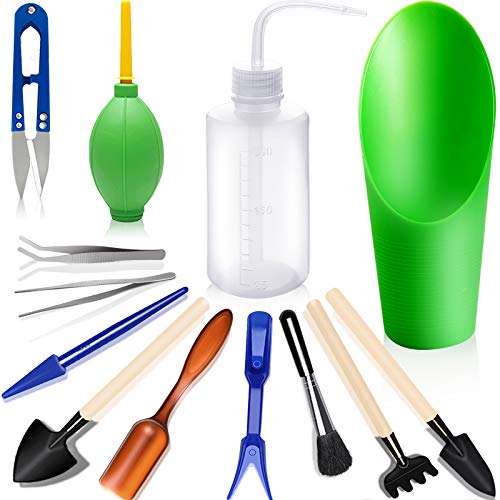
➤ 【 HIGH QUALITY MATERIAL 】Made of wood and iron, wooden handle is convenient for gardening, iron heads provide the shovel rake spade good using sense after using for many times
Guidelines for Planting Broccoli
When it comes to planting broccoli, following some guidelines can set you up for a successful harvest. Here are some key points to keep in mind:
- Spacing: Plant your broccoli 12-24 inches apart in rows at least 18-24 inches apart. This allows enough room for the plants to grow and ensures they receive adequate sunlight and airflow.
- Depth: Dig holes for your broccoli seedlings that are deep enough to cover the roots and about 1/2 inch below the first set of leaves. This helps anchor the plant and promotes stability.
- Soil Quality: Ensure you plant broccoli in soil that is rich in nutrients and well-draining. Adding compost or aged manure can help provide the necessary nutrients for healthy growth.
- Watering: Broccoli plants need consistently moist soil, especially during the early stages of growth. Avoid overwatering, as this can lead to issues like root rot.
- Mulching: Applying a layer of mulch around your broccoli plants can help retain moisture, suppress weeds, and regulate soil temperature. This can contribute to overall plant health.
Recommended Products

【Coconut Chip Bricks for Plants】 You will receive 2 pack natural and organic coco coir chip bricks, each brick weights about 1.1 lb and is able to expand up to 7 quarts quickly. The dimensions of each brick are 7.87*3.93*1.97 inches. Perfect for growing your plants!

🌱 The Gardenera Brown Mulch Cover for Indoor and Outdoor Plants is meticulously designed to be a highly effective solution for your gardening needs. Crafted from top-quality 100% natural ingredients, this mulch cover offers numerous benefits that will transform your gardening experience.

100% Natural Expanding Mulch Medium - Made from natural coconut husks, Plantonix Coco Chips create a protective mulch layer for outdoor plants, raised beds, flower gardens, trees, shrubs, and container plants. Coco husk chips are perfect for tropical plants, orchids, and outdoor gardens where it’s important to retain moisture throughout the growing season.
Maintaining Optimal Spacing During Growth
To ensure your broccoli plants thrive, proper spacing is key throughout their growth cycle. Here are some tips to help you maintain optimal spacing:
- Thin Seedlings: Begin by thinning out broccoli seedlings when they are about 3 inches tall to provide adequate room for growth.
- Final Spacing: When transplanting, space broccoli plants 18-24 inches apart within rows that are 24-36 inches apart to allow ample space for development.
- Regular Monitoring: Keep an eye on your broccoli plants as they grow. If they start to touch or overcrowd, consider transplanting or thinning them out.
- Adjust as Needed: Depending on the variety and environmental conditions, you may need to adjust the spacing to accommodate your broccoli plants’ growth.
- Airflow and Sunlight: Adequate spacing allows for proper airflow and sunlight penetration, reducing the risk of disease and promoting healthy development.
Recommended Products

Made of plastic, Simple and easy to use of the plant sow seeds dispenser

VERSATILE GARDENING TOOL – Ideal for planting a garden, loosening soil, aerating, and transplanting seedlings. Perfect for vegetables, flowers, and herbs like tomatoes, peppers, nasturtiums, and marigolds.

A TIDY GARDEN YOU CAN ACTUALLY ENJOY - Stop the garden chaos before it starts & say goodbye to messy rows and uneven spacing. Planting in a structured garden grid keeps your vegetables neat, visible, and evenly spaced as they grow. Easier weeding, healthier plants, and a garden that looks just as good as it performs.
Conclusion
Ensuring the right spacing for your broccoli plants is crucial for their overall health and growth. By following the recommended guidelines of thinning seedlings and transplanting them at appropriate distances, you are setting the stage for successful broccoli cultivation. Remember, proper spacing allows for optimal airflow, sunlight exposure, and disease prevention. Keep a close eye on your plants and adjust spacing as necessary to accommodate their needs. With the right spacing, your broccoli plants will thrive and reward you with a bountiful harvest. Happy gardening!
Frequently Asked Questions
Why is proper spacing crucial for broccoli plants?
Proper spacing for broccoli plants allows for adequate airflow and sunlight penetration, reducing the risk of disease and supporting healthy growth.
When should I thin broccoli seedlings?
Broccoli seedlings should be thinned when they reach 3 inches tall to ensure optimal spacing for healthy development.
How far apart should I transplant broccoli plants?
Broccoli plants should be transplanted 18-24 inches apart in rows that are 24-36 inches apart to provide enough space for growth.
Why is monitoring broccoli plant spacing important?
Regular monitoring of broccoli plant spacing helps prevent overcrowding, enabling adjustments as needed based on variety and environmental conditions.
