

Ever wondered why your carrots don’t seem to thrive as much as you’d like? Do you find yourself questioning if they need more sunlight? Picture this: you’ve put in the effort to grow your own carrots, but they’re not turning out as vibrant and plump as you hoped. Could sunlight be the missing ingredient in your carrot-growing recipe? In this article, you’ll uncover the importance of sunlight for your carrot patch. By the end, you’ll have the knowledge to ensure your carrots get the sunshine they need to flourish.
Understanding the Sunlight Requirements of Carrots
When it comes to growing carrots, understanding their sunlight needs is essential. Here’s what you need to know:
- Carrots thrive in full sun, meaning they need at least 6 hours of direct sunlight a day.
- Insufficient sunlight can lead to stunted growth and poor-quality carrots.
- Inadequate sunlight can also result in misshapen or underdeveloped carrots.
To ensure your carrots get the necessary sunlight, consider the following tips:
- Plant your carrots in a sunny spot in your garden with minimal shade.
- Rotate your crop if you notice certain areas receiving less sunlight over time.
- Trim back any overhanging branches or plants that may be casting shadows on your carrot patch.
By understanding and meeting the sunlight requirements of your carrots, you can set them up for success in your garden.
Recommended Products

Sweet, Coreless Roots: Heirloom carrots with tender 9-10 inches orange taproots and high sugar content. Grow in 3-10 USDA zones. Great carrots seeds for planting in any home garden.

High Germination Rate – Each packet contains 1200 premium heirloom rainbow carrot seeds carefully tested for high germination rates. Whether you‘re a beginner or an experienced gardener, you’ll enjoy a consistent and bountiful harvest.

HEIRLOOM BABY CARROT VARIETY - Little Finger carrots are small but mighty, producing sweet, crisp roots just 3–4 inches long that are perfect for fresh snacking or gourmet meals
Factors Affecting Carrots’ Sunlight Needs
Soil Quality:
- Carrots thrive in well-draining soil. Compacted soil can hinder root growth, making it crucial to loosen the soil before planting.
Seasonal Variations:
- Summer sun provides abundant light for carrots. Adjust planting times in cooler seasons to maximize sunlight exposure.
Planting Depth:
- Plant carrots at the correct depth. Shallow planting may expose them to excessive sunlight, leading to drying out.
Companion Planting:
- Pair carrots with taller plants that provide dappled shade. This can help shield them from intense midday sun.
Overhead Structures:
- Consider using row covers or shade cloth to regulate sunlight exposure on scorching days.
Watering Practices:
- Consistent watering helps maintain soil moisture levels, preventing carrots from wilting in direct sunlight.
- Adequate spacing between carrot rows prevents overcrowding, ensuring each plant receives ample sunlight.
- Carrots have deep roots that require sufficient sunlight to facilitate nutrient absorption for healthy growth.
| Important Facts |
|---|
| Carrots thrive in well-draining soil. |
| Summer sun provides abundant light for carrots. |
| Shallow planting may expose carrots to excessive sunlight. |
| Consistent watering helps maintain soil moisture levels. |
| Adequate spacing between carrot rows prevents overcrowding. |
Signs of Insufficient Sunlight for Carrots
If your carrot plants are not getting enough sunlight, they’ll show visible signs. Here are some indicators to watch for:
- Slow growth: Carrots in low sunlight conditions may grow at a slower pace than usual. This can affect their overall size and development.
- Small or misshapen roots: Insufficient sunlight can lead to carrots with stunted or misshapen roots. They may not reach their full potential.
- Thinning foliage: Carrot tops may appear sparse or weak in areas with inadequate sunlight. This can impact the plant’s ability to photosynthesize and produce energy.
- Pale-colored leaves: Carrot leaves may lose their vibrant green color and turn pale or yellowish when they are not receiving enough sunlight.
Keep an eye out for these signs to ensure your carrot plants are thriving in optimal sunlight conditions.
Recommended Products

FULL SPECTRUM & NATURAL LIGHT: A19 full spectrum grow light appears 4000K white to eyes but has a red/blue light spectrum. Same as natural sun shine, perfect for tomatoes, cucumbers, peppers, leafy greens and herbs at all growth stages.
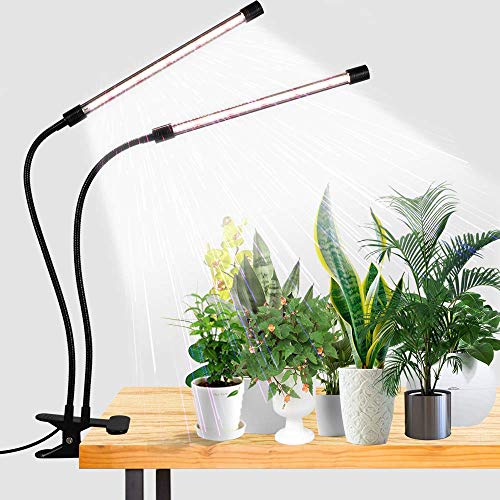
6000K White Light - equipped with 10 Red + 74 White LEDs, this growing Lamp is similar to the full-spectrum sunlight at noon,that is professionally designed for indoor garden plants.Moreover, its color rendering index is as high as 95, the light is soft and flicker-free, which is very suitable for reading lamp

NOTE: The product stand needs to be pressed down by the flower pot to be stable. Not wireless style. 2 Installation Methods: Specially designed plant light for indoor plants, which can be inserted in the soil or stand for lighting.Unique and easy to assemble and disassemble.
Tips to Maximize Sunlight Exposure for Your Carrots
When it comes to ensuring your carrot plants receive optimal sunlight, here are some practical tips to guide you:
- Choose the Right Location: Select a spot in your garden that receives at least 6-8 hours of direct sunlight each day.
- Monitor Sun Patterns: Keep an eye on how the sunlight moves across your garden throughout the day. Ensure your carrot plants are in an area with consistent sun exposure.
- Avoid Shade: Steer clear of planting your carrots near tall trees or structures that may cast shadows and disrupt their sunlight exposure.
- Use Reflective Mulch: Consider using reflective mulch around your carrot plants to amplify the amount of sunlight they receive.
- Rotate Plantings: If possible, rotate your carrot plantings to different areas of your garden to maximize sunlight exposure and prevent depletion of soil nutrients.
- Consider Container Gardening: If your garden lacks sunny spots, opt for container gardening to easily move your carrot plants to sunlit areas throughout the day.
- Prune Nearby Plants: Trim back any nearby plants or bushes that may be blocking sunlight from reaching your carrots.
Keeping these tips in mind will help ensure that your carrot plants thrive and produce a bountiful harvest.
Recommended Products

Silver Mulch has been University proven to increase yields up to 20 percent and lowers insect problems.

Application: Agriculture greenhouse vegetables, fruit trees, warm, moisturizing, tearing weeds
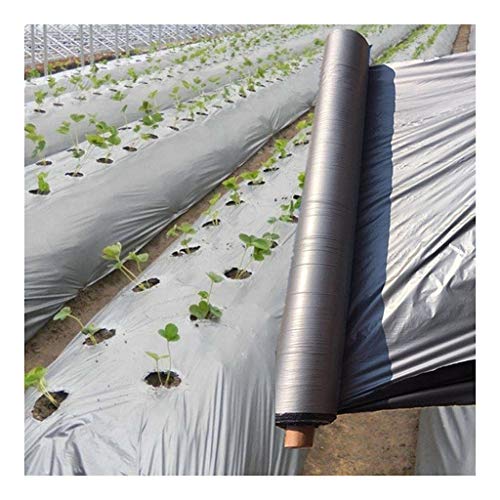
Greenhouse film material: Plastic. Selected high-quality materials, no peculiar smell, high tensile strength, abrasion resistance.
Conclusion
You’ve learned valuable strategies to ensure your carrot plants receive the sunlight they need for optimal growth. By following these tips, you can create a thriving environment for your carrots, leading to a bountiful harvest. Remember to choose a sunny spot, monitor sun patterns, avoid shading, use reflective mulch, rotate plantings, consider container gardening, and prune nearby plants. Implementing these techniques will help your carrot plants flourish and produce delicious, healthy vegetables. Enjoy the process of caring for your carrots and watching them thrive under the nourishing rays of the sun.
Frequently Asked Questions
How can I maximize sunlight exposure for my carrot plants?
To maximize sunlight exposure for your carrot plants, select a sunny location, monitor sun patterns, avoid shade from trees or structures, use reflective mulch, rotate plantings, consider container gardening for flexibility, and prune nearby plants. These strategies promote growth and ensure a successful harvest.
Why is sunlight exposure important for carrot plants?
Sunlight exposure is crucial for carrot plants as it fuels the process of photosynthesis, allowing the plants to produce food and grow. Sufficient sunlight also helps in the development of flavors, colors, and nutrients in carrots, resulting in healthier and more flavorful harvests.
