

Ever wondered how far apart you should plant your beets for a bountiful harvest? Picture this: you’re in your garden, eager to grow vibrant, healthy beets, but unsure about the ideal spacing. That’s where this article steps in to guide you through the process.
By understanding the optimal distance for planting beets, you’ll unlock the secret to maximizing their growth potential and yield. Imagine the satisfaction of harvesting a plentiful crop of delicious, homegrown beets, all thanks to planting them at just the right spacing. Ready to elevate your gardening game and reap the rewards? Let’s delve into the world of beet planting distances together.
Importance of Proper Beet Plant Spacing
Planting beets at the correct distance is crucial for optimal growth and yield. Here’s why it matters:
- Prevents Competition: Beets need space to develop strong roots and access nutrients. Crowded plants compete for resources, leading to stunted growth and smaller harvests.
- Air Circulation: Proper spacing promotes air circulation, reducing the risk of diseases like powdery mildew. Adequate airflow keeps your beet plants healthy and thriving.
- Facilitates Harvesting: When beets are given enough room to grow, harvesting becomes much easier. You can pull them out of the ground without damaging neighboring plants.
- Maximizes Yield: By spacing your beet plants correctly, you’re setting them up for success. They can fully develop without constraints, resulting in a more abundant harvest.
- Enhances Flavor: Well-spaced beets have room to grow to their full potential, leading to better flavor and texture. Enjoy the sweet, earthy taste of homegrown beets by spacing them properly.
Remember, the key to a successful beet harvest starts with getting the spacing just right.
Factors to Consider for Beet Spacing
When determining how far apart you should plant beets, there are several factors to take into account to ensure optimal growth and yield.
- Size of the Beet Variety:
- Larger varieties require more space between plants to allow for proper root development and room for the bulbs to reach full size.
- Soil Quality:
- Beets grown in nutrient-rich, well-draining soil may not need as much space between plants compared to those in poorer soil conditions.
- Sunlight Exposure:
- Ensure that each plant receives adequate sunlight by spacing them accordingly to prevent overcrowding and overshadowing.
- Watering Needs:
- Proper spacing can help ensure even distribution of water to each plant, promoting healthy growth and reducing the risk of diseases.
- Companion Planting:
- Consider companion planting to naturally deter pests and maximize space efficiency in your garden.
By carefully considering these factors, you can determine the ideal spacing for your beet plants, setting them up for success and a fruitful harvest.
Recommended Spacing for Planting Beets
When determining how far apart to plant your beet seeds or seedlings, it’s crucial to consider the specific variety of beets you are growing. Here are some general guidelines to help you with the recommended spacing for planting beets:
- For standard beet varieties: Plant the seeds about 1 inch apart in rows that are spaced 12-18 inches apart.
- For larger beet varieties: Increase the spacing between seeds to 2-3 inches to allow ample room for growth.
- For baby or mini beet varieties: Plant seeds 1 inch apart and aim for rows 6-12 inches apart.
Proper spacing between beet plants is essential for healthy root development and overall plant growth. Inadequate spacing can result in overcrowding, competition for nutrients, and smaller yields.
Consider thinning out seedlings as they grow to ensure that each plant has enough space to thrive. Thinning beet seedlings to the recommended spacing will promote better air circulation, reduce the risk of disease, and improve sunlight exposure for optimal growth.
To maximize your beet harvest, adjust the spacing based on the size of the mature beets and your specific garden conditions. Observing your beets as they grow and making adjustments accordingly will help you achieve the best results.
Remember to take into account companion planting when spacing your beets. Certain companion plants can help repel pests or improve soil quality, benefiting the growth of your beet plants.
Recommended Products
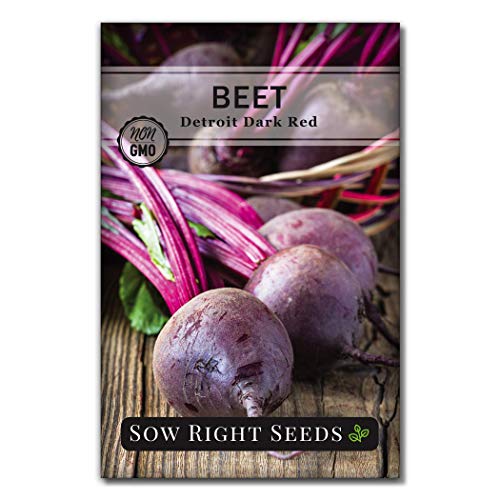
Beautiful - Large premium packet of Detroit Dark Red Beet (Beta var. ‘Detroit Dark Red’) seeds. Vivid, dark red 2-3" round beets have sweet flesh and tasty edible greens. This resilient variety can tolerate temperature variations, offering high productivity even in less-than-ideal soil conditions. Minimum of 1.5 g per packet (about 90 seeds).

Golden roots and edible greens: Grow Golden Detroit beets for yellow roots you can roast, pickle or slice into salads. The leafy tops can also be cooked as garden greens.

HIGH GERMINATION RATE – PLANT WITH CONFIDENCE: Achieve impressive germination with our Detroit Dark Red Beet seeds, ensuring consistent growth and a rewarding gardening experience for both novice and experienced gardeners. Enjoy a bountiful and healthy harvest.
Tips for Achieving Optimal Beet Growth
- Consider plant variety and size: Different beet varieties have varying spacing requirements based on their final size. Larger beets need more room to grow compared to smaller ones.
- Prioritize soil quality: Ensure your soil is well-draining, rich in nutrients, and loose for optimal root development.
- Maximize sunlight exposure: Plant beets in areas with at least 6 hours of direct sunlight daily to promote healthy growth.
- Meet watering needs: Keep the soil consistently moist but not waterlogged to support beet growth.
- Thin out seedlings: Adjust plant spacing by thinning out seedlings to the recommended distance as they grow to prevent overcrowding.
- Boost air circulation: Adequate spacing between plants allows for better air circulation, reducing the risk of diseases.
- Consider companion planting: Companion plants like radishes and leafy greens can help deter pests and improve soil quality for your beets.
| Recommended Sunlight Exposure | At least 6 hours daily |
|---|---|
| Optimal Soil Drainage | Well-draining soil |
| Watering Frequency | Keep soil consistently moist |
| Thin Seedlings When | Plants are 2-3 inches tall |
| Companion Plants | Radishes, leafy greens |
Remember, proper spacing and care are key to maximizing your beet harvest.
Conclusion
Now that you’ve learned about the key factors for successful beet growth, remember to tailor your planting spacing to the specific variety you’re growing. By prioritizing soil quality, sunlight exposure, watering consistency, and plant spacing, you’ll set the stage for thriving beet plants. Don’t forget to thin out seedlings, ensure proper air circulation, and consider companion planting for a healthier harvest. With these tips in mind, you’re well on your way to enjoying a bountiful beet harvest in your garden. Happy planting!
Frequently Asked Questions
What are the key factors to consider for optimal beet growth?
To achieve optimal beet growth, consider plant variety and size, soil quality, sunlight exposure, watering needs, thinning out seedlings, air circulation, and companion planting for pest control and soil improvement.
Why is soil quality important for beet growth?
Well-draining and nutrient-rich soil is crucial for beet root development and overall plant health.
How much sunlight do beets need?
Beets require at least 6 hours of direct sunlight daily for optimal growth.
How should I water my beet plants?
Keep the soil consistently moist, but avoid overwatering to prevent waterlogging.
Why is thinning out seedlings important?
Thinning out seedlings helps prevent overcrowding and ensures proper spacing for healthy root development.
Why is air circulation essential for beet plants?
Good air circulation around beet plants helps prevent diseases and promotes overall plant health.
What are the benefits of companion planting for beets?
Companion planting with radishes and leafy greens can help with pest control and soil improvement, promoting healthy beet growth and maximizing yields.
