

Ever wondered how to grow your own vibrant red beets right in your backyard? Picture this: you’re craving a fresh, earthy addition to your salads, but the grocery store options just don’t cut it. What if you could step outside and pick your own juicy beets straight from the ground? In this article, you’ll discover the simple steps to plant red beets and enjoy a bountiful harvest in no time.
Imagine the satisfaction of sowing the seeds, nurturing them as they sprout, and finally harvesting your own homegrown red beets. Not only will you have a source of organic goodness at your fingertips, but you’ll also experience the joy of connecting with nature and the food on your plate. Get ready to elevate your culinary creations and impress your friends and family with your homegrown produce.
Choosing the Right Variety of Red Beets
When selecting red beet varieties for your garden, consider the following factors:
- Cylindrical Beets: Ideal for those with shallow soil
- Globe-Shaped Beets: Perfect for deep soil
- Bull’s Blood Beets: Known for their striking dark red color
- Chioggia Beets: Have attractive red and white rings when sliced
Remember to choose a variety that aligns with your soil type and garden space.
By knowing the different varieties available, you can pick the best fit for your garden.
Recommended Products
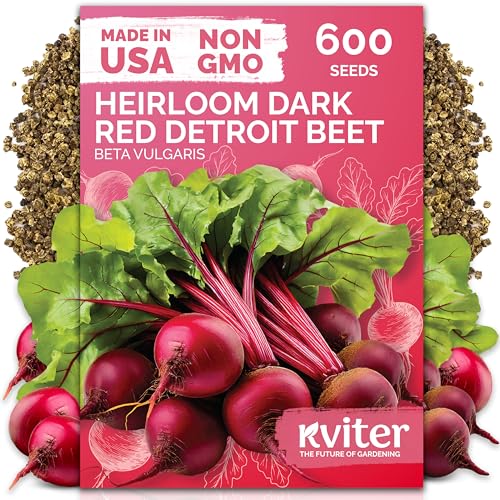
55-60 Day Harvest: Red beet seeds mature fast with tender 2-3 inch roots and sweet classic flavor; sow in loose, well-drained soil at 55-70 °F for best vegetable seeds results.
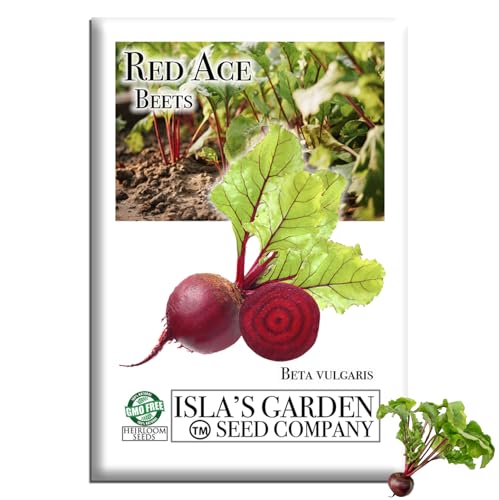
🥬 Productive Garden Beet Variety: Red Ace Beets produce smooth, round roots with a deep red color and dependable growth in home gardens. The sturdy plants develop leafy green tops while forming uniform beet roots beneath the soil. A reliable choice for backyard vegetable gardens and raised beds where gardeners want steady root harvests.
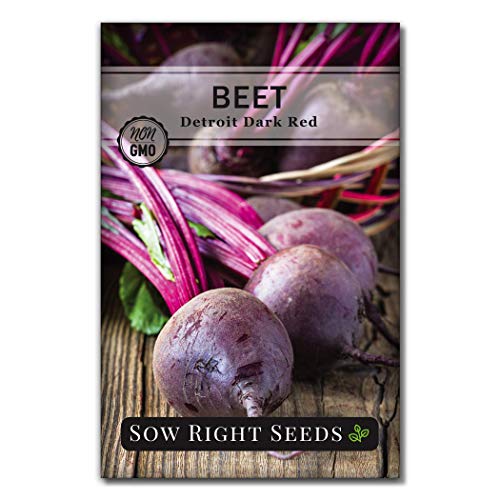
Beautiful - Large premium packet of Detroit Dark Red Beet (Beta var. ‘Detroit Dark Red’) seeds. Vivid, dark red 2-3" round beets have sweet flesh and tasty edible greens. This resilient variety can tolerate temperature variations, offering high productivity even in less-than-ideal soil conditions. Minimum of 1.5 g per packet (about 90 seeds).
Selecting the Perfect Planting Location
When choosing a spot for planting your red beets, ensure it gets full sunlight for at least 6 hours a day. Well-draining soil is key to preventing rot, so avoid waterlogged areas and select a location with good air circulation. Consider the following tips for selecting the best planting location:
- Sunlight: Find a spot in your garden that receives ample sunlight throughout the day.
- Soil Quality: Opt for loamy soil that’s rich in organic matter to promote healthy beet growth.
- Spacing: Allow enough space between rows (about 12-18 inches) to ensure proper airflow and prevent overcrowding.
- Avoid Competition: Keep red beets away from strongly scented herbs as they can affect their flavor.
By considering these factors when selecting your planting location, you can set your red beets up for success right from the start.
Preparing the Soil for Planting
To ensure a successful red beet crop, preparing the soil is crucial. Here are some essential steps to follow:
- Clear the Area: Remove any rocks, weeds, or debris from the planting site.
- Loosen the Soil: Use a garden fork to break up compacted soil, allowing roots to penetrate easily.
- Add Organic Matter: Incorporate compost or well-rotted manure to enrich the soil with nutrients.
- Test the Soil: Check the pH level and adjust if necessary to around 6.0 to 7.0 for optimal beet growth.
- Avoid Nitrogen-Rich Fertilizers: High nitrogen levels can result in leafy growth rather than bulb development.
- Consider Raised Beds: If your soil is clay-heavy or lacks drainage, raised beds can be a great alternative.
By taking the time to prepare your soil adequately, you set the foundation for healthy red beets.
Recommended Products

100% Organic & Peat-Free: Our compost mix is 100% organic & peat-free. Peat is one of Mother Nature’s most important stores of carbon. Instead of imported peat, the base of our soils is made from upcycled plant matter or wood fines from the United States!

Feed your raised bed for up to 3 months

Sowing the Beet Seeds
- Choose a Sunny Spot: Find an area with at least 6 hours of sunlight.
- Prepare the Soil: Ensure the soil is well-draining and has a pH level of 6.0-7.0.
- Planting Depth: Sow seeds 1/2 inch deep and space them 2-4 inches apart.
- Watering: Keep the soil consistently moist but not waterlogged.
- Thin Seedlings: Once seedlings have 2-4 leaves, thin them to 3-4 inches apart.
| Important Information |
|---|
| Sunlight Needed |
| 6 hours |
| pH Level |
| 6.0-7.0 |
| Planting Depth |
| 1/2 inch |
| Spacing |
| 2-4 inches apart |
| Thin Seedlings to |
| 3-4 inches apart |
Recommended Products

TOP-RATED NUTRITIONAL HEIRLOOM: Detroit Dark Red is a premium, high-yielding, and stress-resistant beet variety that stands at the pinnacle of root vegetables. This all-season favorite is a mid-early universal cultivar, perfect for consistent home harvests of professional quality.

Complete Vegetable Garden Selection: Includes fifteen premium heirloom vegetable seeds varieties such as Contender Beans, Waltham Broccoli, Blue Scotch Kale, and Marglobe Tomatoes; Perfect for home gardens, providing diverse food seeds for planting vegetables and fruits

HIGH GERMINATION RATE – PLANT WITH CONFIDENCE: Achieve impressive germination with our Detroit Dark Red Beet seeds, ensuring consistent growth and a rewarding gardening experience for both novice and experienced gardeners. Enjoy a bountiful and healthy harvest.
Caring for Your Beet Plants
After sowing your beet seeds, it’s crucial to water regularly. Beets need consistently moist soil, so aim to keep the top inch of soil damp. Avoid overwatering, which can lead to rot.
Mulching around your beet plants can help with moisture retention. Apply a layer of mulch about 2-3 inches thick, making sure to keep it away from the plant stems to prevent rot.
Keep an eye out for pests like aphids and leaf miners. Inspect your beet plants regularly and address any pest issues promptly. You can introduce beneficial insects or use organic pesticides for control.
Weeding is essential to prevent competition for nutrients. Regularly remove weeds around your beet plants to ensure they have ample space to grow and thrive.
Consider fertilizing your beet plants about 3-4 weeks after planting. Use a balanced fertilizer or compost to support healthy growth. Follow the instructions on the product label for proper application.
| Fact | Data |
|---|---|
| Ideal pH level | 6.0-7.0 |
| Seed depth | 1/2 inch |
| Seed spacing | 2-4 inches |
| Thinning | 3-4 inches |
Harvesting and Enjoying Your Homegrown Red Beets
So you’ve patiently nurtured your red beets from tiny seeds to thriving plants, and now comes the rewarding part – harvesting and savoring your homegrown bounty.
- Timing is Key: Harvest your red beets when they reach about 1-3 inches in diameter. This typically occurs 55-70 days after planting, depending on the variety.
- Gently Pull or Dig: Carefully loosen the soil around the beet and gently pull it out, or use a garden fork for deeper-rooted beets.
- Trimming and Storage: Trim the leaves, leaving about an inch of the stem, to prevent bleeding. Store unwashed beets in a cool, humid place for up to 3-4 weeks.
- Enjoy Freshness: Red beets can be enjoyed raw in salads, roasted with herbs, pickled for tang, or juiced for a nutritious boost.
- Leaves for Greens: Don’t discard the beet greens! They are packed with nutrients and can be sautéed, added to smoothies, or used in salads.
Conclusion
You now have all the tools to successfully plant and care for your own red beets. Remember to keep the soil moist, but not soggy, through regular watering. Mulching will help retain moisture and keep your beets healthy. Stay on top of pest management and weed regularly to ensure your plants thrive. Don’t forget to fertilize your beets to support their growth. When it’s time to harvest, follow the tips provided for a bountiful yield. Enjoy the process of growing your own nutritious red beets and experiment with different ways to savor them. Happy planting!
Frequently Asked Questions
How often should I water my beet plants?
Water your beet plants regularly to keep the soil moist without overwatering. Ensure the soil is consistently damp, especially during dry spells.
Why is mulching important for beet plants?
Mulching is essential for beet plants as it helps retain moisture in the soil, preventing it from drying out too quickly. It also acts as a barrier, reducing the risk of rot.
How can I manage pests on my beet plants?
Regularly inspect your beet plants for pests. Use organic pesticides to control and manage pests effectively while minimizing harm to the plants.
Do I need to weed my beet garden?
Yes, weed your beet garden regularly to prevent weeds from competing with your plants for nutrients. This ensures optimal growth and healthy beet production.
When should I fertilize my beet plants?
Fertilize your beet plants with a balanced fertilizer or compost approximately 3-4 weeks after planting. This helps provide essential nutrients for healthy growth.
How do I harvest red beets?
Harvest red beets when they reach 1-3 inches in diameter. Gently pull or dig them out of the soil, being careful not to damage the plants.
How should I store harvested red beets?
After harvesting, trim the beet greens, leaving an inch of the stems. Store the beets in a cool, dark place to prolong their freshness.
What are some ways to enjoy red beets and their greens?
You can enjoy red beets and their greens raw in salads, roasted as a side dish, blended into smoothies, or cooked in soups and stews. Experiment with different recipes to discover your favorite way to enjoy them.
