

Ever wondered how to grow big, juicy beets that will impress even the pickiest eaters? Imagine pulling out vibrant, plump beets from your garden, ready to elevate your salads and dishes to a whole new level. Picture the satisfaction of harvesting your own homegrown produce, knowing exactly where it came from and how it was nurtured.
Have you ever faced the disappointment of harvesting tiny or misshapen beets despite your best efforts? You’re not alone. Growing beets to their full potential requires a bit of know-how and some insider tips. In this article, you’ll discover the secrets to cultivating beets that are not only big in size but also big on flavor.
Choosing the Right Beet Varieties
When it comes to growing big, flavorful beets, selecting the right beet varieties is crucial. Here are some tips to help you choose the best beet varieties for your garden:
- Detroit Dark Red: Known for its sweet flavor and deep-red color, this classic beet variety is a popular choice among home gardeners.
- Golden Beets: If you prefer a milder and sweeter flavor, golden beets are a great option. They also add a pop of color to your dishes.
- Chioggia Beets: With their striking pink and white rings, Chioggia beets are not only visually appealing but also have a mild and sweet taste.
- Cylindra Beets: These beets have an elongated shape that makes them easy to slice, perfect for pickling or roasting.
- Bull’s Blood Beets: If you’re looking for beets with deep red leaves that can also be used in salads, Bull’s Blood beets are an excellent choice.
Choosing the right beet varieties is the first step towards growing large, flavorful beets in your garden. Each variety has its unique characteristics and flavors, so consider your preferences and culinary needs when making your selection.
Experimenting with different beet varieties can also add a fun twist to your gardening experience and culinary creations, so don’t be afraid to try out a few different types in your garden.
Recommended Products
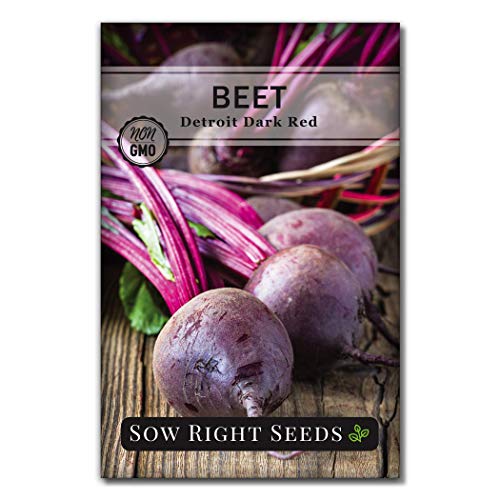
Beautiful - Large premium packet of Detroit Dark Red Beet (Beta var. ‘Detroit Dark Red’) seeds. Vivid, dark red 2-3" round beets have sweet flesh and tasty edible greens. This resilient variety can tolerate temperature variations, offering high productivity even in less-than-ideal soil conditions. Minimum of 1.5 g per packet (about 90 seeds).
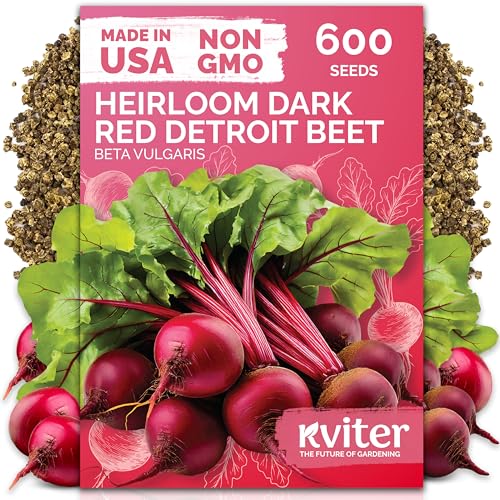
55-60 Day Harvest: Red beet seeds mature fast with tender 2-3 inch roots and sweet classic flavor; sow in loose, well-drained soil at 55-70 °F for best vegetable seeds results.

TOP-RATED NUTRITIONAL HEIRLOOM: Detroit Dark Red is a premium, high-yielding, and stress-resistant beet variety that stands at the pinnacle of root vegetables. This all-season favorite is a mid-early universal cultivar, perfect for consistent home harvests of professional quality.
Providing Optimal Growing Conditions
When it comes to growing big, flavorful beets, providing the right conditions is essential. Here’s how to give your beets the best chance to thrive:
- Sunlight: Beets enjoy full sun, so aim for at least 6-8 hours of sunlight daily for optimal growth. If you’re in a hot climate, partial shade during the hottest parts of the day can be beneficial.
- Soil Quality: Ensure your soil is well-draining and loose to allow beets to expand easily. Loamy soil with plenty of organic matter is ideal for beet cultivation.
- pH Level: Beets prefer slightly acidic soil, with a pH range of 6.0-7.0. Test your soil and amend it accordingly with compost or sulfur if needed.
- Watering: Consistent moisture is crucial for beet development. Keep the soil evenly moist, especially during germination and root formation stages. Avoid waterlogged conditions.
- Spacing: Plant your beets at the recommended spacing to allow them room to grow. Thin out seedlings when they reach a few inches tall to prevent overcrowding.
- Temperature: Beets thrive in cool to mild temperatures, ideally between 50-85°F. Provide shade cloth during heatwaves to protect them from excessive heat.
Recommended Products

NUTRIENT-RICH, NATURAL, AND ORGANIC SOIL: Grow a bountiful garden in your home with the Back to the Roots All-Purpose Natural and Organic Peat-Free 3-in-1 Seed Starting Mix, packed with the nutrients needed for your plants, flowers, and vegetables to thrive

Miracle-Gro Indoor Potting Mix for Seed Starting grows stronger roots for seeding success (vs unfed when used as directed)

Includes Back to the Roots Compressed Seed Starting Potting Mix that expands to 12qt of soil. A balanced pH, which means it’s truly all-purpose. Use alone or as an amendment for anything in a pot or in the ground — vegetables, flowers, herbs, and even starting seeds.
Planting and Thinning Techniques
When planting beet seeds, ensure they are sown directly into the garden rows or containers where they will grow. Aim for a depth of around ½ inch and space the seeds 1 to 2 inches apart. Once the seedlings reach about 3 inches in height, it’s time to thin them out.
Thinning is crucial for allowing the beets enough room to grow large and develop properly. Carefully remove excess seedlings, leaving a spacing of 3 to 4 inches between each plant. Overcrowding can lead to stunted growth, so prioritize this step for optimal beet development.
- Plant seeds directly where they will grow
- Space seeds 1 to 2 inches apart
- Thin seedlings to 3 to 4 inches apart
Watering and Fertilizing Tips
Watering Frequency:
- Beets need consistent moisture but avoid overwatering.
- Water your beets when the top inch of soil is dry.
Fertilizing Guidelines:
- Use a balanced fertilizer at half strength every 3-4 weeks.
- Avoid excess nitrogen, which can promote foliage growth over root development.
Compost Benefits:
- Incorporate compost into the soil for nutrient-rich growing conditions.
- Top-dress with compost mid-season for a boost.
- Apply fertilizer to the soil surface around plants mid-season for extra nourishment.
- Cover the fertilizer with soil and water well.
- Regular watering and fertilizing support healthy growth and robust harvests.
- Monitor your beet plants for any signs of nutrient deficiencies or water stress.
Harvesting and Storing Big Beets
When it’s time to harvest your beets, choose a sunny day with dry soil. Gently loosen the soil around the beet with a garden fork and pull them out by grasping the leaves, avoiding damage to the roots.
Tip: Harvesting beets when they’re around 2-3 inches in diameter ensures optimal flavor and tenderness.
After harvesting, trim the tops to about an inch above the root to prevent moisture loss during storage. Store your beets in a cool, dark place like a root cellar or the refrigerator crisper drawer.
Beet Storage Tips
- Humidity: Store beets in a perforated plastic bag in the refrigerator to maintain moisture.
- Temperature: Keep the temperature around 32°F to 40°F for prolonged storage.
- Storage Duration: Beets can last in the refrigerator for up to 3 months if stored correctly.
Conclusion
You’ve learned valuable tips on growing big beets, from choosing the right variety to proper spacing and watering techniques. Harvesting your beets at the right size and storing them correctly can ensure a bountiful supply for months to come. Remember to handle them gently during harvest to preserve their quality. By following these guidelines, you’ll soon be enjoying delicious, homegrown beets in your favorite dishes. Happy gardening!
Frequently Asked Questions
When is the best time to harvest big beets?
Harvest big beets on a sunny day with dry soil. Gently pull them out by the leaves to avoid root damage.
What size should big beets be for optimal flavor?
Harvest beets at 2-3 inches in diameter for the best taste.
How should big beets be stored after harvesting?
Trim the tops and store big beets in a cool, dark place like a root cellar or refrigerator crisper drawer.
What are some storage tips for big beets?
Use a perforated plastic bag in the refrigerator, keeping the temperature between 32°F to 40°F. Properly stored beets can last up to 3 months.
