

Ever wondered how to grow your very own fresh, vibrant beets right in your backyard? Picture this: the satisfaction of harvesting your own homegrown beets, ready to add a pop of color and flavor to your dishes. In this article, you’ll discover the simple yet rewarding process of planting beet plants.
Have you ever found yourself at the grocery store, staring at the wilted beets, wishing you could enjoy the crispness of freshly picked ones? Say goodbye to store-bought disappointments and hello to the joy of cultivating your own beet garden. By following our step-by-step guide, you’ll soon be savoring the sweet success of homegrown beets in your meals.
Get ready to embark on a journey that not only brings you closer to nature but also fills your plate with nutritious goodness. With our expert tips and tricks, you’ll soon be a beet-planting pro, reaping the benefits of your own bountiful beet harvest.
Selecting the Right Beet Varieties
When choosing beet varieties for your garden, consider factors like your location and how you plan to use the beets. Here are some common beet types to help you decide:
- Red Beets: Versatile and popular, these beets are great for salads, roasting, and juicing.
- Golden Beets: Known for their mild flavor, they’re perfect for those who prefer a less earthy taste.
- Chioggia Beets: With striking pink and white rings when sliced, they add a pop of color to your dishes.
- Cylindra Beets: Long and cylindrical in shape, they are easier to slice and cook.
When shopping for beet seeds or seedlings, look for varieties that thrive in your USDA hardiness zone. This ensures they are suited to your local climate and will have a better chance of flourishing in your garden. Remember, different beet varieties have varying maturation times, so choose based on your preferences and gardening timeline.
To diversify your harvest, consider planting a mix of beet varieties. This allows you to enjoy a range of flavors, colors, and shapes, adding excitement to your meals straight from the garden.
Recommended Products

TOP-RATED NUTRITIONAL HEIRLOOM: Detroit Dark Red is a premium, high-yielding, and stress-resistant beet variety that stands at the pinnacle of root vegetables. This all-season favorite is a mid-early universal cultivar, perfect for consistent home harvests of professional quality.
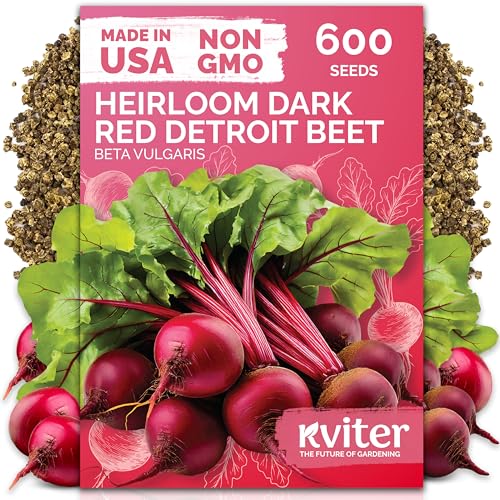
55-60 Day Harvest: Red beet seeds mature fast with tender 2-3 inch roots and sweet classic flavor; sow in loose, well-drained soil at 55-70 °F for best vegetable seeds results.

These finest quality USDA Organic Golden Detroit Beet Seeds produce golden orange and yellow beetroots. They're fast growers with a unique look and a crisp, sweet taste ideal for cooking and salads.
Choosing the Perfect Planting Location
When selecting a spot to plant your beet plants, there are a few key factors to consider to ensure their success:
- Sunlight: Choose a location that receives at least 6-8 hours of sunlight daily for optimal growth.
- Soil Quality: Opt for well-draining soil rich in organic matter to promote healthy root development.
- Space: Allow enough space between plants, typically 2-4 inches, to encourage proper airflow and prevent overcrowding.
- Temperature: Beets thrive in cooler temperatures, ideally between 50-75°F, so choose a location with consistent moderate temperatures.
- pH Levels: Aim for a slightly acidic to neutral soil pH level between 6.0-7.0 for best results.
- Water Accessibility: Ensure easy access to water for regular watering, as consistency is key to beet growth.
By keeping these considerations in mind, you can select an ideal planting location that sets the stage for a successful beet harvest.
Preparing the Soil for Planting
To set the foundation for healthy beet growth, start by preparing the soil in your chosen planting location. Here’s how you can get the soil just right:
- Clear the area of debris and weeds to create a clean planting space.
- Ensure the soil is loose and well-draining for optimal root development.
- Mix in organic matter like compost or aged manure to improve soil fertility.
- Test the soil pH to ensure it falls within the range of 6.0-7.0.
- Consider adding in a balanced fertilizer to provide essential nutrients for the beets.
By taking these steps to prepare the soil, you’re setting the stage for successful beet planting.
Planting Beet Seeds or Seedlings
When it’s time to plant your beet seeds or seedlings, follow these steps:
- Planting Depth: Sow beet seeds about 1/2 inch deep and 1-2 inches apart.
- Seedling Care: If using seedlings, space them 3-4 inches apart in rows.
- Sunlight: Choose a spot with full sun for optimal growth.
- Soil Moisture: Keep the soil consistently moist but not waterlogged.
- Thinning: Thin seedlings to ensure 6-8 inches between plants for proper development.
- Mulching: Mulch around plants to retain moisture and keep weeds at bay.
- Protecting Seedlings: Use row covers to safeguard young seedlings from pests.
Caring for Your Beet Plants
Planting your beet seeds or seedlings is just the beginning. Caring for Your Beet Plants as they grow is essential for a successful harvest. Here are some important aspects to consider:
- Watering: Keep the soil consistently moist, especially during dry periods. Ensure beet plants receive about 1-2 inches of water per week, either through rainfall or irrigation.
- Fertilizing: Apply a balanced fertilizer when the beet plants are about 3-4 inches tall. Avoid excess nitrogen, as it can result in more leaf growth than root development.
- Weeding: Regularly weed your beet bed to prevent competition for nutrients and water. Be careful when weeding not to disturb the shallow root systems of the beet plants.
- Monitoring: Keep an eye out for any signs of pests or diseases on your beet plants. Address any issues promptly to prevent them from spreading.
- Harvesting: When your beets have reached the desired size, gently pull them out of the ground. Cut off the tops, leaving an inch of the stem to prevent bleeding.
Recommended Products

400 Gallon Gardening Raised Bed, Large Size: 180cm*60cm (D70"x H24") Big Plant Grow Bag with Gardening Gloves: Well-made, Fabric raised garden bed with 4 handles; Garden thickened fabric pot, Durable Plant Grow Bag for growing flowers,veggies,herbs,and other plants; Versatile, sturdy, reusable garden bag; The fabric planter raised bed bag help you making garden area more compact and efficient; It's great for gardening bag,yard waste bag,leaf bag,garden waste bag,lawn debris bag,compost bag

【Premium Material】These grow bags are made of thickened felt material, heavy-duty and durable, lightweight and breathable, and will not pollute the environment and affect the quality of vegetables. The breathable fabric can automatically percolate excess water, which can avoid the problems of excessive watering and water accumulation in the planting bag.
Harvesting Your Homegrown Beets
To ensure optimal flavor and texture, it’s crucial to harvest your beets at the right time. Here’s how to do it right:
- Size Matters: Beets are typically ready to harvest when they reach about 1 to 3 inches in diameter.
- Pull, Don’t Cut: When harvesting, gently pull the beets out of the ground. Cutting them risks damaging their tender skins.
- Top Tip: Leave about an inch of the stem intact to prevent the beets from bleeding their color during cooking.
- Storage: After harvesting, remove the tops, leaving an inch of the stem, and store beets in a cool, dark place for up to 3 months.
- Harvest beets early in the morning for the best flavor.
- If the tops of the beets are peeking out of the soil, they are likely ready to be harvested.
- Beets can be left in the ground for a bit longer as they don’t grow as quickly as some other vegetables.
| Beet Harvesting Tips | |
|---|---|
| Size to Harvest | 1 to 3 inches |
| Storage Time | Up to 3 months |
Recommended Products

This fruit picking bag is made of canvas material, which is tough, , easy to clean and maintain. After each use, simply wipe it gently with a damp cloth and it can be used again immediately.
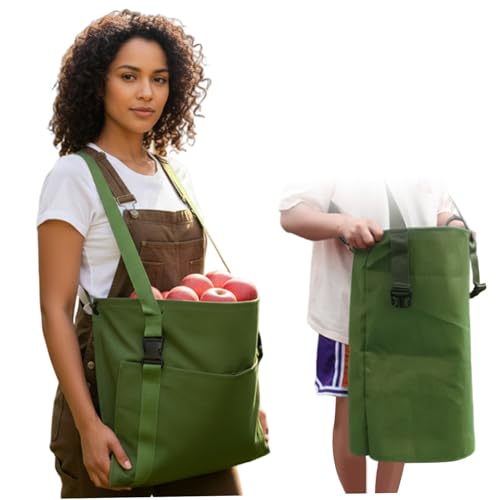
Practical Gardening Companion: More than just an apron with pockets, it's a dedicated garden tool that organizes your harvest on the go. Its practical design makes it a thoughtful present for home gardeners, hobby farmers, or anyone who enjoys picking their own produce.

Practical Gardening Companion: More than just an apron with pockets, it's a dedicated garden tool that organizes your harvest on the go. Its practical design makes it a thoughtful present for home gardeners, hobby farmers, or anyone who enjoys picking their own produce.
Conclusion
You’ve now learned how to plant beet plants successfully. Remember to choose a sunny spot, prepare the soil well, and water consistently. As your beets grow, keep an eye on their progress and harvest them at the right time for the best flavor. By following these steps, you’ll soon enjoy a bountiful harvest of fresh, homegrown beets. Happy planting!
Frequently Asked Questions
When is the best time to harvest homegrown beets?
Harvest homegrown beets when they reach the right size, typically around 1-3 inches in diameter. Pull the beets from the soil instead of cutting them to prevent damage.
How should I store harvested beets?
Store harvested beets in a cool, dark place to preserve freshness for up to 3 months. Leave a portion of the stem intact to help retain the beet’s color and nutrients.
Are there any tips for harvesting beets for optimal flavor?
Harvest beets early in the morning for the best flavor. Look for tops peeking out of the soil as a sign that the beets are ready for harvest.
Can beets be left in the ground longer before harvesting?
Yes, beets can be left in the ground a bit longer, as they have a slower growth rate compared to other vegetables. This allows for more flexibility in harvesting timing.
