

Ever wondered why your broccoli plants aren’t thriving as expected? Are they looking a bit too crowded or sparse? Picture this: you excitedly plant your broccoli, only to find them struggling to reach their full potential. But fret not, as in this article, you’ll discover the secret to optimal broccoli growth – the ideal spacing between each plant.
Importance of Proper Spacing for Broccoli Plants
When planting broccoli, proper spacing plays a crucial role in ensuring the health and growth of your plants. Here’s why it matters:
- Optimal Nutrient Absorption: With the right spacing, each broccoli plant can efficiently absorb nutrients from the soil, promoting healthy development.
- Sufficient Air Circulation: Adequate spacing allows for good air circulation between plants, reducing the risk of fungal diseases that thrive in damp environments.
- Prevents Competition: Giving each plant ample space minimizes competition for resources like sunlight, water, and nutrients, preventing stunted growth.
- Facilitates Harvesting: Well-spaced broccoli plants are easier to harvest as they have room to grow without overcrowding, leading to larger and more accessible heads.
- Enhances Pest Management: Proper spacing makes it easier to inspect plants for pests and apply treatments if needed, helping to maintain a pest-free garden.
To ensure your broccoli plants thrive, follow these spacing guidelines:
- Plant seedlings 18-24 inches apart in rows that are at least 24-36 inches apart to provide ample space for each plant’s root system to develop.
- For larger varieties or if you plan to grow broccoli to maturity for side shoots, increase the spacing to 24-36 inches between plants.
- As your broccoli plants grow, monitor their development and adjust spacing if necessary to promote optimal growth and minimize competition.
By giving your broccoli plants the right amount of space to grow, you’re setting them up for success and a bountiful harvest.
Recommended Products

Precise Spacing for Better Growth - This seed spacers planting tool helps you mark evenly spaced seed positions and straight planting rows, giving plants more consistent room to grow while improving garden organization and reducing guesswork.

Precise Planting Measurement: The foldable plant ruler is designed to provide precise measurements for seed spacing, ensuring optimal growth for a variety of vegetables including carrots, tomatoes, peas, potatoes, and cabbage.

GARDENING ESSENTIAL: Heavy duty, ergonomic hand trowel ideal for a variety of gardening tasks like digging in tough soil, maintaining your herb garden, digging all holes, turning soil, and more to encourage overall plant health and appearance
Factors to Consider When Determining Plant Spacing
When deciding how far apart to plant your broccoli, there are several essential factors to take into account. Understanding these key considerations will help ensure healthy growth and a bountiful harvest for your broccoli plants.
- Variety of Broccoli: Different broccoli varieties have varying space requirements. Be sure to check the specific recommendations for the type of broccoli you are planting.
- Mature Plant Size: Consider the potential size of the mature broccoli plant. Larger varieties will need more space to spread out their leaves and develop properly.
- Soil Quality: The quality of your soil plays a crucial role in plant spacing. Healthy soil can support plants more closely together, while poor soil may require increased spacing.
- Climate and Growing Conditions: Your local climate and growing conditions can impact how far apart your broccoli plants should be. Factors such as sunlight, humidity, and temperature can affect plant spacing needs.
- Garden Layout: Ensure your garden layout allows for ease of access and maintenance. Proper spacing not only promotes healthy growth but also makes tasks like weeding and harvesting more manageable.
- Pest and Disease Management: Adequate spacing between plants can help reduce the risk of pests and diseases spreading among your broccoli crop. Good air circulation can inhibit the development of fungal diseases.
Considering these factors when determining plant spacing for your broccoli will set you on the path to a successful and fruitful harvest.
| Key Factors | Importance |
|---|---|
| Variety of Broccoli | Varies by type |
| Mature Plant Size | Larger plants need more space |
| Soil Quality | Healthy soil supports closer spacing |
| Climate Conditions | Impacts plant spacing needs |
| Garden Layout | Ensures ease of access and maintenance |
| Pest Management | Aids in pest and disease control |
Recommended Spacing Guidelines for Broccoli Plants
When planting broccoli, proper spacing is crucial for successful growth and bountiful harvest. Here are some recommended spacing guidelines to help you optimize the growth of your broccoli plants:
- Transplant Spacing: When transplanting broccoli seedlings into your garden, ensure to space them 18-24 inches apart in rows that are 24-36 inches apart.
- Seed Spacing: If you’re planting broccoli seeds directly in the soil, sow them about ½ inch deep and space them 3-4 inches apart. Once they reach a certain size, thin them to maintain proper spacing between plants.
- Overcrowding Impact: Overcrowding can lead to competition for nutrients and hinder proper growth. Adequate spacing allows each plant to access the resources it needs for healthy development.
- Growth Stage Adjustments: As your broccoli plants grow, you may need to adjust the spacing between them. This can help prevent overcrowding and ensure that each plant has enough room to flourish.
- Air Circulation and Sunlight: Proper spacing also promotes adequate air circulation and sunlight exposure. This is essential for reducing the risk of diseases and ensuring optimal photosynthesis for healthy plant growth.
- Companion Planting: Consider companion planting with broccoli to maximize space efficiency and benefits for your garden. Plants like lettuce, spinach, and beets can complement broccoli while utilizing space effectively.
Adjusting Plant Spacing for Different Broccoli Varieties
When planting broccoli, it’s essential to take into account the specific needs of different varieties. Some types of broccoli require more space to thrive than others. Here’s a breakdown to help you adjust plant spacing accordingly:
- Standard Varieties:
- These varieties typically need about 18-24 inches between plants. Giving them ample space ensures they have enough room to grow and develop their heads properly.
- Sprouting Broccoli:
- With sprouting broccoli varieties, consider spacing them 12-18 inches apart. This spacing allows them to bush out and produce multiple side shoots for extended harvests.
- Broccolini:
- Broccolini, a hybrid of broccoli and Chinese broccoli, benefits from closer spacing of 8-12 inches. This close proximity encourages more upright growth and slender stems.
- Calabrese Broccoli:
- For Calabrese broccoli, aim for a spacing of 18-24 inches. This classic Italian variety produces large, domed heads and needs ample space to reach its full potential.
- Romanesco Broccoli:
- Romanesco broccoli, known for its striking appearance, thrives when spaced 18-24 inches apart. Its unique fractal patterned heads develop best with room to branch out.
Understanding the different spacing requirements for various broccoli varieties will help you optimize their growth and overall yield in your garden. Adjusting spacing based on the type of broccoli you’re planting ensures each plant has adequate space to flourish and produce bountiful harvests.
Recommended Products

Beautiful - Large premium packet of Waltham 29 Broccoli (Brassica oleracea) seeds. A reliable heirloom that produces 5-6" blue-green heads and an abundance of side shoots. Waltham 29 is adapted for both drought and cold tolerance. Minimum of 750 mg per packet (about 200 seeds).

THREE HEIRLOOM BROCCOLI SEED VARIETIES – Calabrese (Brassica oleracea var. italica), Romanesco (Brassica oleracea var. botrytis), Waltham 29 (Brassica oleracea var. italica) for cool fall and spring gardens
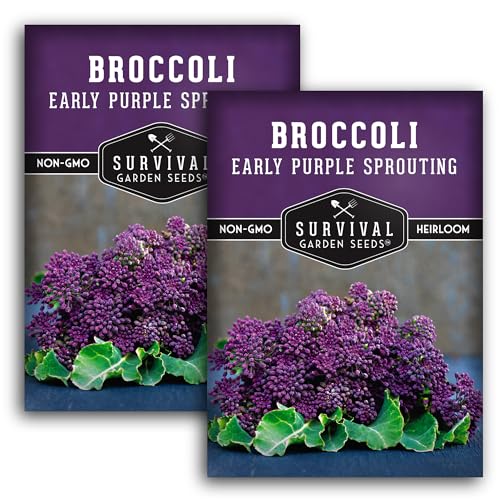
EARLY PURPLE SPROUTING BROCCOLI – Cold-hardy heirloom broccoli seeds for planting that mature early and keep producing from late winter through spring with tender burgundy-purple florets and side shoots
Tips for Maintaining Optimal Spacing Throughout the Growing Season
Here are some practical tips to help you maintain the right spacing for your broccoli plants as they grow:
- Monitor Growth Regularly: Keep an eye on the development of your broccoli plants to ensure they have enough space to thrive.
- Adjust Spacing When Necessary: If you notice crowding or competition for resources, thin out your plants to give them more room.
- Use Mulch: Applying a layer of mulch around your broccoli plants can help retain moisture and suppress weed growth, supporting healthier spacing.
- Consider Succession Planting: Planting new broccoli crops in staggered intervals can help you make the most of limited space in your garden.
- Rotate Crops: After harvesting your broccoli, consider rotating your crops to help prevent soil depletion and maintain optimal spacing for future plantings.
| Monitoring Frequency | Adjusting Spacing | Mulching Benefits |
|---|---|---|
| Once a week | When overcrowded | Retains moisture and suppresses weeds |
Remember, maintaining the right spacing for your broccoli plants is key to ensuring they have the room they need to grow effectively and produce a bountiful harvest.
Conclusion
Ensure your broccoli plants have enough space to thrive by following the specific guidelines for each variety. Regularly monitor their growth, adjust spacing as needed, and consider using mulch for moisture retention and weed control. Succession planting and crop rotation are also key factors to keep in mind. By maintaining optimal spacing throughout the growing season, you’ll set your broccoli plants up for success and a plentiful harvest. Remember, a little extra space can go a long way in helping your broccoli flourish.
Frequently Asked Questions
Why is adjusting plant spacing crucial for different broccoli varieties?
Adjusting plant spacing is vital as it ensures that each broccoli plant has adequate room to grow effectively, preventing overcrowding, improving air circulation, and maximizing sunlight exposure.
What are the specific guidelines for adjusting plant spacing for sprouting broccoli?
For sprouting broccoli, maintain a spacing of 18-24 inches between plants to allow ample space for lateral shoots to develop and harvest for an extended period.
How often should plant spacing be monitored throughout the growing season?
Regularly monitor plant spacing every 2-3 weeks during the growing season to identify overcrowding or spaces that need adjustment.
What are the benefits of using mulch in maintaining optimal plant spacing?
Mulch helps retain moisture in the soil, suppresses weed growth, and maintains consistent soil temperature, promoting healthy plant growth and reducing competition for resources.
Why is succession planting recommended for broccoli cultivation?
Succession planting ensures a continuous harvest throughout the season by staggering plantings at regular intervals, providing a more extended harvest window and maximizing yield.
Why is it essential to rotate crops when cultivating broccoli?
Rotating crops helps prevent the buildup of pests and diseases specific to broccoli, maintains soil fertility, and reduces the risk of depleting essential nutrients from the soil.
