

Ever wondered how to keep your garden thriving even as the leaves start to fall? Picture this: it’s autumn, and you’re craving the crisp sweetness of homegrown carrots straight from your garden. But how can you make it happen? That’s where your green thumb and a little fall magic come into play.
In this article, you’ll discover the secrets to growing delicious carrots in the fall. From selecting the right varieties to nurturing them through the changing seasons, you’ll learn the tips and tricks to ensure a bountiful harvest. Get ready to enjoy the rewards of your labor as you savor the taste of freshly picked carrots grown right in your backyard.
Selecting the Right Carrot Varieties
When choosing carrot varieties to grow in the fall, consider the following:
- Opt for quick-maturing types like ‘Paris Market’ or ‘Napoli’ to ensure a timely harvest before frost sets in.
- For flavorful and sweet carrots, look for heirloom varieties such as ‘Danvers’ or ‘Chantenay’.
- If you have rocky soil, go for shorter carrot varieties like ‘Thumbelina’ that can thrive in such conditions.
- Experiment with colorful varieties like ‘Purple Haze’ or ‘Rainbow’ to add visual interest to your garden and meals.
Remember, selecting the right carrot varieties is crucial for a successful fall harvest.
Recommended Products

FALL AND WINTER VEGETABLE SEEDS: 8 non-GMO heirloom varieties for planting vegetables in cool weather gardens, cold frames, raised beds, and containers

Daucus Carota Sub. Sativus: These finest quality, non-GMO, organic Rainbow Carrot seeds produce a kaleidoscopic array of sweet, juicy carrots that add a dash of color to your favorite dishes and taste great too.
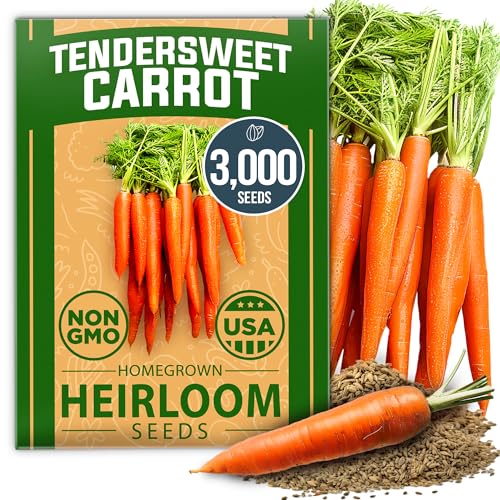
Premium Tendersweet Carrot Seeds: Authentic Open-Pollinated Premium Heirloom Seeds (USA) Non-GMO, Untreated, High Germination Rate. Phenomenal dessert Brix profile. High-impact carotene energy. An outstanding orange monolith for open ground, high ridges, and patio containers. Your garden bed is your pride.
Preparing the Soil for Fall Planting
To ensure successful carrot growth in the fall, start by preparing the soil. Here are some essential steps:
- Clear the area of any debris to provide a clean slate for planting.
- Loosen the soil to a depth of at least 12 inches to improve aeration and root penetration.
- Remove any rocks or obstructions that could impede the carrots’ growth.
- Incorporate compost or well-aged manure to enrich the soil with essential nutrients.
When preparing the soil, ensure it is well-draining to prevent waterlogging, which can lead to rot and disease in carrots. A pH level between 6.0 and 6.8 is ideal for carrot cultivation.
Remember, healthy soil is the foundation for thriving crops. By taking the time to prepare the soil properly, you set the stage for a bountiful carrot harvest in the fall.
Planting Carrot Seeds in the Fall
To plant carrot seeds in the fall, follow these steps:
- Prepare Seed Bed: Loosen soil and remove debris.
- Sow Seeds: Plant ⅛ inch deep and space them 2 inches apart.
- Cover Seeds: Lightly cover seeds with soil.
- Water: Keep soil moist but not soggy.
- Thin Seedlings: Once they have 2-3 leaves, thin seedlings to have 1-2 inches between plants.
- Mulch: Apply a layer of mulch to retain moisture and suppress weeds.
- Temperature: Seeds germinate best between 50-85°F.
- Timing: Plant seeds 8-10 weeks before the first frost date.
- Carrot Variety: Choose a suitable variety for fall planting.
| Optimal Germination Temperature | 50-85°F |
|---|---|
| Recommended Planting Time | 8-10 weeks before first frost |
Watering and Care Tips for Fall Carrots
When it comes to watering your fall carrots, remember to keep the soil consistently moist. Carrots need about 1 inch of water per week, so ensure you water deeply to encourage root growth.
Consider using a soaker hose to deliver water directly to the soil near the roots, minimizing evaporation. Avoid overhead watering to prevent the carrot tops from rotting.
Monitor the moisture levels regularly and adjust your watering schedule based on weather conditions. In dry spells, increase watering frequency to prevent the soil from drying out.
To provide care for your fall carrots, keep an eye out for pests like carrot rust flies and disease such as carrot blight. Remove any affected plants promptly to prevent further spread.
Mulching around your carrot plants can help retain moisture in the soil, regulate temperature, and reduce weed growth. Opt for straw or grass clippings as mulch to create an ideal environment for your fall carrots to thrive.
Remember that consistency is key when it comes to caring for your fall carrots. By following these tips, you can ensure a successful harvest of crisp and sweet carrots in the fall season.
Recommended Products

Upgraded 5/8-Inch Durable Soaker Hose — Made of premium flexible material with high tensile strength, resistant to stretching and tearing. UV-resistant structure ensures long-lasting use in harsh weather (-40°F to 140°F), soft to handle and easy to lay in any garden layout.

SMARTER WATERING, BIGGER SAVINGS- Cut water usage by up to 80%! Our flat soaker hose delivers hydration directly to the root zone, eliminating evaporation waste. Watch your utility bills drop while your plants flourish with deep, consistent drip irrigation that conventional sprinklers simply can't match.

Upgraded New Formula for Superior Performance — Features a soft, comfortable hand feel (perfect for easy handling) and enhanced tensile strength (over 50 lbs), making it more durable and resistant to stretching/tearing. UV-resistant material ensures long-lasting use in harsh weather (-40°F to 140°F).
Harvesting and Storing Fall Carrots
When it comes time to harvest your fall carrots, these vibrant veggies are at their peak flavor and nutritional value. Follow these simple steps to ensure a bountiful and successful harvest:
- Timing is Key: Harvest your fall carrots when they reach full maturity, typically around 60-75 days after planting. Look for firm, bright orange roots that are around 3/4 to 1 inch in diameter.
- Loosen the Soil: Before harvesting, gently loosen the soil around the carrots with a garden fork to make pulling them out easier.
- Careful Extraction: Grasp the carrot near the base and gently pull it out of the ground. Be cautious not to damage the roots.
- Trimming and Cleaning: Trim off the tops, leaving about an inch of greenery attached to the carrot. Avoid washing them at this stage to prevent spoilage.
- Storage Tips: For optimal freshness, store your harvested carrots in a cool, dark place with high humidity. Consider refrigerating them in a plastic bag with air holes for extended freshness.
| Carrot Harvesting Tips | |
|---|---|
| Harvest Time | 60-75 days after planting |
| Ideal Size | 3/4 to 1 inch in diameter |
| Storage Conditions | Cool, dark place with high humidity |
Conclusion
You’re now equipped with the knowledge to harvest and store your fall carrots successfully. Remember to wait until they’re fully mature before pulling them out of the ground. Look for those vibrant orange roots of the right size. Follow the steps for harvesting carefully to ensure your carrots stay fresh and full of flavor. Storing them in a cool, dark place with high humidity is key to maintaining their quality. Consider refrigerating them in a plastic bag with air holes for extended freshness. With these tips, you’re on your way to enjoying a plentiful supply of delicious and nutritious fall carrots. Happy gardening!
Frequently Asked Questions
How do I know when fall carrots are ready to be harvested?
Fall carrots are ready to be harvested when they reach full maturity, usually after 60-75 days. Look for firm, bright orange roots with a specific diameter.
What steps are involved in harvesting fall carrots?
To harvest fall carrots, start by loosening the soil around them. Gently extract the carrots from the ground, trim the tops, and ensure they are intact.
How should I store fall carrots for optimal freshness?
Store fall carrots in a cool, dark place with high humidity to maintain freshness. For extended freshness, refrigerate them in a plastic bag with air holes.
Any tips for ensuring a successful and bountiful harvest of fall carrots?
For a successful harvest of flavorful fall carrots, follow the harvesting guidelines diligently. Proper storage and refrigeration methods will help preserve their freshness and nutrients.
