

Understanding Frost and its Impact on Green Beans
Freezing temperatures can harm green beans by damaging their plant tissues. When frost forms on foliage, it can cause water inside the cells to freeze and expand, leading to ruptured cell walls.
Frost tends to be more damaging in the spring when plants are actively growing, as opposed to the fall when they are preparing for dormancy. Young plants are more susceptible to frost damage due to their tender nature.
To protect your green beans from frost:
- Monitor Weather Forecasts: Keep an eye on weather predictions during the frost-prone season.
- Cover Your Plants: Use cloths, blankets, or frost cloth to shield your green beans from the cold.
- Water Your Plants: Well-hydrated plants are more resilient to frost. Water your green beans before a frost event.
- Mulch Your Garden: A layer of mulch helps regulate soil temperature and retain heat.
By understanding the effects of frost and implementing protective measures, you can safeguard your green beans from potential damage.
Choosing the Right Green Bean Varieties Resistant to Frost
When selecting green bean varieties for your garden, opt for those that are known for their frost resistance. By choosing the right types, you can minimize the risk of frost damage to your plants. Look for varieties that are specifically bred for cooler climates or have characteristics that make them less susceptible to frost.
Some popular green bean varieties known for their frost resistance include:
- Provider
- Blue Lake Bush
- Dragon Tongue
- Tendergreen
- Maxibel
Consider these varieties for your garden to increase the chances of your green beans surviving unexpected frost events. Remember, prevention is key when it comes to protecting your plants from potentially harmful temperatures.
Recommended Products
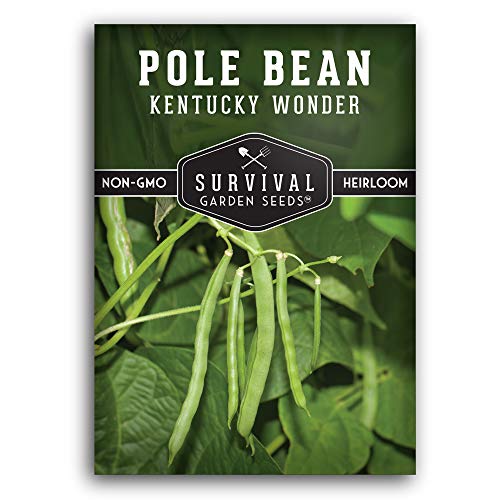
CLIMBING POLE BEANS SEEDS - Kentucky Wonder pole bean (Phaseolus vulgaris) seeds produce vigorous vines that climb trellises, fences, and poles, maximizing vertical space and increasing production in compact garden areas
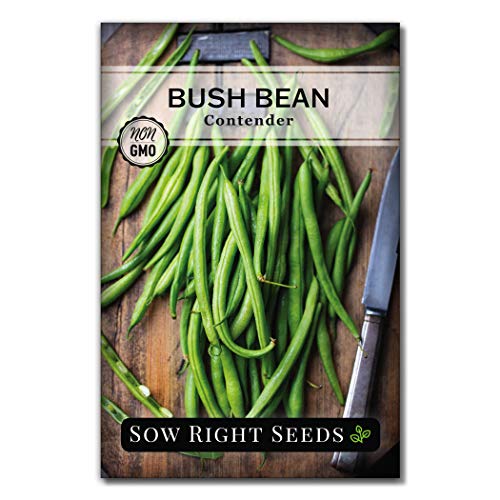
Beautiful - Large premium seed packet of Contender Bush Bean (Phaseolus vulgaris) seeds. Minimum of 16.5g per packet (about 30 seeds). Stringless bush bean that matures early and produces high yields. Adaptable, performing well in short, cool growing seasons or in hot weather. Beans are 5-8" long and retain their flavor when frozen or canned.
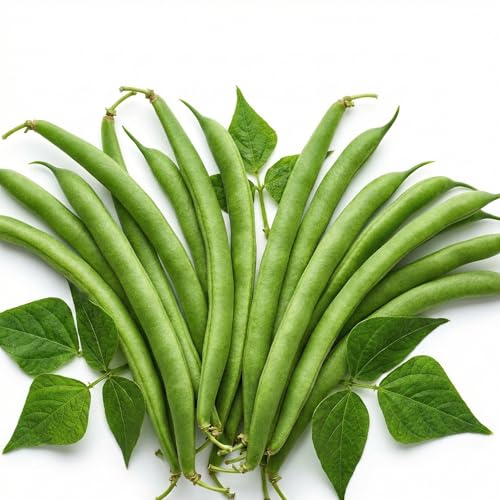
Dependable bush snap bean, Provider green bean (Phaseolus vulgaris); open-pollinated heirloom (released 1966); valued for cooler spring weather performance vs many beans; tender pods for fresh eating, freezing, and canning
Planting and Placement Tips to Protect Green Beans from Frost
When planting green beans, consider the following tips to safeguard them from potential frost damage:
- Choose a Good Location: Select a sunny spot with good drainage for planting your green beans.
- Optimal Planting Time: Wait until after the last frost date in your area to plant green beans to reduce the risk of frost damage.
- Spacing Matters: Properly space your green bean plants to allow for adequate air circulation, which can help prevent frost buildup on foliage.
- Consider Raised Beds: If you’re in a frost-prone area, raised beds can help keep the beans above colder ground temperatures.
- Planting Depth: Plant your green beans at the recommended depth to ensure they are well-established before any potential frosty nights.
- Covering Techniques: Utilize row covers or cold frames to shield your green beans from frost, especially during unpredictable weather patterns.
- Mulching: Apply a layer of mulch around your green bean plants to help regulate soil temperatures and protect roots from frost damage.
By incorporating these planting and placement tips into your green bean gardening routine, you can boost their resilience against frost and increase their chances of thriving throughout the growing season.
Frost Protection Methods for Green Beans
To shield your green beans from frost, you can employ various effective methods. Let’s delve into ways to safeguard your precious green beans from the chilling effects of frost:
Row Covers:
- Cover your green bean plants with lightweight row covers to provide a protective shield against frost.
Cold Frames:
- Utilize cold frames to create a warm and sheltered environment for your green beans during frosty periods.
Mulching:
- Apply a thick layer of mulch around the base of your green bean plants to help regulate soil temperature and protect them from frost.
Watering Strategy:
- Water your green bean plants before an anticipated frost to help them retain heat and reduce frost damage.
- Keep a close eye on weather forecasts to stay prepared and take necessary measures to protect your green beans from frost.
- Consider harvesting your green beans earlier if frost is predicted to ensure that you can enjoy a good harvest before any potential damage.
| Statistics | Data |
|---|---|
| Average Last Frost Date | Mid-May |
| Ideal Soil Temperature | 60-70°F |
| Recommended Planting Depth | 1 inch |
Monitoring and Responding to Frost Warnings
When it comes to protecting your green beans from frost, being proactive is key. Keep an eye on weather forecasts, especially during the colder months. If a frost warning is issued, act swiftly to shield your green beans. Here are some practical steps to help you navigate frost warnings effectively:
- Stay in the Know: Regularly check weather forecasts, preferably multiple sources, to ensure you’re well-informed.
- Take Action Early: If frost is predicted, cover your green beans the evening before the expected cold spell.
- Choose the Right Cover: Use blankets, cloths, or frost cloth to insulate your plants and retain heat.
- Remove Covers During the Day: Uncover your green beans in the morning to allow sunlight and air circulation.
- Water Wisely: Well-hydrated plants are better equipped to withstand frost, so water deeply before the cold sets in.
Remember, by staying vigilant and responding proactively to frost warnings, you can significantly protect your green beans from harm and enjoy a bountiful harvest.
Conclusion
By staying proactive and implementing simple strategies like monitoring weather forecasts, covering your green beans with appropriate materials, and ensuring they are well-hydrated, you can protect your plants from frost damage. Remember to uncover them during the day for sunlight and air circulation. With these steps, you’ll be able to safeguard your green beans and enjoy a successful harvest. Happy gardening!
Frequently Asked Questions
Why is monitoring weather forecasts important for protecting green beans from frost damage?
It is crucial to monitor weather forecasts to stay informed about possible frost warnings. By keeping track of upcoming weather conditions, you can take proactive measures to protect your green beans from frost damage.
What practical steps can be taken to safeguard green beans during a frost warning?
When a frost warning is issued, cover your green bean plants with materials like frost cloth, blankets, or buckets to shield them from the cold. Remember to uncover the plants during the day for sunlight and air circulation. Additionally, ensure your plants are well-hydrated before the cold spell to help them withstand frost.
How can gardeners optimize their green bean harvest through proactive frost protection?
By responding promptly to frost warnings and implementing protective measures, gardeners can minimize frost damage to their green bean plants. This proactive approach ensures that plants remain healthy and productive, leading to a successful harvest of green beans.
