

Have you ever wondered how close you should plant your tomato plants for optimal growth? Picture this: you’re in your garden, eagerly anticipating a bountiful harvest of juicy tomatoes. But wait, are your plants spaced just right to thrive? In this article, we’ll explore the ideal planting distance for your tomato plants and why it matters.
By understanding the correct spacing for your tomato plants, you can ensure they receive adequate sunlight, water, and nutrients to flourish. This knowledge not only promotes healthier plants but also maximizes your yield come harvest time. Stay tuned as we guide you through the ins and outs of planting tomatoes at the perfect distance for a successful growing season.
Key Takeaways
- Proper spacing of tomato plants is crucial for optimal growth, ensuring adequate sunlight, water, and nutrients for healthy development.
- Factors influencing spacing decisions include the variety of tomatoes, growth conditions, support systems, and gardening goals.
- Determinate tomato varieties should be spaced approximately 12-24 inches apart, while indeterminate varieties need about 24-36 inches of space between plants.
- Prepare the soil with compost and fertilizer before planting tomatoes to provide a healthy environment for growth.
- Avoid common mistakes like overcrowding plants, which can lead to stunted growth and reduced yields, or underutilizing garden space by excessively spreading out plants.
Understanding Tomato Plant Spacing
When it comes to planting tomato plants, understanding the correct spacing is crucial for their growth and productivity. Proper spacing ensures that each plant receives adequate sunlight, water, and nutrients essential for healthy development. Let’s delve into why proper spacing matters and the factors you should consider when deciding how close to plant your tomato plants.
The Importance of Proper Spacing
Spacing your tomato plants correctly plays a significant role in their overall health and productivity. Here’s why it’s essential:
- Optimal Growth: Giving each plant enough space allows its roots to spread out effectively, promoting better nutrient absorption and overall growth.
- Disease Prevention: Adequate spacing helps improve air circulation around the plants, reducing the risk of fungal diseases that thrive in damp environments.
- Sunlight Exposure: Properly spaced plants receive ample sunlight throughout the day, supporting photosynthesis and fruit development.
- Water Distribution: When plants are placed at appropriate distances from each other, watering becomes more efficient as each plant gets its fair share without overcrowding.
Factors Influencing Spacing Decisions
Several factors come into play when determining how far apart to plant your tomato seedlings:
- Variety of Tomatoes: Different types of tomatoes require varying amounts of space based on their growth habits. Indeterminate varieties need more room than determinate ones due to their sprawling nature.
- Growth Conditions: Consider the environmental conditions in your area such as climate, soil quality, and available sunlight when deciding on plant spacing.
- Support System: If you plan to use stakes or cages for support, factor this into your spacing calculations to ensure there’s enough room for both the plant and its structure.
- Gardening Goals: Your gardening objectives, whether it’s maximizing yield in a limited space or focusing on larger fruits by providing extra room between plants, will influence your spacing decisions.
Types of Tomato Plants and Their Spacing Needs
When it comes to planting tomato plants, understanding the types of tomato varieties and their specific spacing requirements is crucial for successful cultivation. Let’s explore the different types of tomato plants and how you should space them accordingly.
Recommended Products

PLASTIC MATERIAL: The plant support clips are made of plastic. 1.2 inch (30 mm) middle diameter. Smooth surface without burr. The clamps are durable, and the middle joint is folded repeatedly and not easy to break, which can be reused.
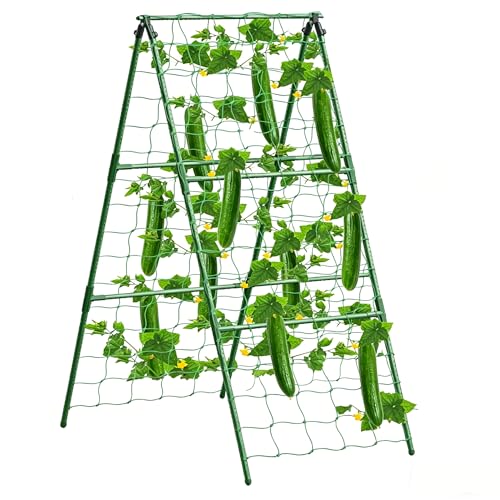
【Package included】:This Trellis for Climbing Plants Outdoor comes complete with everything you need to get started: 17pcs metal stakes, 8pcs T shape connect pipe, 2 A-shaped connectors, and a 0.9x1.8meter plant net.
Determinate Tomato Varieties
Determinate tomato varieties are compact plants that grow to a predetermined size and produce fruit within a defined period. These tomatoes are often referred to as bush tomatoes due to their shorter stature. When planting determinate tomato varieties, it’s essential to space them approximately 12-24 inches apart in rows that are 24-36 inches apart. This spacing allows each plant to receive adequate sunlight, airflow, and nutrients for optimal growth.
Indeterminate Tomato Varieties
Indeterminate tomato varieties are vining plants that continue to grow and produce fruit throughout the season until frost kills them. These tomatoes require more vertical support than determinate varieties. When planting indeterminate tomato varieties, you should space them about 24-36 inches apart in rows that are 36-48 inches apart. Providing sufficient spacing between indeterminate tomato plants ensures proper air circulation, reduces the risk of diseases, and allows for efficient harvesting.
By understanding the differences between determinate and indeterminate tomato varieties and following the recommended spacing guidelines for each type, you can create an ideal environment for your tomato plants to thrive and yield abundant harvests.
Practical Tips for Planting Tomatoes
When it comes to planting tomatoes, there are some practical tips you should keep in mind to ensure your plants thrive. Here are some essential guidelines for successfully planting and caring for your tomato plants.
Recommended Products

【The Height And Width Can Be Changed At Will】-2Pcs plant support cages which width is 8.3 inch and height 22 inch.You can assemble the two parts into one,geting a larger,taller support cage.The height can be adjusted by increasing or decreasing the number of sticks,while the diameter can be adjusted by adding or removing the circular rings.

【New generation Plant Support Cage】Different from other tomato trellis, LOMNYIY tomato support cage have the newest plug-in connection, and unique double-layer metal tube built-in interface design to stay together tighter and more stable. And the poles are very hard with a metal core, yet are coated entirely in plastic to keep them from rusting, and the heat dissipation is good. It means strong durable performance can hold up in the wind with heavy tomato plants in them.
Preparing the Soil
Prepare the soil before planting your tomato seedlings to provide them with a healthy environment to grow. Ensure the soil is well-draining and rich in nutrients by adding compost or organic matter. Mix in fertilizer according to the recommendations on the package to give your plants a good start. Remember that tomatoes prefer slightly acidic soil with a pH level between 6.0 and 6.8.
Planting and Initial Care
Dig holes for your tomato plants that are deep enough to cover most of the stem, as burying part of the stem encourages root development. Space your plants according to their type—determinate varieties closer together and indeterminate varieties further apart—to allow them room to grow without crowding each other. After planting, water your tomatoes thoroughly but avoid wetting the foliage excessively, as this can lead to disease issues.
Support your tomato plants using stakes or cages to prevent them from sprawling on the ground and protect them from damage caused by pests or diseases. Mulch around the base of each plant with straw or wood chips to retain moisture, regulate soil temperature, and suppress weeds.
By following these practical tips for preparing the soil, planting correctly, providing initial care, and supporting your tomato plants, you’ll set them up for success and enjoy a bountiful harvest when they reach maturity.
Common Mistakes in Tomato Plant Spacing
When it comes to planting tomato plants, avoiding common mistakes in spacing is crucial for their healthy growth and abundant harvest. Let’s delve into two key errors that gardeners often make:
Recommended Products

【Pack of 20】: The tomato hooks can be used alone or with truss brackets, place the tomato hook at the suitable place on the vegetable, vertical drop the rope, the vine will grow around the rope.

Yarlung value pack 24 pcs tomato roller hooks, 49.2 feet/15 m high-strength white twine per reel, and 240 reusable plant support clips. Everything you need to support climbing plants neatly and efficiently
Overcrowding Impact
Planting tomato plants too close together can have detrimental effects on their development. When overcrowded, the plants compete for essential resources such as sunlight, water, and nutrients from the soil. This competition can lead to stunted growth, reduced fruit production, increased susceptibility to diseases due to poor air circulation, and difficulty accessing adequate moisture.
To prevent overcrowding issues, ensure you follow the recommended spacing guidelines based on the type of tomato variety you’re cultivating. Proper spacing not only promotes individual plant health but also contributes to a more bountiful yield at harvest time.
Underutilizing Garden Space
On the flip side, underutilizing your garden space by excessively spreading out tomato plants can also hinder their growth potential. Leaving too much distance between plants may result in wasted space that could have been used for additional crops or flowers.
To maximize your garden’s productivity while still allowing ample room for each tomato plant to thrive, carefully plan your planting layout according to the specific requirements of the varieties you’re growing. By optimizing space usage, you can create a flourishing garden that efficiently utilizes every available inch of land.
By being mindful of these common mistakes and adjusting your planting strategy accordingly, you’ll set yourself up for success in cultivating vibrant and fruitful tomato plants in your garden.
Conclusion
You now have a better understanding of the importance of proper spacing when planting tomato plants. By ensuring adequate room between your plants, you can promote their overall health and yield. Factors such as tomato type, growth conditions, and support systems play a role in determining the ideal spacing for your garden. Remember to consider these factors when planning your planting strategy. Avoid common mistakes like overcrowding, as they can hinder your plants’ development. With the right spacing and care, you’ll be on your way to cultivating thriving tomato plants that will reward you with delicious fruits. Happy gardening!
Frequently Asked Questions
What are the benefits of proper spacing for planting tomato plants?
Proper spacing ensures optimal nutrient absorption, disease prevention, sunlight exposure, and water distribution, leading to healthier and more productive tomato plants.
What factors influence decisions on tomato plant spacing?
Tomato type, growth conditions, support systems, and gardening objectives play a crucial role in determining the ideal spacing between tomato plants.
Why is understanding the differences between determinate and indeterminate tomato varieties important?
Understanding these differences is essential for successful cultivation as it affects pruning requirements, fruit yield, and overall plant management strategies.
What are some practical tips for planting tomatoes effectively?
Tips include soil preparation, maintaining pH levels, digging deep holes, providing appropriate spacing based on variety and support needs, watering adequately, providing initial care like staking or caging for support, and mulching to retain moisture.
What are common mistakes to avoid when spacing tomato plants?
Common mistakes include overcrowding plants which leads to competition for resources and underutilizing garden space. To avoid these errors ensure sufficient space between plants according to their specific requirements.
