

Have you ever wondered if your clay soil can support a thriving tomato garden? Picture this: You’re eager to grow juicy, ripe tomatoes in your backyard, but the dense clay soil leaves you feeling uncertain. How can you turn this challenging scenario into a successful harvest?
Key Takeaways
- Clay soil poses challenges for growing tomatoes due to poor drainage and limited root development.
- Despite challenges, clay soil offers benefits like excellent nutrient retention and stability during adverse weather.
- Amending clay soil with organic matter, tilling thoroughly, and creating raised beds can optimize it for healthy tomato growth.
- Select determinate tomato varieties, prepare the soil with organic matter, ensure proper drainage, use raised beds, and monitor moisture levels for successful cultivation in clay soil.
- Proper watering practices, improving drainage with organic matter, balanced fertilization, and mulching are crucial for maintaining healthy tomato plants in clay soil.
- Consider climate factors such as temperature extremes, rainfall distribution, humidity levels, and wind exposure when growing tomatoes in clay soil to ensure optimal plant health.
Exploring the Viability of Growing Tomatoes in Clay Soil
Challenges Posed by Clay Soil
Clay soil presents several challenges for growing tomatoes. Its dense nature restricts root development, leading to poor drainage and increased risk of waterlogging. This can suffocate plant roots and cause rot diseases, hampering tomato growth.
Benefits of Clay Soil for Tomatoes
Despite its challenges, clay soil offers benefits for tomato cultivation. It has excellent nutrient retention properties, ensuring a steady supply of essential minerals for plant growth. The compact structure also provides stability for tomato plants during adverse weather conditions.
Remember, while clay soil may pose obstacles, with proper care and amendments like organic matter incorporation or raised beds, you can optimize its characteristics to foster healthy tomato growth.
Amending Clay Soil for Tomato Cultivation
To optimize clay soil for growing tomatoes successfully, you need to choose the right amendments and follow specific steps to improve soil structure.
Recommended Products
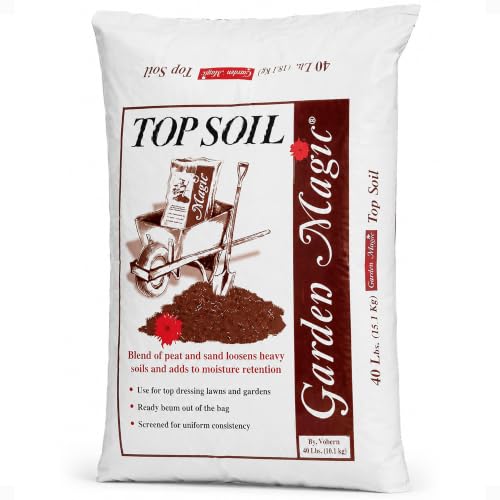
Ready-to-Use for All Planting Needs: This general-purpose potting soil is ready to use out of the bag, perfect for both indoor and outdoor planting without any extra prep

8qt bag of Premium Horticultural Grade Perlite to promote root growth, soil aeration & drainage

Package Includes: You will get 4 quarts of coarse perlite, these are evenly sized and perfect for adding to potting soil for potted plants or as pavement for succulents to keep your plants looking nice and clean, it is essential for precise cactus mixes or carnivorous plant soils as it pulls water away efficiently
Choosing the Right Amendments
When amending clay soil for tomato cultivation, consider incorporating organic matter such as compost, well-rotted manure, or peat moss. These amendments can help break up the dense clay particles, improve drainage, and enhance nutrient availability for your tomato plants.
- Begin by tilling the clay soil thoroughly to loosen it up and create a better environment for root growth.
- Mix in the chosen organic matter evenly throughout the soil to increase its porosity and water retention capacity.
- Consider adding sand or perlite to further improve drainage in heavy clay soils.
- Create raised beds filled with a blend of topsoil and compost to provide optimal growing conditions for your tomatoes.
- Regularly monitor moisture levels in the amended soil to ensure proper hydration without waterlogging.
By following these steps and selecting suitable amendments, you can transform challenging clay soil into a fertile ground that supports healthy tomato plants thriving in your garden.
Best Planting Techniques for Tomatoes in Clay Soil
To ensure successful tomato cultivation in clay soil, you need to follow specific planting techniques that cater to the challenges posed by this type of soil. Here are some guidelines to help you maximize your tomato yield even in clay soil:
Recommended Products

ALL-NATURAL MIX: Burpee Organic Premium Potting Mix is formulated with plant food & coconut coir to promote seed & root growth and healthy flower, vegetable & herb plants. OMRI Listed for organic use.

Ready-to-Use Formula: No mixing or extra steps required. Simply pour and plant - perfect for gardeners of all experience levels.

Selecting the Right Tomato Varieties
When dealing with clay soil, it’s crucial to choose tomato varieties that can thrive in such conditions. Opt for determinate tomatoes like ‘Celebrity,’ ‘Roma,’ or ‘Bush Early Girl’ as they tend to perform better in heavy soils compared to indeterminate varieties. These determinate types have a compact growth habit and mature faster, making them ideal for clay soil.
- Prepare the Soil: Before planting, ensure you amend the clay soil adequately with organic matter such as compost or well-rotted manure. This will improve drainage and nutrient retention.
- Till and Mix Amendments: Work on tilling the soil properly while incorporating amendments evenly throughout the planting area. This process helps break up compacted clay and ensures uniform distribution of nutrients.
- Consider Drainage: To enhance drainage in clay soil, consider adding sand or perlite into the mix during preparation. These materials help prevent waterlogging, which is a common issue with clay soils.
- Raised Beds: Creating raised beds filled with a blend of topsoil and compost can be beneficial when dealing with clay soil. Raised beds offer better drainage and aeration for plant roots, promoting healthier growth.
- Monitor Moisture Levels: Regularly check the moisture levels in your clay soil garden to avoid overwatering or underwatering your tomato plants. Clay soils retain moisture well but can become waterlogged if not managed correctly.
Maintenance and Care of Tomatoes in Clay Soil
To ensure successful tomato growth in clay soil, you’ll need to pay close attention to maintenance and care practices. Here are some essential tips to help you optimize the conditions for your tomato plants:
Watering and Drainage Best Practices
When it comes to watering tomatoes in clay soil, it’s crucial to strike a balance. Clay soil tends to retain water, which can lead to root rot if the soil becomes waterlogged. To avoid this issue, make sure you water your tomato plants deeply but infrequently. This encourages the roots to grow deeper into the soil while preventing excess moisture buildup.
Additionally, improving drainage in clay soil is essential for healthy tomato plants. You can enhance drainage by incorporating organic matter like compost or aged manure into the soil. These amendments help loosen the clay particles, allowing water to flow more freely through the soil.
Fertilization and Mulching Techniques
Fertilizing your tomato plants appropriately is key to promoting robust growth and abundant fruit production. In clay soil, nutrients may be less accessible to plant roots due to poor drainage and compaction. To address this issue, consider using a balanced fertilizer with equal parts nitrogen, phosphorus, and potassium.
Mulching is another effective technique for maintaining optimal growing conditions for tomatoes in clay soil. A layer of organic mulch such as straw or wood chips helps regulate soil temperature, retain moisture, suppress weeds, and improve overall soil structure over time.
By following these maintenance and care guidelines for tomatoes in clay soil, you can create an environment that supports healthy plant growth and ensures a bountiful harvest of delicious tomatoes.
The Impact of Climate on Tomatoes in Clay Soil
To ensure successful tomato growth in clay soil, understanding the impact of climate is crucial. In regions with varying climates, you need to consider how these factors affect your tomato plants’ development and yield.
Here’s a breakdown of the key climate elements that influence tomatoes growing in clay soil:
Temperature
In areas with extreme temperatures, such as high heat or frost, tomatoes may face challenges. High temperatures can lead to heat stress, affecting fruit set and overall plant health. On the other hand, frost can damage tomato plants and reduce yields. It’s essential to monitor temperature fluctuations and provide necessary protection when needed.
Rainfall
The amount and distribution of rainfall play a significant role in tomato cultivation. Excessive rainfall in clay soil can cause waterlogging, leading to root rot and poor nutrient uptake by the plants. Conversely, insufficient rainfall can result in drought stress, impacting fruit development. Proper drainage measures should be implemented to manage excess water during heavy rains.
Humidity
High humidity levels can create favorable conditions for fungal diseases that affect tomatoes grown in clay soil. It’s important to promote air circulation around the plants by spacing them adequately and avoiding overhead watering methods that increase humidity levels unnecessarily.
Wind
Strong winds can physically damage tomato plants or hinder pollination by disrupting flower structures. Providing windbreaks or planting taller crops as natural barriers can help protect your tomatoes from wind damage while ensuring proper pollination for healthy fruit production.
By considering these climate factors and implementing appropriate strategies based on your region’s conditions, you’ll be better equipped to nurture thriving tomato plants in clay soil environments.
Conclusion
Growing tomatoes in clay soil presents challenges, but with the right strategies, you can achieve successful cultivation. By enhancing soil structure, promoting drainage, and managing moisture levels, you can optimize clay soil for healthy tomato growth. Considering climate factors like temperature, rainfall, and humidity is crucial for addressing potential challenges such as heat stress and fungal diseases. With proper care and attention to both soil quality and climate conditions, you can nurture thriving tomato plants in clay soil environments. Remember to adapt your cultivation practices based on your specific climate to ensure the best results for your tomato plants.
Frequently Asked Questions
How can I optimize clay soil for growing tomatoes?
To optimize clay soil for growing tomatoes, incorporate organic matter like compost to improve drainage and nutrient availability. Monitor moisture levels regularly to prevent waterlogging, which can impede root development.
What impact does climate have on growing tomatoes in clay soil?
Climate significantly affects tomato growth in clay soil. Factors like temperature, rainfall, humidity, and wind conditions influence plant health and yield. Understanding these climate elements helps growers mitigate challenges such as heat stress, frost damage, waterlogging, drought stress, fungal diseases, and wind damage.
To address climate-related challenges when growing tomatoes in clay soil, consider implementing measures like providing shade during extreme heat, using row covers or mulch to protect from frost, ensuring proper drainage to prevent waterlogging, irrigating during drought periods, applying fungicides preventatively against fungal diseases, and using windbreaks to shield plants from damaging winds.
