

Have you ever wondered how to protect your tomato plants from unpredictable weather conditions? Picture this: You’ve diligently nurtured your tomato plants, only to have them at the mercy of harsh sunlight or sudden downpours. What can you do to shield them and ensure a bountiful harvest?
Key Takeaways
- Covering tomato plants is essential to protect them from harsh weather conditions, pests, and temperature fluctuations.
- Timing is crucial for covering tomato plants during extreme weather events, frosty periods, or when transplanting young seedlings.
- Options for covering include plastic sheeting, floating row covers, and cloches/bell jars, each serving a specific purpose in safeguarding the plants.
- Secure covers effectively by anchoring them with stakes or weights to prevent wind damage and ensuring proper ventilation to avoid humidity buildup.
- Avoid common mistakes like neglecting ventilation, using heavy covers without support, ignoring temperature regulation, and allowing pests entry points to protect tomato plants effectively.
Understanding the Need to Cover Tomato Plants
When it comes to your tomato plants, understanding why covering them is essential can help you ensure a successful harvest. Here are the key reasons for covering tomato plants and the optimal timing for this protective measure.
Recommended Products
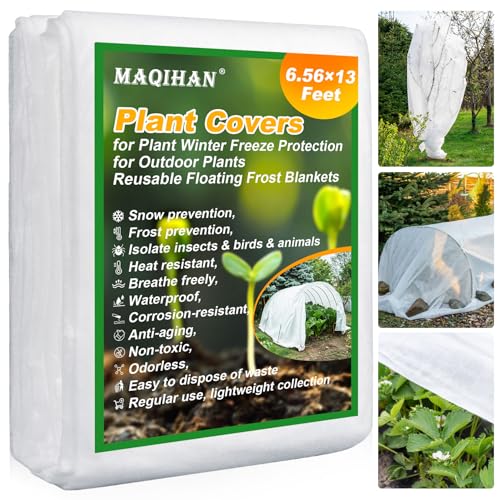
Product Features: Our plant covers are ideal for protecting all plant. Made from premium 1 oz/sq non-woven fabric, their durability and breathability ensuring both insulation against frost and facilitation of sunlight penetration for healthy plant growth
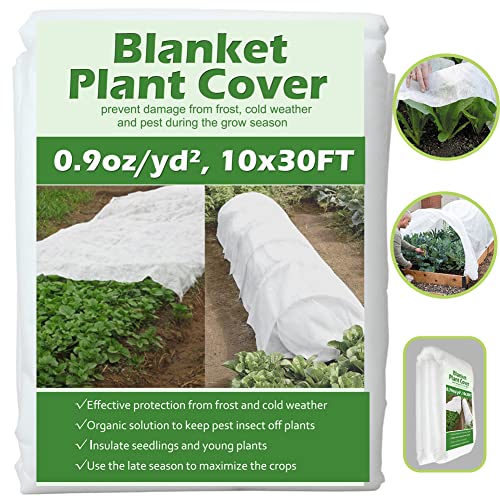
※Big Size to cover large area : The size of our plant cover is 10x30ft, the size can cover large areas. You can cut the plant covers freeze protection into different sizes for different use. You can cover it over the plant such as shrub tomato, pepper, pumpkin, and so on.

THICKER MATERIAL: Our plant freeze protection cover is made of UV stabilized polypropylene. Upgraded thicker 0.9oz./sq.yard lightweight but durable. Soft plant covers are friendly and no harm to your plants. Breathable non-woven fabric allow light, air go through the frost cloths and reach the plants.
Reasons for Covering Tomato Plants
Covering your tomato plants serves various crucial purposes:
- Protection from Harsh Weather: Shielding your tomato plants helps safeguard them from extreme weather conditions like heavy rain, hail, or scorching sunlight.
- Pest Prevention: Covering your plants can act as a barrier against pests that may damage or feed on your tomatoes.
- Temperature Regulation: By covering your tomato plants, you can maintain more stable temperatures around the plant, which is beneficial for their growth and fruit production.
When to Cover Tomato Plants
Knowing when to cover your tomato plants is vital for maximizing the benefits of protection:
- During Extreme Weather Events: Be proactive in covering your tomato plants when severe weather events are forecasted to prevent damage.
- At Night or During Frosty Periods: If temperatures drop significantly during the night or frost is expected, covering your plants can help prevent cold damage.
- When Transplanting Young Seedlings: Newly transplanted seedlings are delicate; consider covering them initially to provide extra protection until they establish themselves in their new environment.
By understanding why and when to cover your tomato plants, you can nurture healthier plants and increase the likelihood of a bountiful harvest.
Options for Covering Tomato Plants
When it comes to protecting your tomato plants, there are various options available. Each method serves a specific purpose in safeguarding your plants and ensuring a bountiful harvest.
Recommended Products

Comprehensive Winter Protection for Your Garden: Our outdoor plant covers provide complete freeze protection for strawberries, vegetables, tomatoes, fruit trees, citrus plants, shrubs, and potted plants throughout the winter. This frost cloth plant freeze protection shields delicate plants from sudden temperature drops, frost, and strong winds, ensuring they survive harsh winter conditions. Ideal for those looking for frost blankets for outdoor plants and reliable plant freeze protection covers.

※Big Size to cover large area : The size of our plant cover is 10x50ft, the size can cover large areas. You can cut the plant covers freeze protection into different sizes for different use. You can cover it over the plant such as shrub tomato, pepper, pumpkin, and so on.

【10X100FT Plant Covers Freeze Protection】: Large size allows you to cut it into different sizes for different purposes. You can use whole pieces garden fabric plant blankets to cover and protect whole garden plots, or you can cut them into small pieces for wrapping fruit trees, potted plants, ornamental crops.
Using Plastic Sheeting
Protecting your tomato plants with plastic sheeting is a cost-effective way to shield them from adverse weather conditions. Plastic sheeting acts as a barrier against frost, wind, and excessive rain, creating a microclimate that promotes plant growth. It’s important to secure the edges of the sheeting to prevent it from blowing away and to allow sunlight to reach the plants effectively.
Utilizing Floating Row Covers
Floating row covers provide an effective physical barrier against pests while also offering protection from harsh weather elements. These lightweight covers allow air, water, and sunlight to penetrate while keeping insects at bay. By securing the edges of the row covers properly, you can create a protective shield around your tomato plants without hindering their growth.
The Role of Cloches and Bell Jars
Cloches and bell jars are ideal for protecting individual tomato plants or seedlings. These transparent domes act as mini greenhouses, trapping heat and moisture to create an optimal environment for plant development. Placing cloches over young tomato plants helps accelerate growth by maintaining consistent temperatures and shielding them from sudden temperature drops.
By exploring these different options for covering your tomato plants, you can effectively safeguard them from external threats and create an environment conducive to healthy growth. Choose the method that best suits your needs based on factors such as weather conditions, pest pressure, and plant development stage.
Tips for Securing Covers on Tomato Plants
When it comes to protecting your tomato plants, ensuring the covers stay in place is crucial. Here are some tips to help you secure the covers effectively.
Recommended Products

PREMIUM MATERIAL: Made of high quality stainless steel, these greenhouse clips are grippy, sturdy and durable, reusable and not easy to break, and the right angle clips are not easy to bend.


36 PCS Garden hoops for Raised Bed : Greenhouse Hoops frame widely used indoors and outdoors, great for the yard, vegetable garden, and garden raised beds. DIY Garden Hoops Grow Tunnel Kit works well to protect your plants, seedlings, herbs flowers,strawberry in any season gardening plant.Plant support for climbing plants,plant stakes for outdoor plants,Tomato support garden stakes.
Preventing Wind Damage
To prevent wind from dislodging your covers, anchor them securely using stakes or weights. Place heavy objects like bricks or rocks around the edges of the cover to keep it from blowing away. Additionally, consider using clips or clamps to fasten the covers firmly onto the plant cages or supports.
Ensuring Proper Ventilation
Proper ventilation is essential for healthy tomato plants under covers. Avoid completely sealing off the plants as this can lead to humidity buildup and mold growth. Create small openings or vents in the cover material to allow air circulation while still providing protection. Mesh screens or adjustable flaps can be used to regulate airflow and prevent overheating.
By following these tips for securing covers on your tomato plants, you can protect them effectively while promoting optimal growth conditions.
Common Mistakes to Avoid When Covering Tomato Plants
When protecting your tomato plants, it’s crucial to be mindful of common mistakes that can hinder their growth and health. Here are some pitfalls to steer clear of:
- Neglecting Proper Ventilation: Forgetting to ensure adequate airflow under the cover can lead to excess humidity, creating a breeding ground for diseases that harm tomato plants. Make sure there are vents or openings in the cover to promote air circulation.
- Using Heavy Covers Without Support: Opting for heavy covers without proper support can damage your tomato plants by pressing down on them or causing breakage. Always use stakes or weights to secure covers gently without putting undue pressure on the plants.
- Ignoring Temperature Regulation: Failing to monitor the temperature under the cover can result in overheating or chilling stress for your tomato plants. Be mindful of extreme temperatures and adjust the cover accordingly to provide a comfortable environment for optimal growth.
- Allowing Pests Entry Points: Overlooking gaps or tears in the cover can allow pests easy access to your tomato plants, potentially causing significant damage. Regularly inspect covers for any openings and promptly repair them to prevent pest infestations.
Avoiding these common mistakes when covering your tomato plants will help you safeguard them effectively while promoting healthy growth throughout the season.
Conclusion
Now that you’ve learned about the importance of covering your tomato plants and different methods to shield them from threats, you are well-equipped to nurture healthy plant growth. Remember to consider factors like weather protection, pest prevention, and temperature regulation when selecting a cover. By following the tips provided for securing covers effectively and avoiding common mistakes, you can ensure your tomato plants thrive in a protected environment. With proper care and attention to detail in covering your tomato plants, you’ll be on your way to a bountiful harvest in no time. Happy gardening!
Frequently Asked Questions
Q: Why should I cover my tomato plants?
A: Covering tomato plants helps protect them from weather elements, pests, and temperature fluctuations, promoting healthy growth and higher yields.
Q: When is the best time to cover tomato plants?
A: It’s ideal to cover tomato plants before extreme weather conditions or pest activity occur, usually in early spring or before the first frost.
Q: What are some methods for covering tomato plants?
A: You can use plastic sheeting, floating row covers, or cloches as effective methods for safeguarding tomato plants.
Q: How can I secure covers effectively?
A: Secure covers by anchoring them with stakes or weights, ensuring proper ventilation, and using mesh screens for airflow regulation.
Q: What are common mistakes to avoid when covering tomato plants?
A: Avoid neglecting ventilation, using heavy covers without support, ignoring temperature regulation, and allowing pests easy access.
