

Have you ever wondered why your tomato plant isn’t thriving as it should? Picture this: you’ve been diligently watering your beloved tomato plant, but instead of flourishing, it’s looking a bit droopy. How can you tell if you’ve been overwatering it?
In this article, we’ll guide you through the telltale signs that your tomato plant may be getting too much water. By recognizing these indicators early on, you can prevent potential damage and help your plant thrive. Let’s explore together how to assess if your tomato plant is receiving just the right amount of hydration for optimal growth.
Key Takeaways
- Yellowing leaves and wilting despite moist soil are common signs of overwatering in tomato plants.
- Root rot, indicated by a foul odor, is a serious consequence of overwatering that can harm the plant.
- Overwatering can lead to reduced fruit production and increase vulnerability to diseases in tomato plants.
- Proper watering techniques, well-draining soil mix, and adequate drainage are essential preventative measures to avoid overwatering issues.
Common Signs of Overwatering in Tomato Plants
Overwatering your tomato plants can lead to various issues that may hinder their growth. Here are some common signs to look out for:
Recommended Products

Accurate Soil Moisture Detection: The XLUX Soil Moisture Meter can tell you if the soil deep inside your pot or garden is dry, moist or wet; whereas your eyes and fingers can only determine the moisture level of the soil surface. The probe is 5.5 inches (14 cm) longer than regular styles, allowing it to measure the soil moisture at the bottom of larger and deeper flower pots.
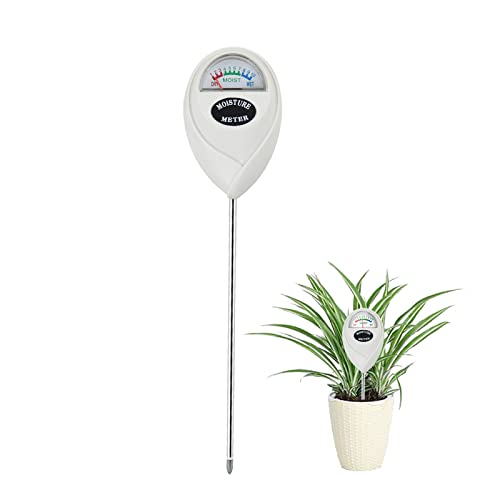
【SAVE YOUR PLANTS】: Over watering can cause problems with your plants or even kill them. This soil moisture meter helps you know the soil is dry, moist or wet.No more over watering!

Kindly NOTE: This soil tester can not be applied to test pH value of any other liquid. If the soil is too dry the indicator will not move, and water it before testing.
Yellowing Leaves
Yellowing leaves on your tomato plant could be a sign of overwatering. When the leaves turn yellow and appear waterlogged, it indicates that the roots are struggling due to excessive moisture.
Wilting Despite Moist Soil
If your tomato plant is wilting even though the soil is moist, it might be getting too much water. Wilting can occur when the roots suffocate from being constantly wet, causing the plant to lose turgidity despite adequate hydration.
Root Rot and Foul Odor
Root rot is a serious consequence of overwatering in tomato plants and can manifest as a foul odor emanating from the soil. The excess water creates a breeding ground for fungi that attack the roots, leading to decay and an unpleasant smell in the vicinity.
By recognizing these signs early on, you can take corrective action to ensure your tomato plants receive the right amount of water for healthy growth.
Impact of Overwatering on Tomato Plant Health
Overwatering your tomato plants can have detrimental effects on their health. Here’s how it can impact your plants:
Recommended Products

Accurate Soil Moisture Detection: The XLUX Soil Moisture Meter detects deep soil moisture in pots or gardens (dry/moist/wet), unlike eyes or fingers that only sense surface soil.

Accurate Soil Moisture Detection: The XLUX Soil Moisture Meter can tell you if the soil deep inside your pot or garden is dry, moist or wet; whereas your eyes and fingers can only determine the moisture level of the soil surface. The probe is 5.5 inches (14 cm) longer than regular styles, allowing it to measure the soil moisture at the bottom of larger and deeper flower pots.

✔️Accurate - A helpful tool of water meter for indoor plants which senses the moisture in the soil around plants. No more guess if the plant needs more or less water
Reduced Fruit Production
When you overwater your tomato plants, they may experience reduced fruit production. Excessive water in the soil can lead to nutrient leaching, causing the plant to receive fewer essential nutrients for fruit development. This can result in smaller fruits or a lower yield overall.
Increased Vulnerability to Diseases
Overwatered tomato plants are more susceptible to diseases. Excess moisture creates a favorable environment for pathogens like fungi and bacteria to thrive, leading to issues such as fungal infections and root rot. These diseases can weaken the plant, stunt its growth, and even cause irreversible damage if not addressed promptly.
By being mindful of these impacts of overwatering on your tomato plants’ health, you can take proactive steps to ensure they receive the right amount of water for optimal growth and productivity.
Preventative Measures to Avoid Overwatering
To ensure your tomato plants thrive and avoid overwatering issues, follow these preventative measures:
Recommended Products

HAPPIER GARDENING - Prop up plants, flower pots and garden items above lawns, patios, and decking to rise above the challenges of stains, soil build-up infestation!

Heavy-Duty & Weatherproof: Plant pot feet is made of high-quality, thickened PP plastic resin. Resistant to impact, UV rays, corrosion, and harsh weather, ensuring long-lasting durability year-round. Supports an impressive weight capacity of up to 200 lbs per set.

Easy to use, just slide the Bosmere Pot Toes under your pots or planters.
Proper Watering Techniques
When watering your tomato plants, aim for consistency rather than frequency. It’s essential to water deeply but less often to encourage strong root growth. Ensure the soil is moist but not waterlogged by checking the top few inches for dryness before watering again.
Choosing the Right Soil Mix
Select a well-draining soil mix for your tomato plants to prevent excess water retention. A good mix should contain organic matter like compost or peat moss to maintain moisture levels while allowing proper drainage. Avoid heavy clay soils that can lead to waterlogged roots.
Utilizing Adequate Drainage
Ensure your plant containers or garden beds have adequate drainage holes to allow excess water to escape easily. Elevate containers slightly off the ground using pot feet or place rocks at the bottom of pots before adding soil. Good drainage prevents water from pooling around the roots and causing damage.
By implementing these preventative measures, you’ll create an optimal environment for your tomato plants, reducing the risk of overwatering and promoting healthy growth and fruit production.
Conclusion
Now that you’re aware of the telltale signs of an overwatered tomato plant and the harm it can cause, you can take proactive steps to ensure your plants thrive. By following proper watering practices, choosing the right soil mix, and maintaining good drainage, you’ll create an ideal growing environment for your tomatoes. Remember, prevention is key when it comes to overwatering. With these simple adjustments, you can safeguard your plants from the perils of excessive moisture and set them up for success. Happy gardening!
Frequently Asked Questions
What are the signs of overwatering in tomato plants?
Overwatering in tomato plants can lead to yellowing leaves, wilting, and root rot. These signs indicate that the plant is getting more water than it needs.
What are the negative effects of overwatering on tomato plants?
Overwatering can result in reduced fruit production and make the plant more susceptible to diseases due to stress on its roots and inability to absorb nutrients properly.
How can I prevent overwatering my tomato plants?
To prevent overwatering, use proper watering techniques such as deep watering less often, choose well-draining soil mixes, and ensure adequate drainage in plant containers or garden beds. These measures help maintain optimal moisture levels for healthy growth.
