

Have you ever dreamed of picking juicy, sun-ripened tomatoes right from your own patio? Picture this: no more supermarket produce aisles, just the satisfaction of growing your own delicious tomatoes at home. In this article, we’ll show you how to bring that dream to life by planting tomatoes in pots.
Imagine having a bountiful harvest of fresh tomatoes just steps away from your kitchen. With our simple guide, you’ll learn the ins and outs of container gardening and discover the joy of cultivating your own tomato plants. Say goodbye to store-bought tasteless tomatoes and hello to flavorful, homegrown goodness.
Get ready to embark on a rewarding journey as we share expert tips and tricks for successfully planting tomatoes in pots. Whether you’re a seasoned gardener or just starting out, this article will equip you with everything you need to nurture thriving tomato plants right on your doorstep.
Key Takeaways
- Choosing the Right Pot: Select pots at least 18 inches in diameter with good drainage for healthy tomato plant growth.
- Selecting Tomato Varieties: Opt for compact and determinate varieties like Tiny Tim or Patio Princess suited for container gardening.
- Soil and Fertilizer Requirements: Use well-draining soil mix with organic fertilizers like compost to nourish potted tomato plants.
- Planting Techniques: Follow specific steps for seed starting indoors and transplanting seedlings into pots to ensure successful growth.
- Maintenance and Care: Maintain proper watering schedules, provide support, prune plants, and watch out for common pests and diseases to ensure a bountiful harvest.
Choosing the Right Pot
When selecting a pot for planting tomatoes, there are key factors to consider that can impact the growth and health of your plants.
Recommended Products

Durable and Lightweight: These containers are made of plastic, which is very durable and lightweight. This makes them very suitable for outdoor container gardening on terraces, porches, or decks. These trays will not crack or fade over time.

MADE WITH RECYCLED MATERIALS: A blend of recycled plastic, stone powder, and wood dust, this 18” planter is eye-catching and long-lasting for mindful gardening.
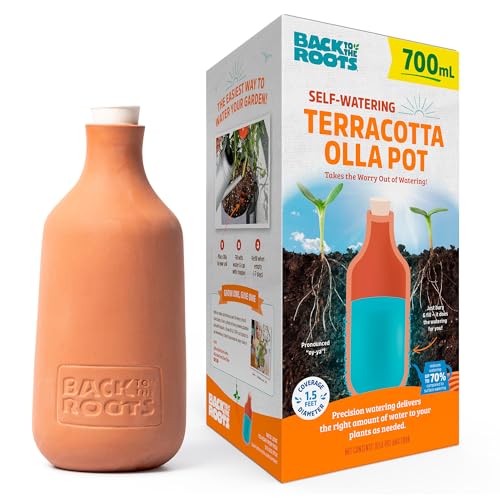
18" Diameter Coverage to support 2 large plants
Consider Size and Material
Opt for pots that are at least 18 inches in diameter to allow ample space for tomato roots to spread out. Larger pots, such as 24 inches or more, provide even better root development. Choose porous materials like terracotta or fabric pots as they allow proper aeration and moisture regulation for healthy plant growth.
Drainage Needs
Ensure your chosen pot has drainage holes at the bottom to prevent waterlogging, which can lead to root rot. Elevate the pot slightly by placing it on bricks or using pot feet to aid drainage. Remember, good drainage is crucial for preventing water-related issues that can harm your tomato plants.
Selecting Tomato Varieties
When choosing tomato varieties for container planting, you want to opt for compact and determinate types that thrive in confined spaces. These varieties are ideal for growing in pots as they don’t require extensive staking or sprawling room. Here’s how you can make the best selection:
Recommended Products
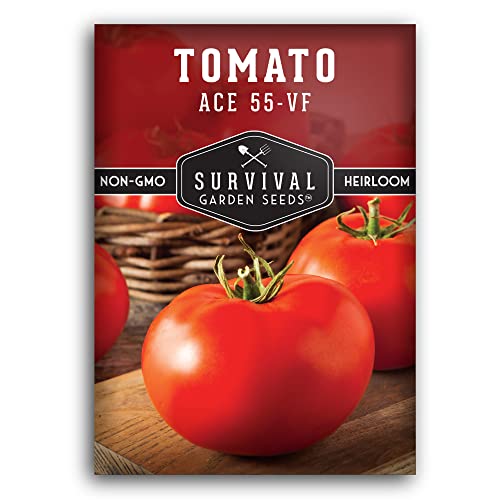
LOW ACID TOMATOES – Enjoy mild, low-acid fruits ideal for those sensitive to acidity; perfect for fresh eating, canning, or making smooth tomato sauces without bitterness

PERFECT FOR SMALL SPACES – Tiny Tim’s compact plants thrive on patios, balconies, or sunny windowsills, giving you fresh cherry tomatoes even without a traditional vegetable garden plot

Best Varieties for Containers
Look for tomato cultivars specifically bred for container gardening. Some popular options include Tiny Tim, Patio Princess, and Tumbling Tom. These varieties are well-suited to pot culture due to their manageable size and robust growth habits. They typically produce an abundance of fruit without overwhelming your limited space.
Determining Sunlight and Climate Adaptability
Ensure your chosen tomato variety matches the sunlight conditions of your location. Most tomatoes require at least 6-8 hours of direct sunlight daily to thrive. Consider your climate as well; some tomatoes are better suited to hot climates, while others tolerate cooler temperatures. Research the adaptability of different varieties to ensure successful growth in your specific environment.
Soil and Fertilizer Requirements
When planting tomatoes in pots, the right soil mix and fertilizers are crucial for healthy plant growth. Here’s what you need to know:
Choosing the Right Soil Mix
For container-grown tomatoes, opt for a well-draining soil mix to prevent waterlogging, which can lead to root rot. A suitable mix includes equal parts of peat moss, perlite, and vermiculite. This blend provides good aeration while retaining moisture essential for tomato plants.
Using Organic Fertilizers
To nourish your potted tomato plants naturally, consider using organic fertilizers like compost or aged manure. These options enrich the soil with essential nutrients without the risk of chemical buildup that may harm your plants over time. Apply the organic fertilizer according to package instructions for optimal results.
Planting Techniques
When it comes to planting tomatoes in pots, there are specific techniques you should follow to ensure successful growth. Whether you’re starting from seeds indoors or transplanting seedlings into pots, these steps will help you cultivate healthy tomato plants.
Seed Starting Indoors
When starting your tomato seeds indoors, here’s a simple guide to get you going:
- Select Quality Seeds: Choose reputable seed suppliers for high-quality tomato seeds.
- Use Seed Trays: Fill seed trays with a moist seed-starting mix.
- Plant Seeds: Sow seeds at the recommended depth and spacing.
- Provide Light and Warmth: Place trays in a warm location with ample sunlight or use grow lights.
- Water Carefully: Keep the soil consistently moist but not waterlogged.
- Transplant at the Right Time: Wait until seedlings have developed true leaves before transplanting.
Transplanting to the Pot
After your tomato seedlings are ready, it’s time to transplant them into pots:
- Choose Suitable Pots: Select containers that are at least 14-16 inches deep with drainage holes.
- Prepare Potting Mix: Use well-draining potting mix enriched with compost or aged manure.
- Transplant Carefully: Gently remove seedlings from trays and plant them in the center of each pot.
- Provide Support: Install stakes or cages at planting time for support as tomatoes grow.
- Water Wisely: Water deeply after transplanting and maintain consistent moisture levels as they grow.
Maintenance and Care
Taking care of your tomato plants is crucial to ensure a bountiful harvest. Here are some essential tips for maintaining and caring for your potted tomatoes:
Watering Schedule
Watering your tomato plants correctly is vital for their growth and fruit production. Check the moisture level in the soil regularly by inserting your finger into the potting mix up to the first knuckle. If it feels dry, it’s time to water. Aim to keep the soil consistently moist but not waterlogged. Overwatering can lead to root rot, while underwatering can cause stunted growth and poor fruit development.
Pruning and Support
Pruning your tomato plants helps promote better air circulation, reduce disease risk, and encourage larger fruits. Remove any yellow or diseased leaves as soon as you notice them. Additionally, prune suckers—the small shoots that emerge between the main stem and branches—to focus energy on fruit production rather than foliage growth.
Provide adequate support for your tomato plants as they grow taller. Use stakes or cages to prevent bending or breaking of branches under the weight of developing fruits. Tie the main stem gently to the support structure using soft twine or plant ties to ensure stability without damaging the plant.
Common Pests and Diseases
Paying attention to common pests and diseases is crucial in maintaining the health of your tomato plants. Here are some prevention methods and natural remedies to help you combat potential issues:
- Aphids: These small insects can cause damage by sucking sap from your plants. To prevent aphid infestations, introduce beneficial insects like ladybugs or lacewings into your garden. You can also use a solution of water and dish soap to spray on affected areas as a natural remedy.
- Fungal Diseases: Tomatoes are susceptible to various fungal diseases such as early blight and powdery mildew. To prevent these issues, ensure proper air circulation around your plants by spacing them adequately. Applying a copper fungicide early in the season can also help protect against fungal infections.
- Hornworms: Large green caterpillars known as hornworms can decimate tomato plants quickly. Handpick these pests off your plants when you spot them or introduce natural predators like parasitic wasps that feed on hornworm eggs.
- Blossom End Rot: This condition causes dark, sunken spots on the bottom of tomatoes due to calcium deficiency or inconsistent watering. Prevent blossom end rot by maintaining consistent moisture levels in the soil through regular watering practices.
By being proactive in implementing these preventive measures and utilizing natural remedies, you can safeguard your potted tomato plants against common pests and diseases, ensuring a successful harvest.
Recommended Products
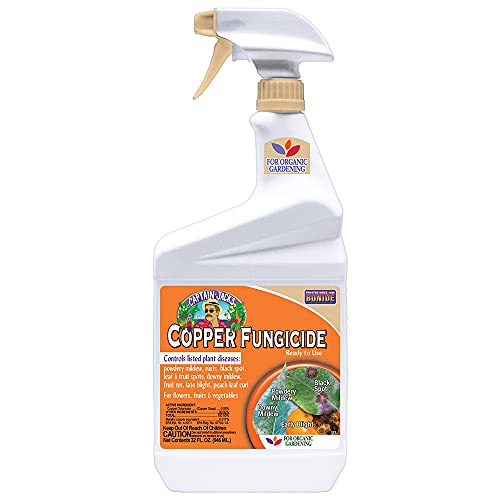
Control fungus and disease in your garden with Captain Jack’s ready-to-use Liquid Copper Fungicide!

Increase yield and promote a healthy harvest in your home garden with Tomato & Blossom Set Spray from Bonide
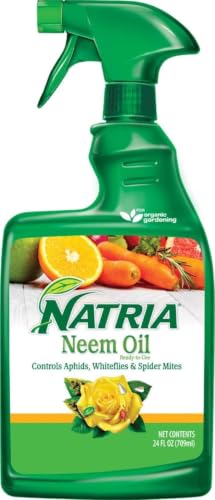
PLANT DISEASE CONTROL: Natria Neem Oil acts as an insecticide and fungicide in one convenient spray; Ready-to-use trigger sprayer requires no mixing
Conclusion
You now have the tools to cultivate thriving tomato plants in pots. Remember, proper drainage and soil quality are key. Regular maintenance, including watering and pruning, will lead to a fruitful harvest. Be aware of common pests and diseases, but fret not – solutions like beneficial insects and good air circulation can help. With these tips in mind, your potted tomatoes are set for success. Happy planting!
Frequently Asked Questions
What are the key aspects to consider when growing tomatoes in pots?
When growing tomatoes in pots, it is crucial to select a suitable pot size (at least 5 gallons), ensure proper drainage holes, use high-quality potting mix, choose compact tomato varieties like determinate types, and place the pots in a sunny location for at least 6-8 hours of sunlight.
How can I prevent root rot when growing tomatoes in pots?
To prevent root rot when growing tomatoes in pots, you should ensure excellent drainage by using pots with drainage holes, avoid overwatering by allowing the top inch of soil to dry out between waterings, and use well-draining potting mix rich in perlite or vermiculite.
What maintenance practices are essential for healthy tomato plants in pots?
Essential maintenance practices for healthy tomato plants in pots include watering consistently to keep the soil evenly moist but not waterlogged, providing support with stakes or cages as the plants grow, pruning suckers regularly to improve air circulation and fruit production.
