

Have you ever struggled to keep your tomato plants thriving and vibrant throughout the growing season? Picture this: you’ve put time and effort into cultivating your garden, only to be met with yellowing leaves and stunted growth in your prized tomato plants. Fret not, as we’re here to guide you on the path to maintaining robust and healthy tomatoes right in your backyard.
Key Takeaways
- Understanding the specific needs of tomato plants is crucial for maintaining their health and promoting robust growth.
- Providing adequate sunlight (6-8 hours daily) and maintaining temperatures between 65-85°F are essential for optimal development.
- Proper watering practices, including deep but infrequent watering to prevent root rot, and moderate humidity levels (around 60-70%) are key for healthy tomatoes.
- Starting with well-prepared soil that is slightly acidic (pH 6.0-7.0) enriched with organic matter for essential nutrients like nitrogen, phosphorus, and potassium is vital for strong root development.
- Being vigilant against common pests like aphids and diseases like blight by using natural predators or preventive fungicides can help protect tomato plants.
- Implementing best practices such as pruning to redirect energy towards fruit production, supporting plants with stakes or cages, adjusting care routines based on seasonal changes, and ensuring consistent watering will promote healthy tomato plants and a fruitful harvest.
Understanding Tomato Plant Needs
To ensure your tomato plants thrive, it’s vital to understand their specific requirements. Here are key factors that play a crucial role in keeping your tomato plants healthy.
Sunlight and Temperature Requirements
Tomato plants love sunlight; they need at least 6-8 hours of direct sunlight daily to grow well. Ensure they’re placed in a spot with ample sunshine to promote robust growth. Additionally, maintain temperatures between 65-85°F (18-29°C) for optimal development.
Watering and Humidity Needs
Proper watering is essential for healthy tomato plants. Water them deeply but infrequently, allowing the soil to dry slightly between waterings to prevent issues like root rot. Moreover, tomatoes prefer moderate humidity levels; aim for around 60-70% humidity in the growing environment.
Preparing the Soil for Tomato Plants
To ensure your tomato plants thrive, it’s crucial to start with well-prepared soil. Here’s how you can set the stage for healthy growth:
Soil Composition and pH
Begin by selecting a sunny spot in your garden with at least 6-8 hours of sunlight daily. Test the soil pH level; tomatoes prefer slightly acidic soil with a pH range between 6.0 and 7.0. You can adjust the pH by adding lime to raise it or sulfur to lower it, ensuring optimal conditions for your plants.
Nutrient Essentials for Healthy Growth
Tomatoes have specific nutrient requirements for robust growth. Prior to planting, enrich the soil with organic matter like compost or well-rotted manure to provide essential nutrients such as nitrogen, phosphorus, and potassium. These nutrients are vital for strong root development and overall plant health.
Common Tomato Plant Problems and Solutions
Dealing with Pests and Diseases
To keep your tomato plants healthy, it’s essential to be vigilant against common pests and diseases that can affect them. One prevalent issue is aphids, tiny insects that feed on plant sap, causing stunted growth and yellowing leaves. To address this problem, you can introduce natural predators like ladybugs or use insecticidal soap to control aphid populations effectively.
Another common threat to tomato plants is blight, a fungal disease that manifests as dark spots on leaves and stems. To combat blight, ensure proper air circulation around your plants by spacing them adequately. Additionally, applying fungicides preventatively can help protect your tomatoes from this destructive disease.
Managing Common Nutrient Deficiencies
Nutrient deficiencies can hinder the growth of your tomato plants and impact fruit production. One frequent deficiency is calcium, which leads to blossom end rot—a condition where the bottoms of tomatoes turn black and rot. To address this issue, incorporate calcium-rich amendments such as gypsum into the soil before planting or use foliar sprays containing calcium during the growing season.
Another vital nutrient for tomatoes is magnesium; its deficiency results in yellowing leaves with green veins—a condition known as chlorosis. You can rectify magnesium deficiency by applying Epsom salt (magnesium sulfate) around the base of your plants or using a diluted magnesium solution as a foliar spray to promote healthy leaf development.
By staying proactive in identifying and addressing these common problems affecting tomato plants, you’ll ensure robust growth and bountiful harvests from your garden.
Recommended Products

3-IN-1 PLANT CARE: 3-In-1 Insect, Disease & Plant Mite Control provides insect control, disease control, and plant mite control all in one; Rainproof protection starts in 4 hours and lasts up to 14 days
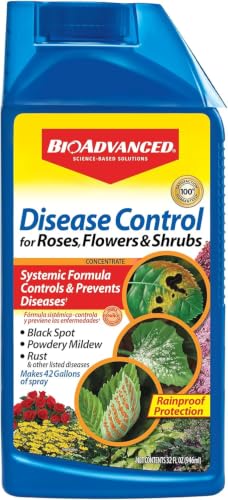
SYSTEMIC PLANT DISEASE CONTROL: Disease Control for Roses, Flowers, and Shrubs is a systemic formula that cures and prevents listed diseases for roses, flowers, shrubs, or even houseplants (treated outside)

🫙 Elegant Mason Jar Hydroponic Garden: This countertop garden uses a simple wick hydroponic system inside a classic mason jar to deliver water and nutrients directly to the plant roots.
Best Practices for Tomato Plant Maintenance
When it comes to maintaining the health of your tomato plants, there are some key practices you should follow. By implementing these strategies, you can ensure that your plants thrive and produce bountiful harvests.
Recommended Products

Package includes 36 pcs tomato cage connectors. Length: 11.8 Inch with 2 Buckles. Specifically crafted for the 7/16" (11mm) plant stakes.
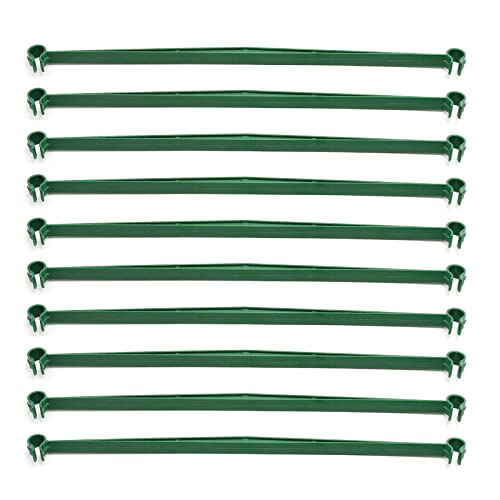
Expandable Stake Arms: Tomato cage connectors support clips are made of sturdy plastic material, strong and lightweight

[VARIATY SHAPE & SIZE STRUCTURE]: You can build 6pcs triangular tomato cage up to 48inch high by the set. Snap-on arms design also makes it possible to create in different heights squares, hexagons or garden trellis depending on the size of plants, to fit garden beds, raised beds, or plant pot, perfect for maximizing growing space and help your plant grow vertically
Pruning and Supporting Tomato Plants
Pruning your tomato plants is essential for promoting healthy growth and maximizing fruit production. You should regularly remove any suckers that develop in the leaf axils to redirect energy towards fruit development. Additionally, supporting your tomato plants with stakes or cages can help prevent sprawling and keep the fruits off the ground, reducing the risk of rotting.
Seasonal Care Tips
To keep your tomato plants healthy throughout the growing season, it’s crucial to adjust your care routine based on the time of year. During the summer months, make sure to water consistently to prevent blossom end rot and maintain even soil moisture levels. In cooler weather, protect your plants from frost by covering them with a row cover or bringing them indoors.
By following these best practices for tomato plant maintenance, you can set yourself up for success and enjoy a fruitful harvest of delicious tomatoes.
Conclusion
Ensuring your tomato plants thrive involves careful soil preparation, nutrient management, and proactive pest control. By maintaining the right soil composition and pH level, enriching with organic matter, and addressing common issues promptly, you set the stage for healthy growth. Remember to manage nutrient deficiencies and implement best practices like pruning, supporting the plants, and providing seasonal care tips. With these strategies in place, you’ll be on your way to a flourishing tomato garden and a rewarding harvest. Happy gardening!
Frequently Asked Questions
Q: Why is soil preparation important for growing tomato plants?
A: Soil preparation ensures the right composition and pH level for optimal plant growth, helps enrich the soil with essential nutrients, and promotes healthy root development.
Q: How can I address common pests and diseases affecting tomato plants?
A: Monitor plants regularly for signs of pests or diseases, use organic pest control methods like neem oil or diatomaceous earth, and practice crop rotation to reduce disease pressure.
Q: What should I do to manage nutrient deficiencies in tomato plants?
A: Conduct soil tests to identify deficiencies, supplement with organic fertilizers rich in necessary nutrients like nitrogen, phosphorus, and potassium as needed.
Q: What are the best practices for maintaining tomato plants?
A: Regularly prune tomatoes to promote airflow and prevent disease, provide support with stakes or cages as they grow taller, and water consistently while avoiding overhead watering to prevent fungal issues.
Q: Can you provide seasonal care tips for optimal tomato plant growth?
A: In spring, harden off seedlings before transplanting outdoors; during summer, mulch around plants to retain moisture; in fall, remove any diseased foliage promptly to prevent overwintering pathogens.
