

Ever wondered why your tomato plants aren’t thriving as expected? Picture this: you’ve diligently planted your tomatoes, eagerly awaiting a bountiful harvest, only to be met with lackluster growth. The size of the pot your tomato plant is in can make all the difference between a flourishing vine and a struggling one.
Have you ever pondered, “How big of a pot does my tomato plant really need?” Understanding the right pot size is crucial for providing ample space for root development and nutrient uptake. In this article, we’ll guide you through the importance of choosing the correct pot size for your tomato plants. By the end, you’ll have the knowledge needed to ensure your tomatoes reach their full potential.
Key Takeaways
- The size of the pot for tomato plants is crucial for their growth and productivity.
- Factors like root growth, plant type, and size influence the ideal pot size selection.
- Recommended pot sizes vary based on tomato species, with small varieties needing at least 1 gallon pots and larger varieties requiring 15 gallons or more.
- Environmental factors such as climate, humidity, and sunlight exposure should be considered when choosing a pot size.
- Different pot materials like plastic, terracotta, and fabric grow bags have varying pros and cons that impact plant health.
- Care tips for growing tomatoes in pots include maintaining proper watering consistency, using well-draining soil mix rich in organic matter, and fertilizing appropriately for optimal growth.
Factors Influencing Pot Size for Tomato Plants
When considering the pot size for your tomato plants, several factors come into play to ensure optimal growth and productivity. Let’s explore these key considerations to help you make informed decisions.
Root Growth Considerations
The root system of a tomato plant plays a crucial role in its overall health and development. To support healthy root growth, choose a pot that provides ample space for the roots to spread out. A larger pot allows for better root expansion, enabling the plant to access nutrients more efficiently. Ensure that the pot has sufficient drainage holes to prevent waterlogging, which can hinder root growth.
Plant Type and Size
Different varieties of tomato plants exhibit varying growth habits and sizes. Determinate tomato plants, which grow to a specific height and produce fruit within a defined period, require smaller pots compared to indeterminate varieties that continue growing throughout the season. Consider the mature size of the tomato plant when selecting a pot size to accommodate its growth adequately. Larger plants need bigger pots to support their extensive root systems and above-ground foliage.
By taking into account these factors influencing pot size for tomato plants, you can create an environment conducive to robust growth and bountiful harvests. Choose wisely based on your specific plant variety and gardening goals to set your tomatoes up for success.
Recommended Pot Sizes for Tomato Plants
When selecting the right pot size for your tomato plants, it’s crucial to consider the specific needs of each plant variety. By understanding how different tomato species require varying amounts of space for optimal growth, you can ensure a thriving garden. Here are some guidelines to help you determine the ideal pot size based on the type of tomato plant you’re cultivating:
Recommended Products

Sturdy & Garden-Ready Material: Made of 300g of thickened nonwoven fabric, these pots are moderately permeable, environmentally friendly, and BPA-free; Ideal for raised beds, patios, and outdoor gardens
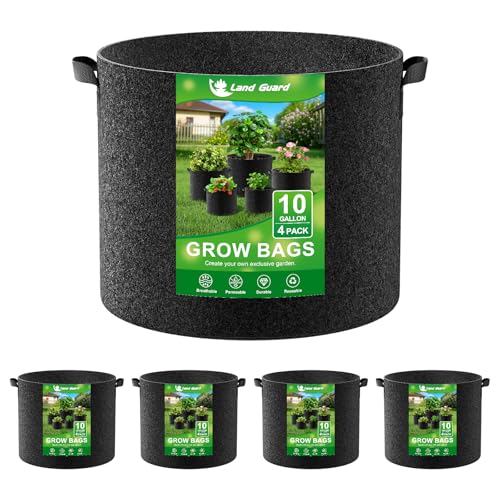
Sturdy Fabric Material: Our Non-Woven fabric grow bags are crafted using high-strength weaving technology, which allows the planting bags to remain lightweight while possessing an impressive ability to bear weight.

Multiple Size Options: Available in 11 different capacities ranging from 1 to 100 US gallons, providing versatile solutions for growing everything from small herbs to large vegetables and fruit trees, allowing you to choose the perfect size for your specific gardening needs
Determining Pot Size By Tomato Species
- Small Varieties (e.g., Cherry Tomatoes):
- For compact or dwarf tomato varieties like cherry tomatoes, opt for pots that are at least 1 gallon in size.
- Medium Varieties (e.g., Roma Tomatoes):
- Medium-sized tomato plants such as Roma tomatoes typically thrive in pots ranging from 5 to 10 gallons.
- Large Varieties (e.g., Beefsteak Tomatoes):
- Larger tomato plants like Beefsteak tomatoes require more space for root development and do best in pots that are 15 gallons or larger.
By tailoring the pot size to match the specific requirements of your tomato species, you provide adequate room for root growth and support healthy plant development.
Adjustments for Environmental Factors
Consider environmental factors that may impact your choice of pot size and overall plant health:
- Climate: In hot climates, larger pots with greater soil volume help regulate temperature fluctuations and prevent roots from overheating.
- Humidity: High humidity levels can affect water retention in smaller pots, so choose larger containers to maintain moisture levels.
- Sunlight: If your tomato plants receive ample sunlight exposure, they may benefit from larger pots that offer more stability against wind and sun stress.
Adapting your pot size based on these environmental considerations ensures that your tomato plants have the best chance at flourishing under varying conditions.
Choosing the Right Material for Tomato Pots
When selecting pots for your tomato plants, it’s crucial to consider the type of material that best suits your needs. Here’s a breakdown of the pros and cons of different pot materials as well as their impact on plant health.
Recommended Products

VISUALIZED CLEAR NURSERY POTS: The Clear Nursery Pots features a mirror-like transparency, facilitating easy monitoring of water levels and soil humidity. Adjust watering frequency promptly and scrutinize every seedling detail, including leaves, stems, and overall shape. Quickly assess whether a larger Nursery Pots is needed.
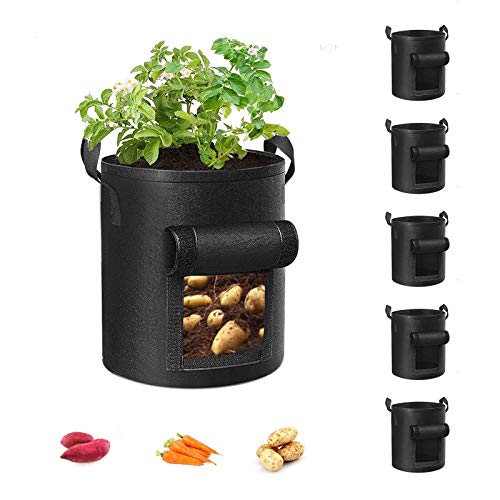
Durable Material: Made of 300g thick non-woven fabric that can be reused for more than 3 years.
Pros and Cons of Different Pot Materials
Plastic Pots:
- Pros: Lightweight, affordable, retain moisture well.
- Cons: Prone to cracking over time, may not provide adequate insulation in extreme temperatures.
Terracotta Pots:
- Pros: Provide good insulation, aesthetically pleasing.
- Cons: Heavy to move around, can dry out quickly due to porous nature.
Fabric Grow Bags:
- Pros: Excellent drainage, air pruning promotes healthier root systems.
- Cons: Need more frequent watering compared to traditional pots.
Impact of Material on Plant Health
The choice of pot material can significantly affect the health and growth of your tomato plants. For instance:
- Plastic pots are lightweight and easy to move but may require more frequent watering due to their tendency to retain heat.
- Terracotta pots offer good insulation but can be heavy and prone to drying out quickly.
- Fabric grow bags promote air pruning which leads to healthier root development but necessitate vigilant watering schedules.
By considering these factors and evaluating how each type of pot material aligns with your gardening preferences and plant care routine, you can make an informed decision that will benefit the health and vitality of your tomato plants.
Care Tips for Tomato Plants in Pots
Growing tomatoes in pots requires attention to detail to ensure your plants thrive. Here are some essential care tips to help you nurture healthy tomato plants in containers:
Watering Requirements
When it comes to watering your tomato plants in pots, consistency is key. You should aim to keep the soil consistently moist but not waterlogged. A good practice is to check the top inch of soil; if it feels dry to the touch, it’s time to water. Remember that potted plants may need more frequent watering than those grown in the ground due to faster evaporation.
Soil and Fertilization Needs
Choosing the right soil mix is crucial for the success of your tomato plants in pots. Opt for a well-draining potting mix rich in organic matter. Avoid using garden soil, as it can compact in containers, hindering root growth and drainage.
Fertilizing your tomato plants regularly is essential for ensuring they receive adequate nutrients for robust growth and fruit production. Consider using a balanced fertilizer or one specifically formulated for tomatoes, following the instructions on the label. Over-fertilizing can lead to excess foliage growth at the expense of fruit development.
By paying attention to watering practices and providing suitable soil and fertilization, you can enjoy a bountiful harvest from your container-grown tomato plants.
Conclusion
Selecting the right pot size for your tomato plants is crucial for their growth and productivity. Tailoring pot sizes to different tomato species and environmental conditions ensures healthy development. Choosing the appropriate pot material, whether plastic, terracotta, or fabric grow bags, impacts watering needs and root health. By following care tips like proper watering, soil selection, and fertilization, you can nurture robust tomato plants in containers. Supporting the well-being of your container-grown tomatoes through these practices will lead to a successful harvest.
Frequently Asked Questions
What is the importance of selecting the right pot size for tomato plants?
Choosing the correct pot size is crucial for tomato plants to thrive. It affects root development, plant growth, and overall productivity.
How do I determine the appropriate pot size for my tomato plant?
Select a pot that is at least 18 inches deep and wide to accommodate the root system adequately. Larger varieties may require even bigger pots.
What are the different types of materials used for pots, and how do they affect tomato plants?
Common pot materials include plastic, terracotta, and fabric grow bags. Each material has its pros and cons in terms of water retention, insulation, and root health.
What care tips should I follow for healthy tomato plants in containers?
Ensure proper watering by keeping the soil consistently moist but not waterlogged. Use well-draining soil mixtures rich in nutrients and fertilize regularly during the growing season.
