

Have you ever wondered why your tomato plants are not thriving as they should? Picture this: you diligently care for your garden, but despite your efforts, the tomato plants just don’t seem to be flourishing. Could it be that they’re getting too much water or not enough?
In this article, we’ll guide you through the subtle signs that indicate whether your tomato plant is over or underwatered. By understanding these key indicators, you’ll be equipped to adjust your watering routine accordingly and ensure that your tomato plants are happy and healthy. Let’s explore together how to decipher what your tomato plants are trying to tell you about their hydration needs.
Key Takeaways
- Identifying Water Issues: Recognize signs of overwatering (yellowing leaves, mold growth, slow growth) and underwatering (drooping leaves, stunted growth).
- Managing Water Levels: Adjust watering techniques based on soil moisture levels (check with finger test) and weather conditions to prevent over or underwatering.
- Tools for Monitoring: Utilize moisture meters for accurate soil assessment or DIY methods like the finger test to gauge soil moisture levels effectively.
Identifying Water Issues in Tomato Plants
Recognizing the signs of overwatering and underwatering in your tomato plants is crucial to ensure they thrive. By paying attention to these indicators, you can adjust your watering practices accordingly.
Signs of Overwatering
Overwatering can be detrimental to tomato plants as it leads to root rot and other issues. Here are some common signs that your tomato plant is being overwatered:
- Yellowing leaves that are wilting or dropping prematurely.
- Mold growth on the soil surface.
- Soft, mushy stems or a foul smell coming from the roots.
- Slow growth and lack of fruit production despite adequate sunlight.
Signs of Underwatering
On the other hand, underwatering can also harm tomato plants by depriving them of essential moisture. Look out for these signs that indicate your tomato plant needs more water:
- Drooping or wilted leaves, especially during the hottest part of the day.
- Dry, brittle leaves that may turn brown and crispy at the edges.
- Stunted growth and shriveled fruits even with sufficient sunlight.
- Soil pulling away from the pot’s edges due to lack of moisture.
By being observant and responsive to these signs, you can ensure your tomato plants receive the right amount of water for optimal growth and health.
Managing Water Levels for Healthy Tomato Growth
To ensure your tomato plants thrive, it’s crucial to manage their water levels effectively. Here are some tips on how to adjust the watering practices based on the plant’s needs.
Recommended Products

Trusted Since 2015: Become one of the many plant lovers who rely on the proven accuracy of XLUX. Established in 2015, our soil moisture meter has earned over 60,000+ verified ratings for its consistent performance. While many many newer brands come and go, we provide the long-term reliability and quality that American households have trusted for over a decade.

Accurate Soil Moisture Detection: The XLUX Soil Moisture Meter can tell you if the soil deep inside your pot or garden is dry, moist or wet; whereas your eyes and fingers can only determine the moisture level of the soil surface. The probe is 5.5 inches (14 cm) longer than regular styles, allowing it to measure the soil moisture at the bottom of larger and deeper flower pots.

【4 in 1 function】This is a 4-in-1 multifunctional soil tester.Our soil tester fastly to measure soil moisture, pH, temperature and sunlight to help you take better care of flowers and plants.You can know when you need to water your soil by measuring moisture and pH & Temperature value of the soil and sunlight level of plants with it.
Correct Watering Techniques
When watering your tomato plants, aim for consistency but be mindful not to overdo it. Ensure the soil is moist but not waterlogged. A good practice is to check the moisture level by inserting your finger into the soil up to about an inch deep. If it feels dry at this depth, it’s time to water.
Adjusting Water Based on Weather Conditions
During hot and dry weather, your tomato plants will likely need more frequent watering due to evaporation. Conversely, in cooler or rainy conditions, you may need to reduce the frequency of watering as the soil retains moisture better. Monitor the weather forecast and adjust your watering schedule accordingly to prevent overwatering or underwatering issues.
By following these simple guidelines and staying attuned to your tomato plants’ hydration needs, you can ensure they receive just the right amount of water for healthy growth and bountiful harvests.
Tools and Tips for Monitoring Water Usage
To ensure your tomato plants are receiving the right amount of water, you can utilize various tools and methods to monitor their hydration levels effectively.
Recommended Products

Kindly NOTE: This soil tester can not be applied to test pH value of any other liquid. If the soil is too dry the indicator will not move, and water it before testing.
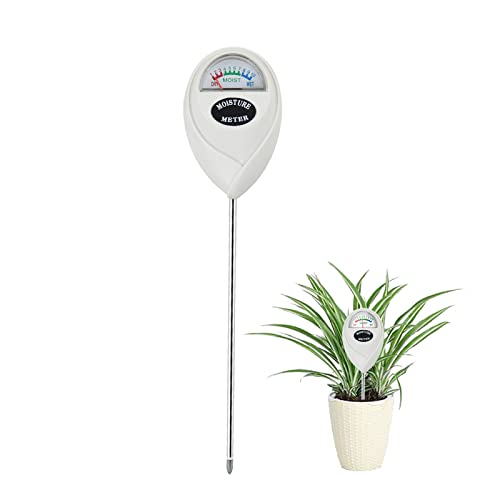
【SAVE YOUR PLANTS】: Over watering can cause problems with your plants or even kill them. This soil moisture meter helps you know the soil is dry, moist or wet.No more over watering!
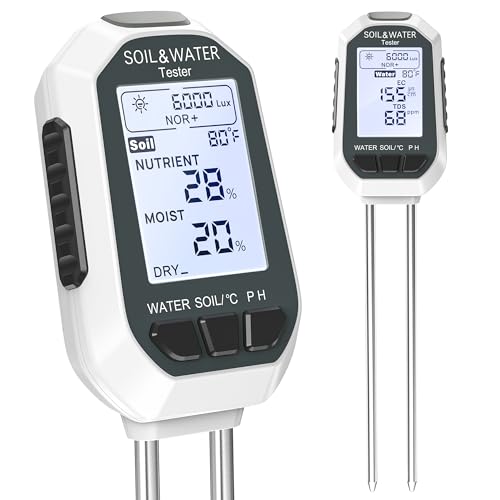
【7-in-1 Features】This is a 7-in-1 multi-function soil tester. Our soil tester quickly measures soil moisture, pH, temperature and light intensity, and its fertility function helps you take better care of your plants. With this device you can measure the soil moisture, pH, temperature and light intensity for your plants and with the EC and TDS functions you will know when it is time to water the soil.
Using Moisture Meters
Moisture meters are handy devices that can help you accurately assess the moisture content in the soil around your tomato plants. These tools provide instant feedback on whether the soil is too dry or too wet, allowing you to adjust your watering routine accordingly. By inserting the probe into the soil near the plant’s roots, you can get a quick reading of the moisture levels without guesswork.
DIY Methods to Check Soil Moisture
If you prefer a more hands-on approach, there are simple do-it-yourself (DIY) techniques you can use to check the soil moisture without specialized tools. One common method is the finger test: stick your finger about an inch into the soil near your tomato plant. If it feels dry at that depth, it may be time to water. Another DIY option is using a wooden stick or skewer inserted into the soil—pull it out after a few minutes; if it comes out damp, hold off on watering until it dries out a bit.
By incorporating these monitoring tools and tips into your gardening routine, you’ll be better equipped to keep track of your tomato plants’ water needs and ensure they thrive with just the right amount of hydration.
Conclusion
You now have the tools and knowledge to keep your tomato plants happy and thriving. By recognizing the signs of overwatering and underwatering, using moisture meters or simple DIY methods, you can ensure your plants receive just the right amount of water they need. Remember, healthy tomato plants mean bountiful harvests for you to enjoy! Happy gardening!
Frequently Asked Questions
How do I recognize signs of overwatering in tomato plants?
Overwatering in tomato plants can be identified by yellowing leaves, wilting, and root rot. If you notice these symptoms, reduce watering frequency to prevent further damage.
What are the indicators of underwatering in tomato plants?
Tomato plants show signs of underwatering through drooping leaves, dry soil, and slow growth. Water your plants thoroughly when the soil feels dry to the touch.
What tools can help me monitor water levels for my tomato plants?
Tools like moisture meters, wooden sticks, and the finger test are effective for monitoring soil moisture levels. Use these tools regularly to ensure your tomato plants receive adequate water without over or under-watering them.
How often should I adjust my watering routine based on monitoring results?
Adjust your watering routine based on monitoring results as needed. It’s essential to check your tomato plants regularly and adapt watering frequency according to their hydration needs for optimal growth and productivity.
